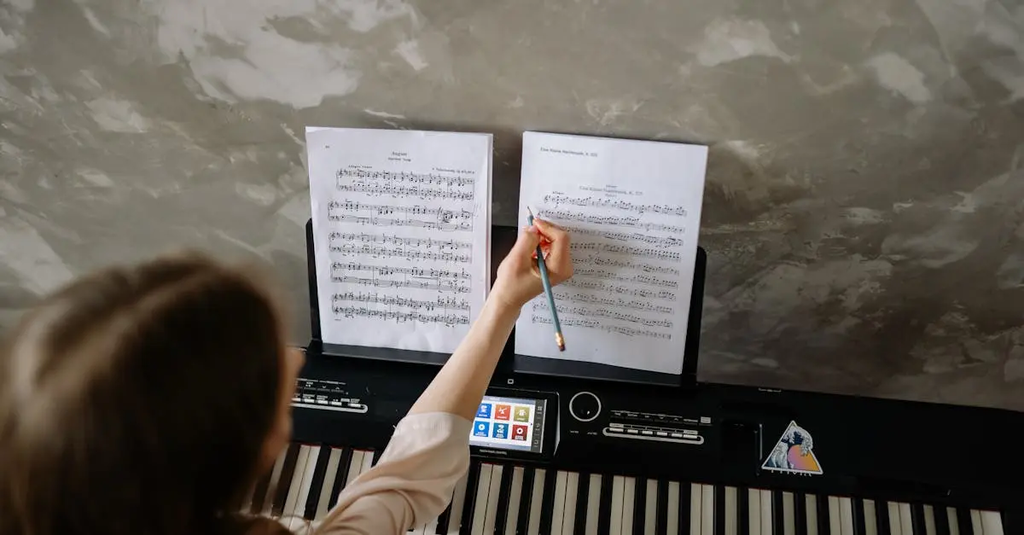
Instruments and families in performing arts and music refer to the categorization of musical instruments based on their sound production methods and characteristics. The main families include strings (like violin and guitar), woodwinds (such as flute and clarinet), brass (like trumpet and trombone), percussion (such as drums and xylophone), and keyboards (like piano). Understanding these families helps musicians and audiences appreciate the diversity and roles of instruments in ensembles and performances.
Instruments & Families+50
Instruments and families in performing arts and music refer to the categorization of musical instruments based on their sound production methods and characteristics. The main families include strings (like violin and guitar), woodwinds (such as flute and clarinet), brass (like trumpet and trombone), percussion (such as drums and xylophone), and keyboards (like piano). Understanding these families helps musicians and audiences appreciate the diversity and roles of instruments in ensembles and performances.

💡 Key Takeaways
- Identify the four main instrument families (strings, woodwinds, brass, percussion) and common examples of each.
- Explain how sound is produced in each family (vibrating strings; vibrating air columns; vibrating membranes; vibrating solid bars).
- Differentiate between pitched and unpitched instruments and name examples from each family.
- Understand how instrument families contribute to an ensemble (melody, harmony, rhythm) and typical roles.
❓ Frequently Asked Questions
What are the main instrument families?
Strings, Woodwinds, Brass, and Percussion are the four primary families in most music education.
How do string instruments produce sound?
Sound comes from vibrating strings, which can be bowed, plucked, or struck.
How do woodwind instruments create sound?
They use an air stream and a vibrating reed or edge to produce sound, as in flute, clarinet, oboe, and bassoon.
How do brass instruments produce sound?
Sound is produced by buzzing the lips into a mouthpiece; pitch changes with embouchure and valves/slides.
What makes percussion instruments unique in pitch?
Percussion includes both pitched (definite pitch) and unpitched (indefinite pitch) instruments, such as timpani vs snare drum.