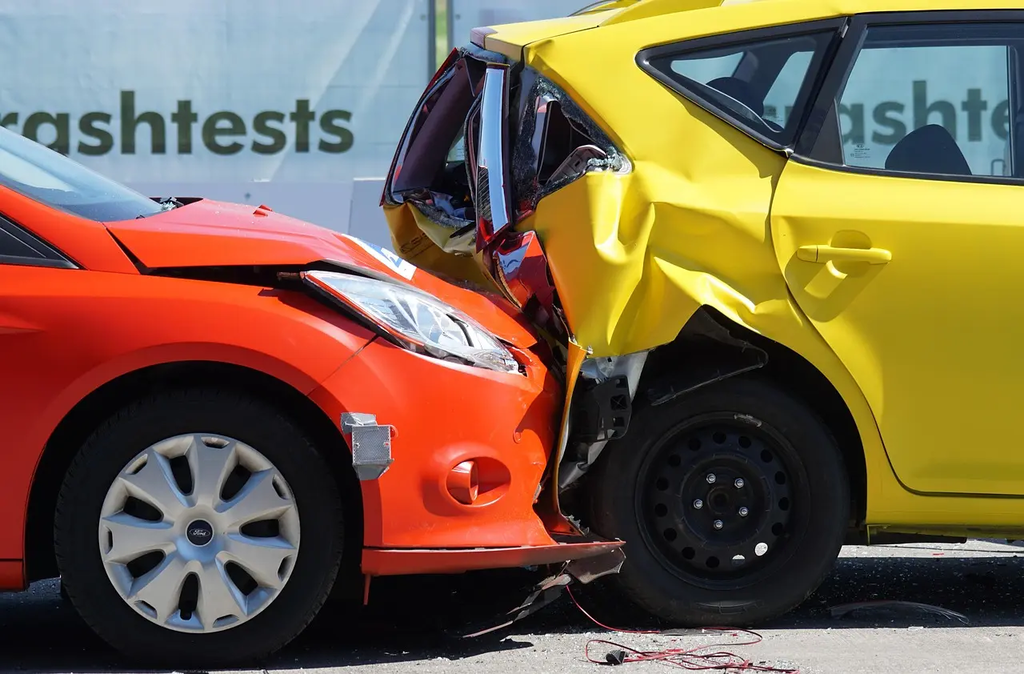
Insurance and liability basics refer to the fundamental principles of protecting individuals or businesses from financial loss due to unexpected events. Insurance is a contract where one party pays premiums to an insurer in exchange for coverage against specific risks. Liability involves legal responsibility for damages or injuries caused to others. Understanding these basics helps individuals and organizations manage risks, comply with legal requirements, and ensure financial security in case of accidents or unforeseen circumstances.
Insurance and Liability Basics
Insurance and liability basics refer to the fundamental principles of protecting individuals or businesses from financial loss due to unexpected events. Insurance is a contract where one party pays premiums to an insurer in exchange for coverage against specific risks. Liability involves legal responsibility for damages or injuries caused to others. Understanding these basics helps individuals and organizations manage risks, comply with legal requirements, and ensure financial security in case of accidents or unforeseen circumstances.
💡 Key Takeaways
- Understand the purpose of insurance and how premiums buy protection against driving-related financial loss.
- Learn what liability means in driving contexts and how liability coverage helps cover injuries or damages you cause.
- Identify the main auto liability coverages (bodily injury and property damage) and how limits and deductibles work.
- Know the basic steps to file a claim after a driving or commuting incident, including collecting evidence and contacting your insurer.
❓ Frequently Asked Questions
What is auto insurance and why is it required for driving?
Auto insurance is a contract where you pay premiums to an insurer to cover risks like injury or property damage. In many places, minimum liability coverage is legally required to drive, helping cover others' costs if you're at fault.
What does liability coverage pay for in a car insurance policy?
Liability covers others’ expenses if you’re at fault—bodily injury and medical costs, plus property damage to others’ cars or property. It does not cover your own injuries or vehicle.
How does liability differ from collision and comprehensive coverage?
Liability pays third-party damages when you’re at fault. Collision covers damage to your own car from crashes; comprehensive covers non-collision losses like theft, vandalism, or weather events.
What is uninsured/underinsured motorist coverage and why consider it?
It protects you if the other driver has no or insufficient liability coverage, helping with your injuries and costs up to your policy limits in many cases.
What steps should you take after a driving accident to protect yourself?
Ensure safety, call for help if needed, exchange information, document the scene, file a police report if required, notify your insurer promptly, avoid admitting fault, and keep records of medical treatments and repairs.