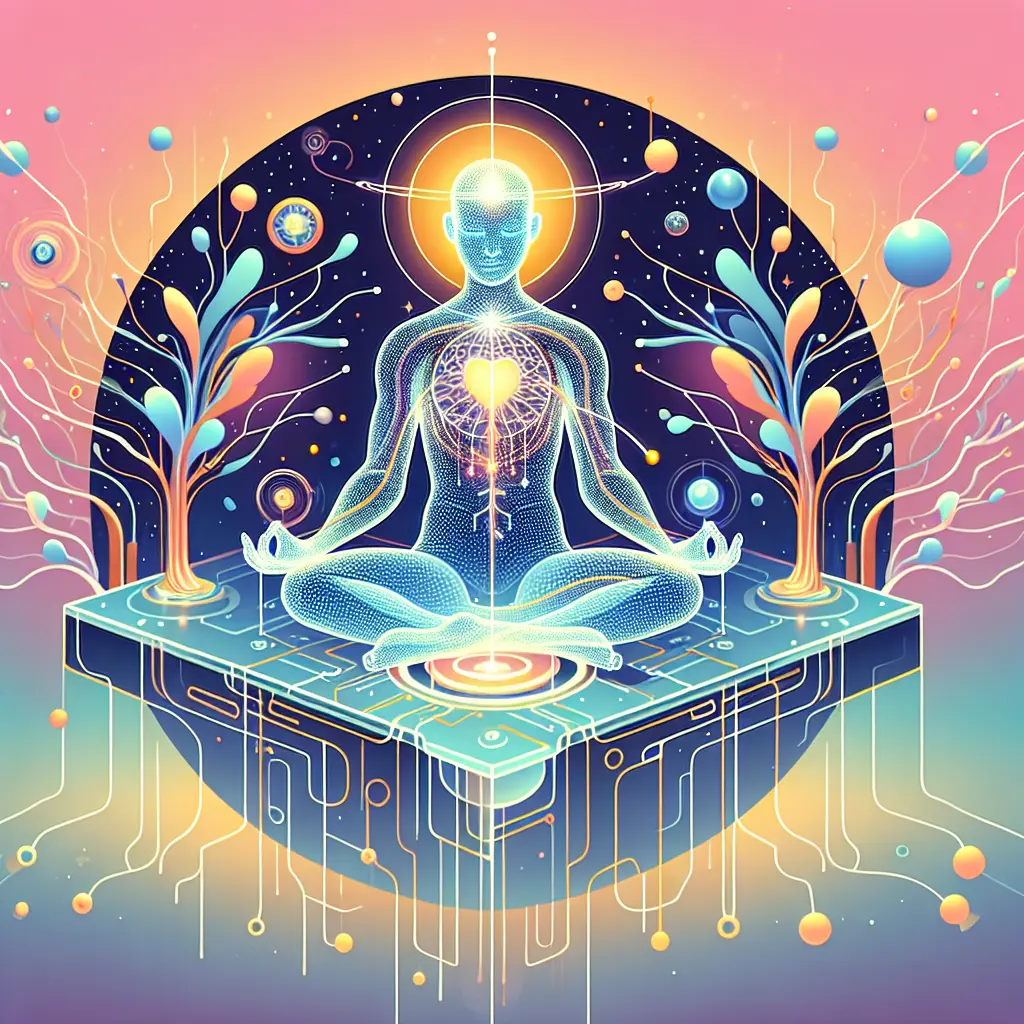
Integrated Self-Mastery refers to the holistic development and harmonization of one’s physical, mental, emotional, and spiritual aspects. It involves consciously understanding, aligning, and optimizing all facets of the self to achieve personal growth, resilience, and fulfillment. By integrating diverse strengths and acknowledging weaknesses, individuals gain greater control over their actions, thoughts, and emotions, leading to balanced decision-making and a purposeful, authentic life.
Integrated Self‑Mastery
Integrated Self-Mastery refers to the holistic development and harmonization of one’s physical, mental, emotional, and spiritual aspects. It involves consciously understanding, aligning, and optimizing all facets of the self to achieve personal growth, resilience, and fulfillment. By integrating diverse strengths and acknowledging weaknesses, individuals gain greater control over their actions, thoughts, and emotions, leading to balanced decision-making and a purposeful, authentic life.
💡 Key Takeaways
- Understand how physical, mental, emotional, and spiritual aspects interconnect to enable self-mastery.
- Learn practical strategies to align habits, mindsets, and actions across all dimensions.
- Develop self-awareness to identify values, triggers, and patterns that drive behavior.
- Build sustainable routines and reflective practices for ongoing holistic growth and resilience.
❓ Frequently Asked Questions
What is Integrated Self-Mastery?
Integrated Self-Mastery is a holistic approach that harmonizes physical, mental, emotional, and spiritual aspects to support personal growth, resilience, and fulfillment.
What are the four facets involved?
Physical health, mental clarity, emotional regulation, and spiritual meaning or purpose—these facets influence one another and benefit from coordinated development.
How can I begin integrating these aspects?
Start with self-awareness, identify priorities for each facet, set small aligned goals, and establish a simple daily routine (movement, reflection, learning, mindfulness).
Why is integration important for resilience and fulfillment?
Alignment across all facets reduces internal conflict, supports consistent habits, and fosters a sense of meaning and well-being.
What practices support ongoing self-mastery?
Regular exercise, journaling, meditation or mindfulness, learning, values clarification, and nurturing supportive relationships.