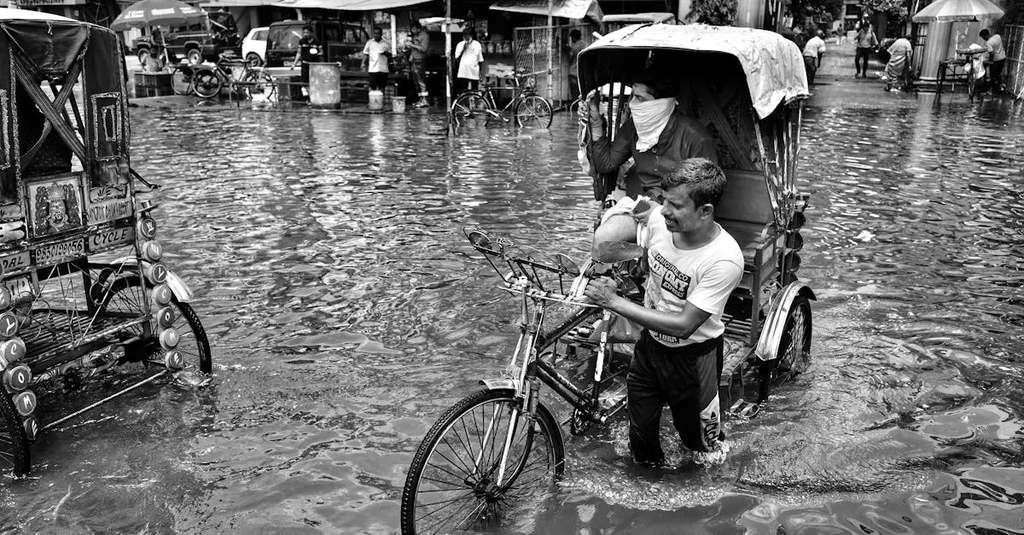
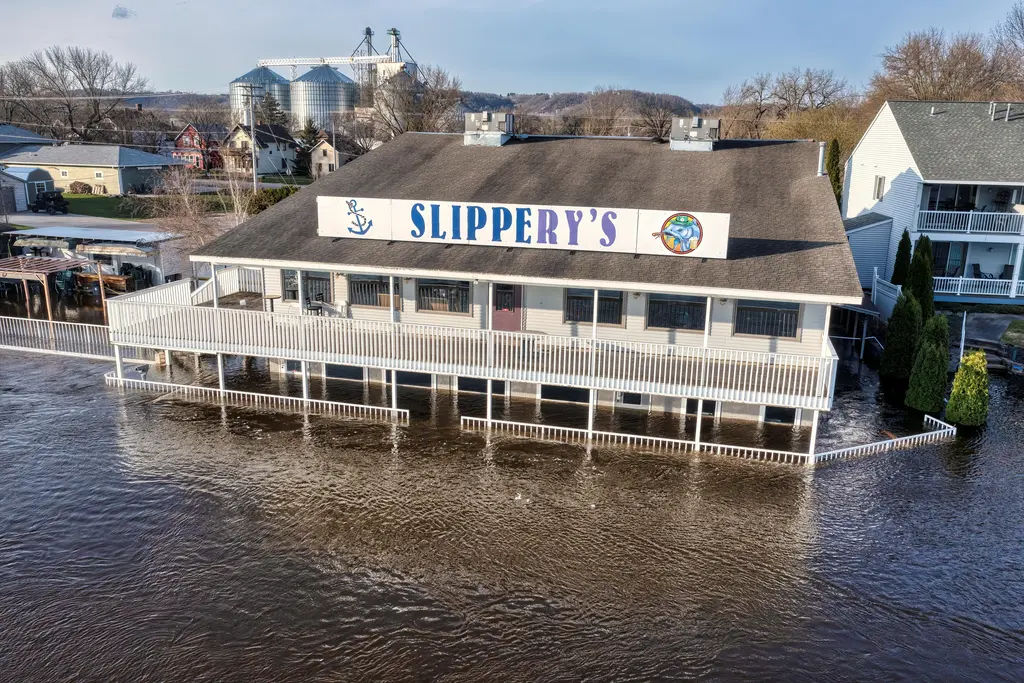
Integrating climate scenarios into local emergency planning involves using scientific projections of future climate conditions, such as increased flooding, heatwaves, or storms, to inform and enhance community preparedness strategies. This approach helps local governments anticipate potential risks, allocate resources effectively, and develop adaptive measures tailored to specific climate threats. Ultimately, it strengthens resilience by ensuring emergency plans remain relevant and effective as environmental conditions change over time.
Integrating Climate Scenarios into Local Emergency Planning
Integrating climate scenarios into local emergency planning involves using scientific projections of future climate conditions, such as increased flooding, heatwaves, or storms, to inform and enhance community preparedness strategies. This approach helps local governments anticipate potential risks, allocate resources effectively, and develop adaptive measures tailored to specific climate threats. Ultimately, it strengthens resilience by ensuring emergency plans remain relevant and effective as environmental conditions change over time.
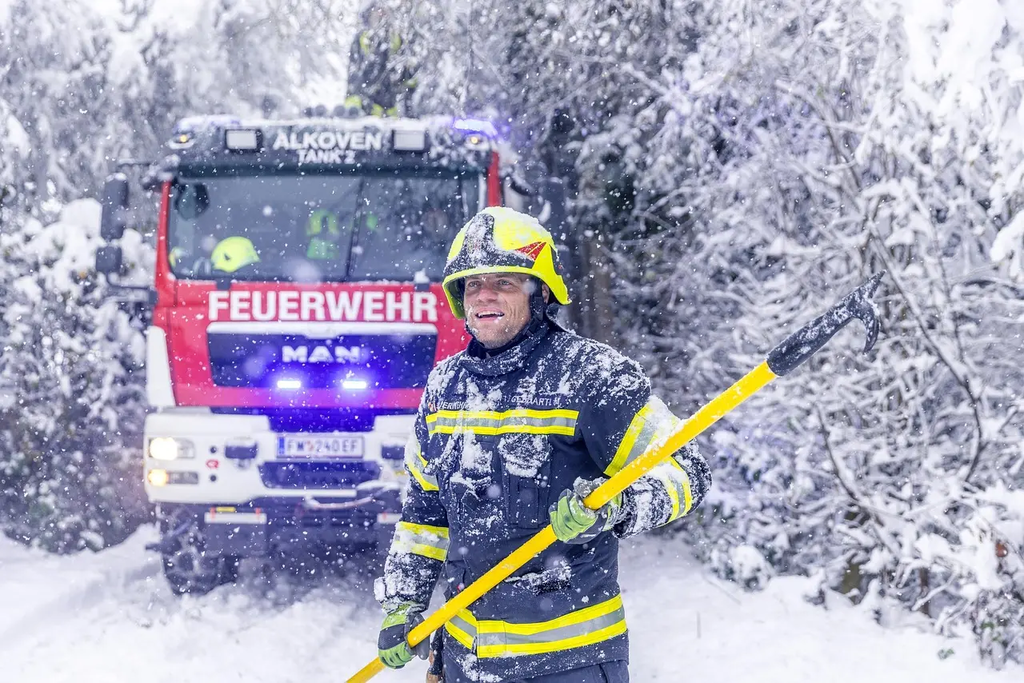
💡 Key Takeaways
- Understand how climate projections (flooding, heatwaves, storms) inform risk assessment and prioritization in local emergency plans.
- Learn to translate climate scenarios into concrete actions (evacuation routes, cooling centers, sheltering plans, infrastructure protection).
- Build flexible, adaptive plans that account for uncertainty and multiple climate pathways.
- Engage stakeholders and communicate scenario-based risks to the community and decision-makers.
❓ Frequently Asked Questions
What is meant by climate scenarios in local emergency planning?
Science-based projections of future climate conditions (e.g., higher temperatures, heavier rainfall) used to anticipate hazards and guide emergency planning.
How can climate scenarios influence specific preparedness actions?
They help identify likely hazards, timing, and severity, informing action thresholds (evacuation, cooling centers), infrastructure upgrades, and resource allocation.
What types of climate risks are commonly analyzed by local governments?
Risks such as flooding, extreme heat, strong storms, drought, and related impacts like wildfire risk or sea-level rise, depending on the region.
What data and tools support climate scenario planning?
Climate models and downscaled projections, historical climate data, scenario narratives, and planning visualization tools used by agencies.
What are important considerations or challenges when using climate scenarios?
Uncertainty in projections, regional differences, clear risk communication, equity considerations, and the need for ongoing updates as conditions evolve.