The integumentary system is the body’s outer covering, consisting mainly of the skin, hair, nails, sweat glands, and oil glands. It acts as a protective barrier against injury, infection, and dehydration. The system also helps regulate body temperature, senses external stimuli, and aids in the production of vitamin D. Overall, it plays a vital role in maintaining overall health and homeostasis in the human body.
Integumentary System Basics
The integumentary system is the body’s outer covering, consisting mainly of the skin, hair, nails, sweat glands, and oil glands. It acts as a protective barrier against injury, infection, and dehydration. The system also helps regulate body temperature, senses external stimuli, and aids in the production of vitamin D. Overall, it plays a vital role in maintaining overall health and homeostasis in the human body.
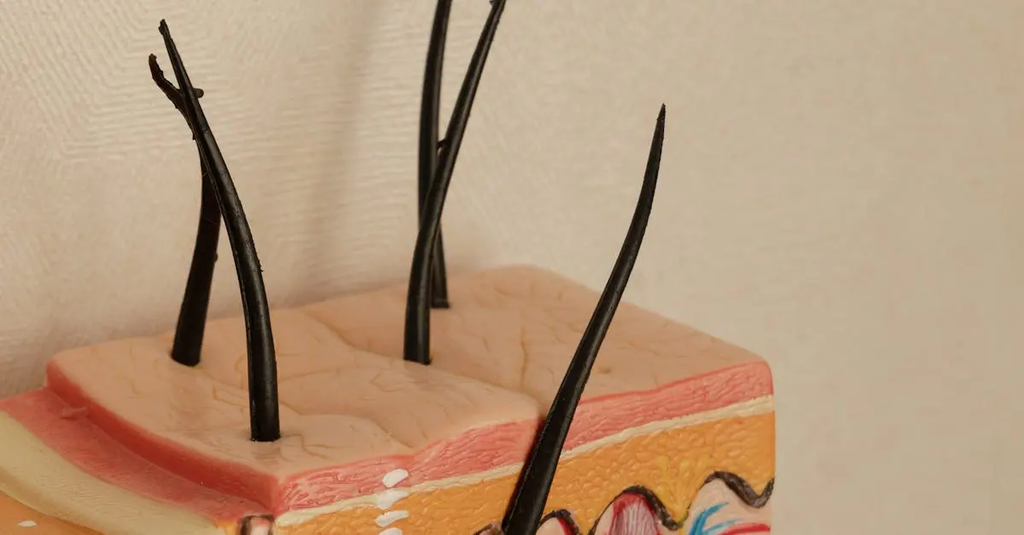
💡 Key Takeaways
- Understand the skin’s main functions: protection, sensation, temperature regulation, and vitamin D synthesis.
- Identify the skin’s three layers—epidermis, dermis, and hypodermis—and summarize their basic roles.
- Recognize key structures of the integumentary system (hair, nails, sweat glands, and sebaceous glands) and their functions.
- Explain the basics of wound healing and how the skin repairs itself after injury.
❓ Frequently Asked Questions
What is the primary function of the integumentary system?
To protect the body from injury and infection, regulate temperature, enable sensation, and aid in vitamin D synthesis.
What are the three main layers of the skin and their roles?
Epidermis: outer protective layer; Dermis: middle connective tissue with nerves, vessels, glands, and hair follicles; Hypodermis (subcutaneous): deeper fat and connective tissue that anchors and insulates.
What are the skin's accessory organs and what do they do?
Hair and nails protect and aid sensation; sebaceous glands secrete oil to lubricate skin and hair; sweat glands help cool the body and excrete wastes.
How does the skin help regulate body temperature?
Sweat glands cool the body as sweat evaporates; blood vessels dilate to release heat or constrict to conserve heat; hair provides insulation (less prominent in humans).
Which cells produce pigment in the epidermis and why is pigment important?
Melanocytes produce melanin, which absorbs UV radiation and protects skin from damage, contributing to skin color.