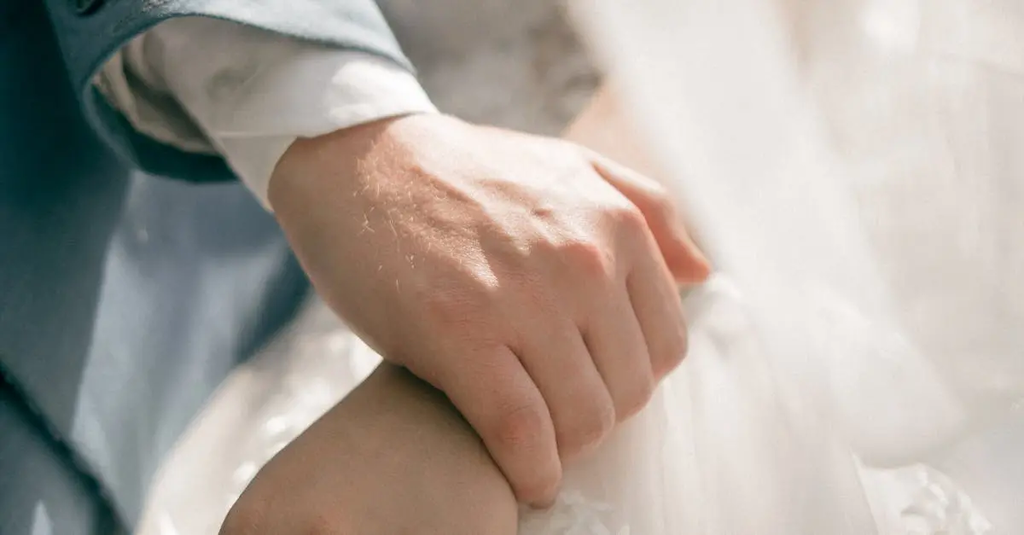
Interfaith and intercultural wedding challenges refer to the difficulties couples face when blending different religious beliefs and cultural traditions in their marriage ceremonies and family lives. These challenges may include disagreements over rituals, language barriers, dietary restrictions, or differing expectations from families. Navigating these issues requires open communication, mutual respect, and creative compromise to honor both backgrounds while building a harmonious and inclusive celebration and future together.
Interfaith and Intercultural Wedding Challenges
Interfaith and intercultural wedding challenges refer to the difficulties couples face when blending different religious beliefs and cultural traditions in their marriage ceremonies and family lives. These challenges may include disagreements over rituals, language barriers, dietary restrictions, or differing expectations from families. Navigating these issues requires open communication, mutual respect, and creative compromise to honor both backgrounds while building a harmonious and inclusive celebration and future together.
💡 Key Takeaways
- Identify common interfaith and intercultural wedding and baby shower challenges (rituals, language, and dietary needs).
- Communicate respectfully and negotiate compromises to blend traditions without alienating family members.
- Plan inclusive games and activities that honor diverse beliefs and cultures while keeping guests engaged.
- Navigate practical logistics (menus, translations, and timing) to ensure smooth celebrations for all guests.
- Set boundaries and develop conflict-resolution strategies to prevent offense and maintain harmony during events.
❓ Frequently Asked Questions
What are interfaith and intercultural weddings?
They blend two or more religious beliefs or cultural traditions in the ceremony and family life, often combining rituals, languages, and dietary practices.
What common challenges might couples face?
Disagreements over rituals, language barriers, dietary restrictions, and differing family expectations or holy days that require accommodation.
How can couples plan a blended ceremony respectfully?
Communicate early, include representatives from both traditions, consider a blended or multi-ceremony format, and clarify vows, attire, and dietary needs with all sides.
How can wedding and baby shower games be inclusive in intercultural/interfaith celebrations?
Choose activities that honor both traditions, avoid stereotypes, include bilingual elements or explanations, and invite guests to share traditions in a respectful way.