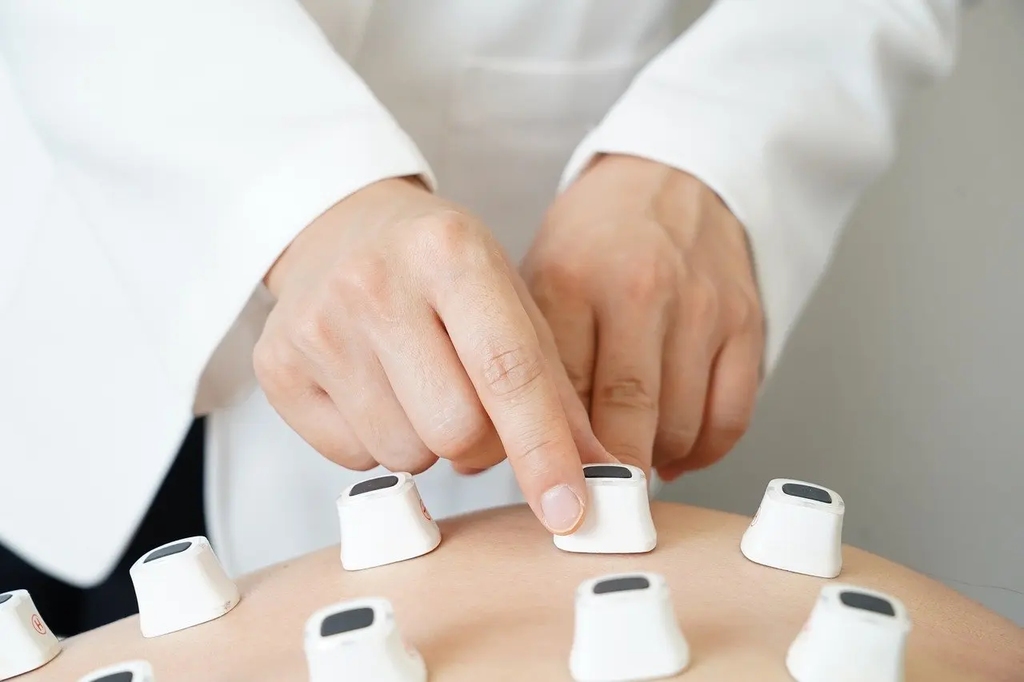
Intermediate First Aid (Healing) refers to a set of medical skills and techniques that go beyond basic first aid but do not require advanced medical training. It involves assessing injuries, managing wounds, stabilizing fractures, controlling bleeding, and providing care for common medical emergencies until professional help arrives. This level of first aid is suitable for individuals with some training, enabling them to offer effective support and promote recovery in various emergency situations.
Intermediate First Aid
Intermediate First Aid (Healing) refers to a set of medical skills and techniques that go beyond basic first aid but do not require advanced medical training. It involves assessing injuries, managing wounds, stabilizing fractures, controlling bleeding, and providing care for common medical emergencies until professional help arrives. This level of first aid is suitable for individuals with some training, enabling them to offer effective support and promote recovery in various emergency situations.
💡 Key Takeaways
- Conduct a safe primary survey to identify life-threatening conditions.
- Perform CPR and, when trained, use an AED for cardiac emergencies.
- Control bleeding, manage wounds, burns, and sprains with proper dressings and support.
- Recognize signs of common emergencies (heart attack, stroke, choking, shock) and respond promptly.
❓ Frequently Asked Questions
What is the first thing you should do when you arrive at an emergency scene?
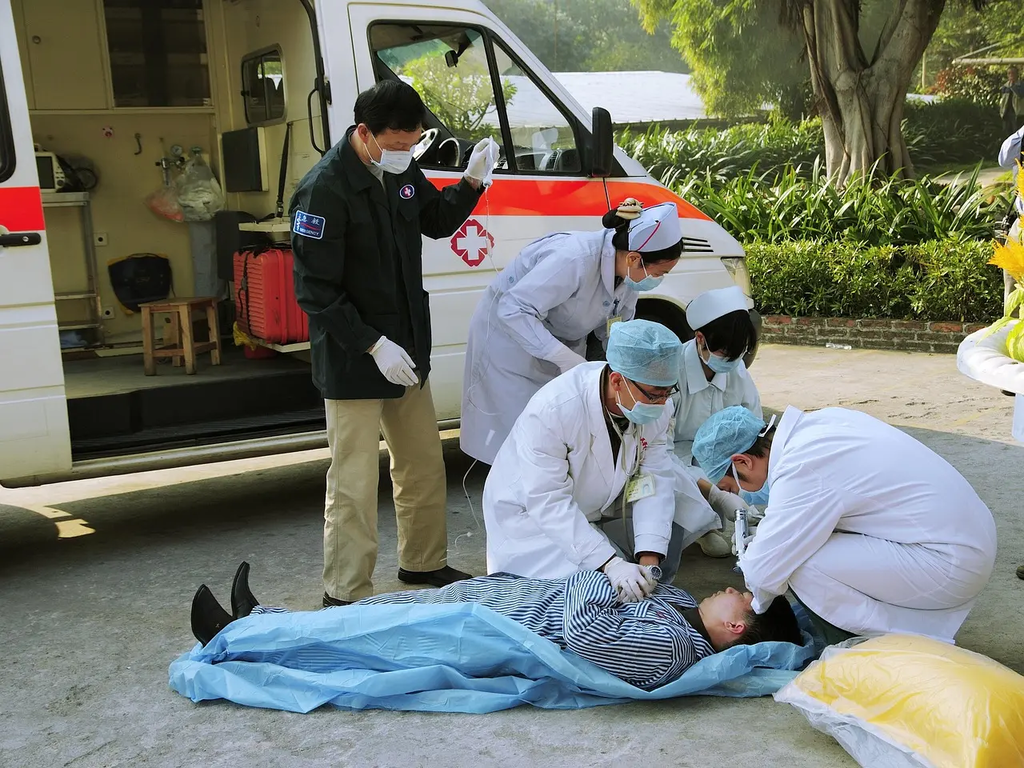
Ensure scene safety, check responsiveness, call for help, and, if trained, begin CPR or use an AED for an unresponsive person who is not breathing normally.
How do you perform CPR on an adult?
Deliver high-quality chest compressions at about 100–120 per minute to a depth of ~2 inches (5 cm) with full chest recoil; after 30 compressions, provide 2 rescue breaths if trained; if not trained or unsure, perform hands-only CPR until help arrives.
How should you control severe bleeding?
Apply direct pressure with a clean cloth or bandage, continue pressing until bleeding slows or stops; if possible, elevate the injury and use a pressure bandage; do not remove objects embedded in wounds; seek help and consider a tourniquet only if trained.
What does FAST stand for in stroke recognition?
Face drooping, Arm weakness, Speech difficulties, Time to call emergency services.
How should you respond to choking in a conscious adult?
If the person cannot speak or breathe, perform up to 5 back blows and 5 abdominal thrusts (Heimlich), repeating until the object is expelled or the person becomes unconscious; if conscious coughing returns, allow them to continue coughing and call for help as needed.