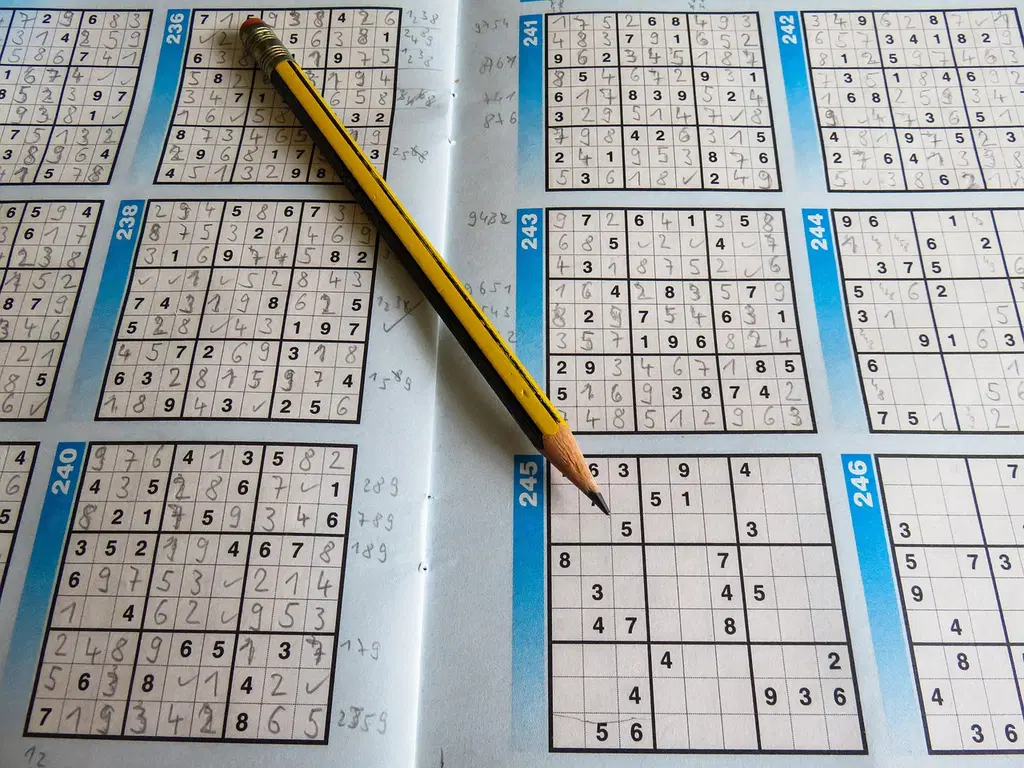
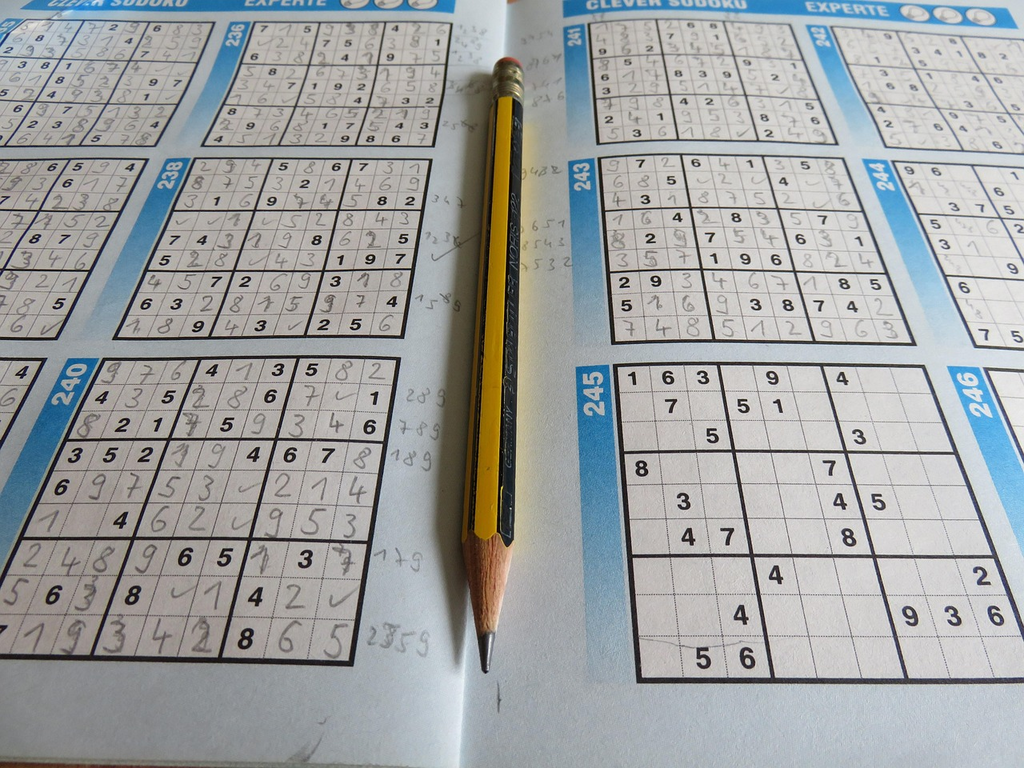
"Intermediate Logic Puzzles (Puzzles for All Ages)" refers to a collection of brainteasers designed for individuals with some experience in solving logic challenges. These puzzles are more complex than beginner-level ones but remain accessible and enjoyable for both children and adults. They help develop critical thinking, reasoning, and problem-solving skills, making them suitable for a wide audience seeking mental stimulation and fun.
Intermediate Logic Puzzles
"Intermediate Logic Puzzles (Puzzles for All Ages)" refers to a collection of brainteasers designed for individuals with some experience in solving logic challenges. These puzzles are more complex than beginner-level ones but remain accessible and enjoyable for both children and adults. They help develop critical thinking, reasoning, and problem-solving skills, making them suitable for a wide audience seeking mental stimulation and fun.
💡 Key Takeaways
- Refine deduction skills to solve intermediate logic puzzles efficiently.
- Learn to organize clues and categories using logic grids and charts.
- Practice sequencing and conditional reasoning (if-then) to deduce relationships.
- Develop strategies to test hypotheses, spot contradictions, and verify solutions.
❓ Frequently Asked Questions
What defines an 'intermediate' logic puzzle and how is it different from easy or hard ones?
Intermediate puzzles have more clues and tighter interdependencies than easy ones, but aren’t as complex as hard puzzles. They require careful deduction, cross-checking, and organized thinking.
What strategies help solve intermediate logic puzzles effectively?
Read clues thoroughly, use a grid to organize possibilities, mark definite placements, apply elimination, and use logical implications (including contrapositive) rather than guessing.
How can I use grids or diagrams to organize clues?
Create a matrix for options, mark impossible choices with Xs, definite placements with checks, and look for rows/columns with a single remaining option to drive deductions.
How do I verify my solution and avoid guessing?
Ensure every clue is satisfied by the final arrangement, backtrack if a clue conflicts, and re-check for overlooked implications or alternative deductions before concluding.