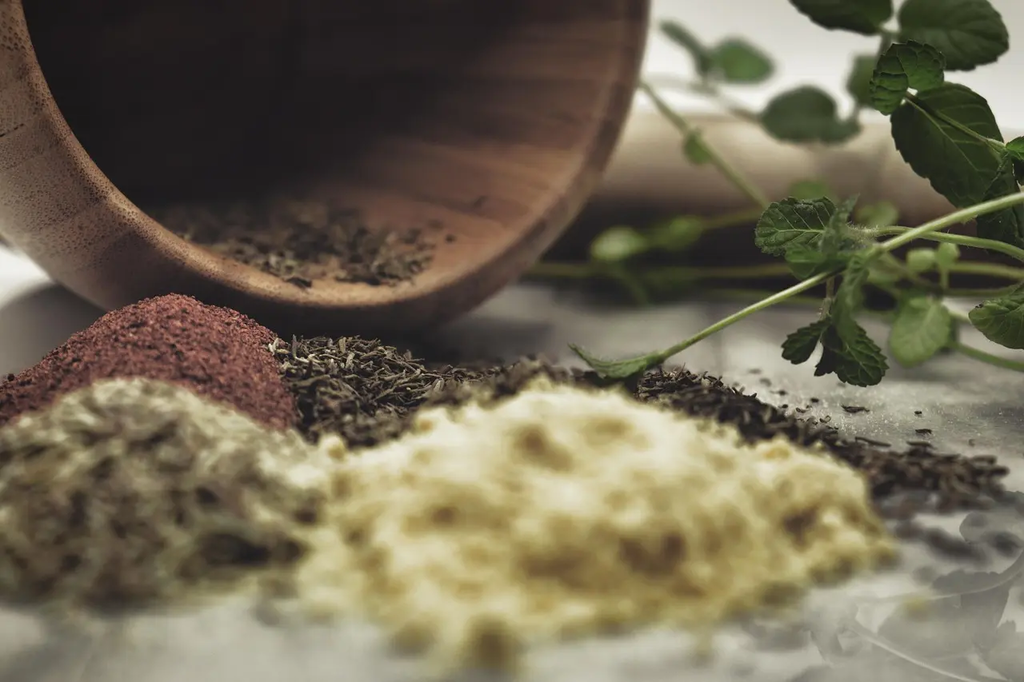
Intermediate Spice Blends refer to seasoning mixtures that go beyond basic salt and pepper, combining several spices and herbs to create more complex and distinctive flavors. These blends are often inspired by global cuisines, such as garam masala from India, za’atar from the Middle East, or herbes de Provence from France. They enhance dishes by adding depth, aroma, and a unique taste profile, reflecting the culinary traditions of different cultures.
Intermediate Spice Blends
Intermediate Spice Blends refer to seasoning mixtures that go beyond basic salt and pepper, combining several spices and herbs to create more complex and distinctive flavors. These blends are often inspired by global cuisines, such as garam masala from India, za’atar from the Middle East, or herbes de Provence from France. They enhance dishes by adding depth, aroma, and a unique taste profile, reflecting the culinary traditions of different cultures.
💡 Key Takeaways
- Balance salty, sweet, sour, and heat to create cohesive spice blends.
- Toast and grind spices to unlock aroma and tailor texture for blends.
- Design regional and hybrid spice blends and tailor their heat for different dishes.
- Store blends properly and scale recipes from small test batches to larger quantities.
❓ Frequently Asked Questions
What makes a spice blend 'intermediate'?
An intermediate blend uses several complementary spices (typically 4–8) and builds layered flavor beyond a basic mix, often with toasted or regional notes.
How do you balance flavors in an intermediate spice blend?
Start with core spices, add supporting notes, and balance heat, earthy tones, acidity, and a touch of sweetness as needed. Taste and adjust as you go.
How should you store spice blends to keep them fresh?
Keep blends in airtight containers, stored in a cool, dark, dry place. Label with the date; ground spices lose potency faster than whole spices.
What are some common intermediate spice blends and where are they used?
Garam masala (curries), Chinese five-spice powder (meats, stir-fries), taco seasoning (tacos, fajitas), and herbs de Provence (roasted vegetables, chicken).