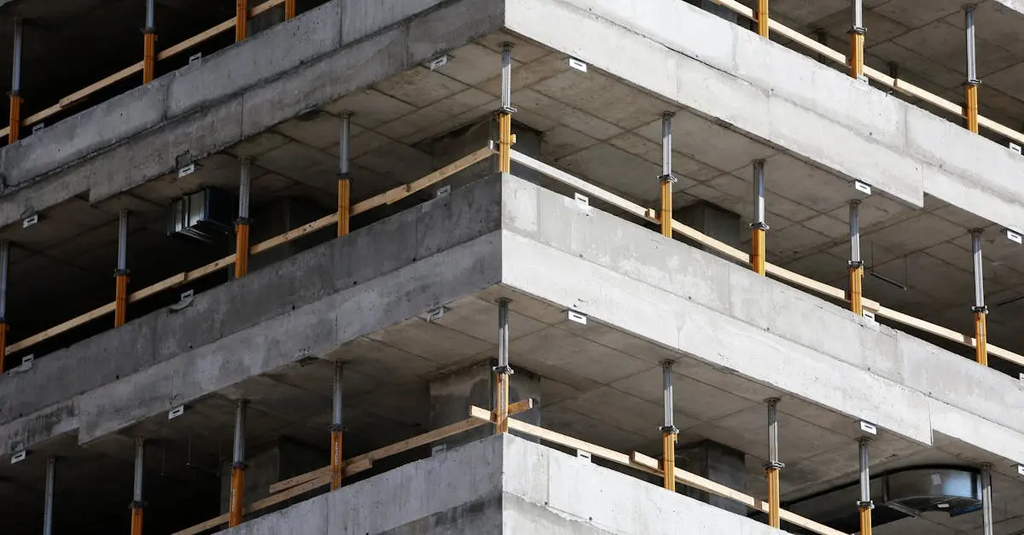
Internal finishes and partitions in construction technology refer to the materials and methods used to complete the interior surfaces and divide spaces within a building. Internal finishes include wall coverings, flooring, ceilings, and decorative treatments that enhance aesthetics and functionality. Partitions are non-load-bearing walls or panels that separate rooms or areas, providing privacy, sound insulation, and flexibility in layout. Both elements contribute to the comfort, appearance, and usability of interior spaces.
Internal Finishes and Partitions+50
Internal finishes and partitions in construction technology refer to the materials and methods used to complete the interior surfaces and divide spaces within a building. Internal finishes include wall coverings, flooring, ceilings, and decorative treatments that enhance aesthetics and functionality. Partitions are non-load-bearing walls or panels that separate rooms or areas, providing privacy, sound insulation, and flexibility in layout. Both elements contribute to the comfort, appearance, and usability of interior spaces.
💡 Key Takeaways
- Identify common interior finishes (paint, wallpaper, tile, plaster) and their ideal applications.
- Compare interior partition options (gypsum board, glass, timber, brick) and their typical uses and pros/cons.
- Understand how factors like acoustics, fire rating, moisture, and thermal performance influence finish and partition choices.
- Learn basic installation considerations and maintenance tips for interior finishes and partitions.
- Read and interpret common performance specs (thickness, fire rating, sound transmission) for finishes and partitions.
❓ Frequently Asked Questions
What are internal finishes and partitions?
Internal finishes are surface treatments applied to walls, floors, and ceilings (paint, plaster, tiles, wallpaper). Partitions are walls or panels that divide spaces inside a building. Together they affect appearance, durability, acoustics, moisture control, privacy, and layout flexibility.
What materials are commonly used for internal finishes, and where are they used?
Common finishes include plaster or drywall with paint or wallpaper on walls, ceramic or porcelain tile in wet areas, and wood, laminate, or vinyl flooring. Ceilings often use gypsum board or acoustic tiles. Finishes are chosen for durability, hygiene, and aesthetics.
What are the main types of internal partitions and how do they differ?
Non-load-bearing partitions (drywall or timber stud walls) divide spaces; glass partitions allow light and visibility; masonry or concrete partitions are durable and provide strong sound barriers; modular or portable partitions offer flexibility; fire-rated and acoustic partitions prioritize safety and privacy.
What factors should be considered when selecting finishes and partitions?
Consider aesthetics, durability, moisture and hygiene needs, acoustics and privacy, fire safety, budget, installation time, and potential for future reconfiguration.