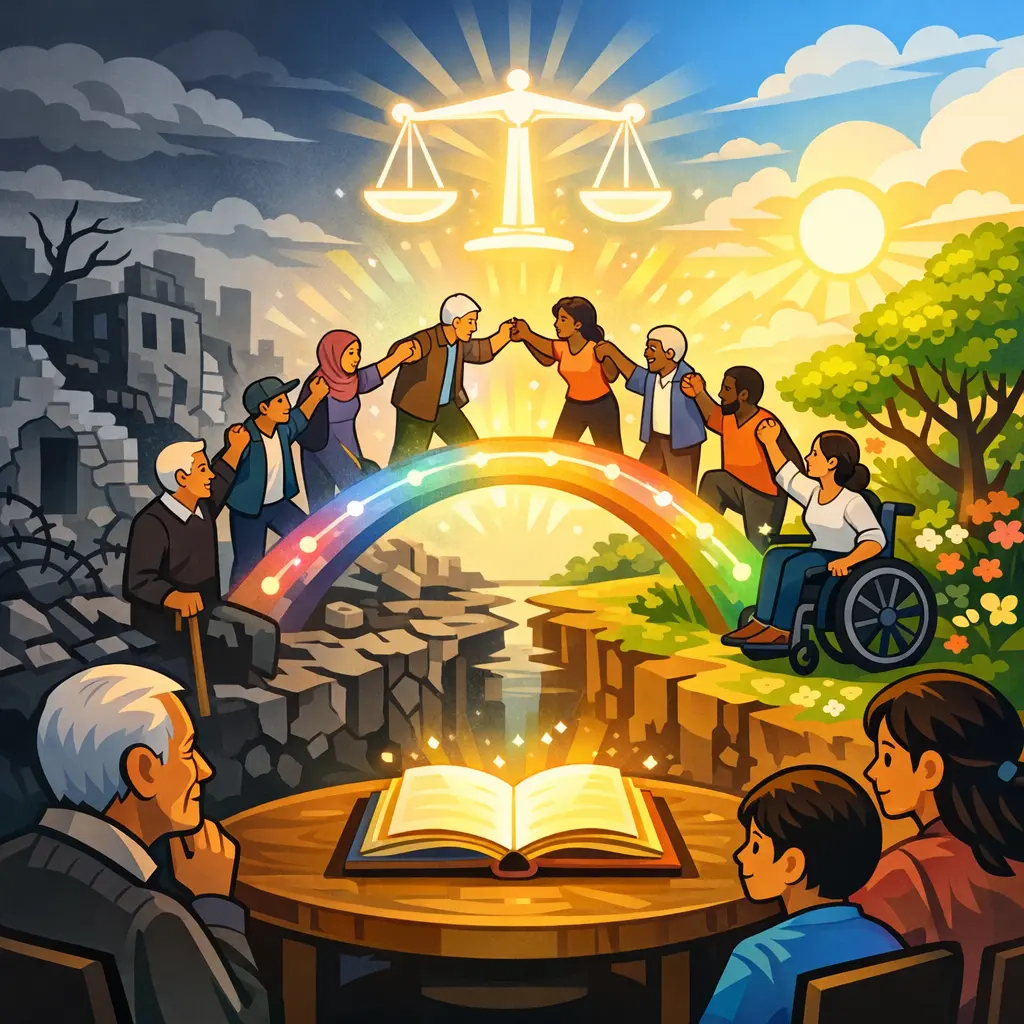
International Humanitarian Law (IHL) and Laws of War are legal frameworks designed to regulate conduct during armed conflicts. They aim to protect individuals who are not participating in hostilities, such as civilians and medical personnel, and to restrict the means and methods of warfare. Rooted in treaties like the Geneva Conventions, these laws oblige governments and combatants to minimize suffering, uphold human dignity, and ensure accountability for violations during war.
International Humanitarian Law & Laws of War
International Humanitarian Law (IHL) and Laws of War are legal frameworks designed to regulate conduct during armed conflicts. They aim to protect individuals who are not participating in hostilities, such as civilians and medical personnel, and to restrict the means and methods of warfare. Rooted in treaties like the Geneva Conventions, these laws oblige governments and combatants to minimize suffering, uphold human dignity, and ensure accountability for violations during war.
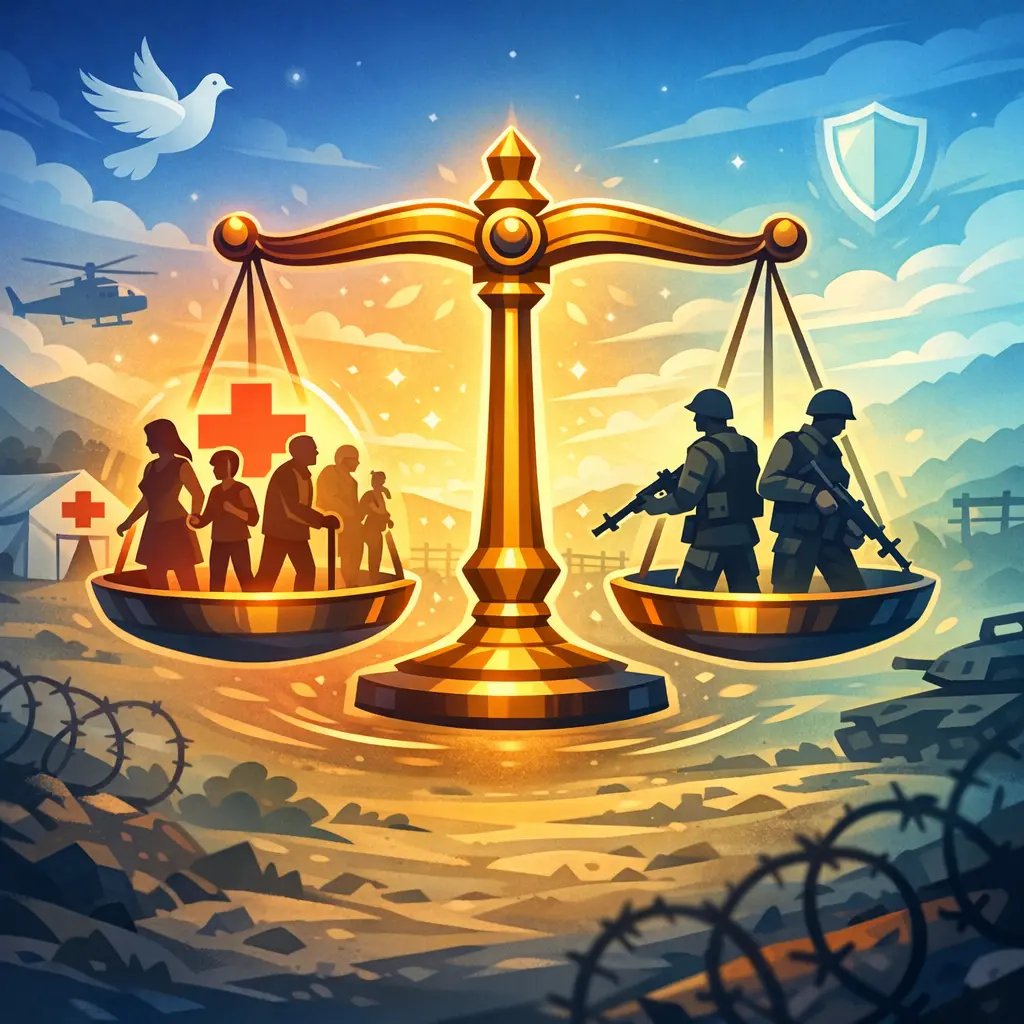
💡 Key Takeaways
- Understand what International Humanitarian Law is and why it exists to protect people during armed conflict.
- Identify the core IHL principles: distinction between military targets and civilians, proportionality of force, necessity, and humane treatment.
- Recognize who and what is protected under IHL, including civilians, wounded or captured combatants, medical personnel, and civilian objects like hospitals.
- Learn how IHL regulates means and methods of warfare and the role of treaties like the Geneva Conventions, plus the basics of enforcement and violations.
❓ Frequently Asked Questions
What is International Humanitarian Law (IHL)?
IHL, or the laws of war, is a set of rules that limits the effects of armed conflict by protecting people not participating in fighting and by regulating how wars are fought.
What is the principle of distinction in IHL?
Belligerents must distinguish between military targets and civilians or civilian objects, and may only attack legitimate military objectives.
What does the principle of proportionality mean in IHL?
The expected civilian harm or collateral damage must not be excessive in relation to the anticipated military objective.
What protections exist for non-combatants and the wounded under IHL?
Civilians, the wounded, and medical personnel/facilities must be protected and treated humanely; they should not be attacked, and prisoners of war must be treated humanely.