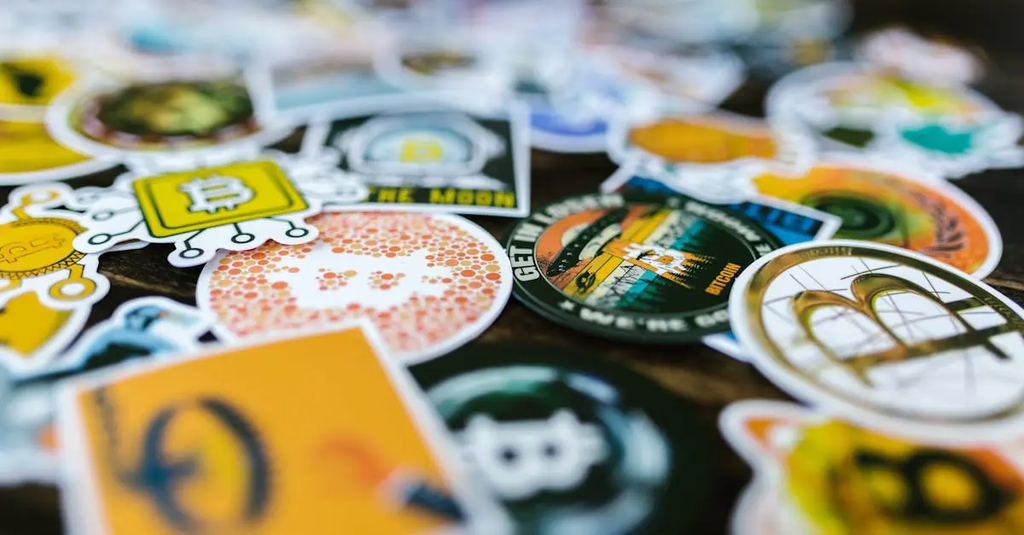
Internet slang refers to informal language, abbreviations, acronyms, and expressions commonly used online, especially in social media, chat rooms, and text messaging. It evolves rapidly, reflecting internet culture and trends. Examples include "LOL" (laugh out loud), "BRB" (be right back), and "OMG" (oh my God). Internet slang often simplifies communication, adds humor, and fosters a sense of community among users familiar with the terms.
Internet Slang+50
Internet slang refers to informal language, abbreviations, acronyms, and expressions commonly used online, especially in social media, chat rooms, and text messaging. It evolves rapidly, reflecting internet culture and trends. Examples include "LOL" (laugh out loud), "BRB" (be right back), and "OMG" (oh my God). Internet slang often simplifies communication, adds humor, and fosters a sense of community among users familiar with the terms.
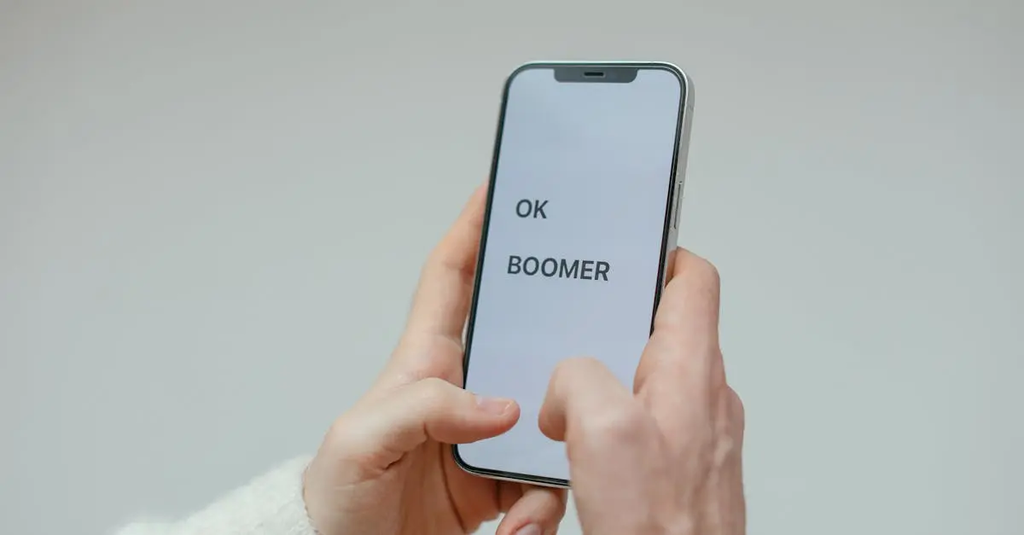
💡 Key Takeaways
- Identify common internet slang terms, acronyms, and initialisms used in online spaces (e.g., LOL, BRB, OMG).
- Explain how internet slang reflects online culture and trends and how it evolves over time.
- Use slang appropriately in casual online communication and recognize contexts where formal language is more suitable.
- Recognize different forms of slang (acronyms, initialisms, phrases) and learn to infer their meanings quickly from context.
❓ Frequently Asked Questions
What is internet slang?
Informal language, abbreviations, acronyms, and expressions used online; it evolves with internet culture and trends.
What do LOL, BRB, and OMG stand for, and how are they used?
LOL = Laugh Out Loud; BRB = Be Right Back; OMG = Oh My God; used to convey tone, emotion, or quick actions in chats and social posts.
What is the difference between an abbreviation, an acronym, and an initialism in internet slang?
Abbreviation shortens a word (e.g., txt for text); an acronym is pronounced as a word (e.g., NATO); an initialism is pronounced letter by letter (e.g., LOL, BRB, OMG).
How quickly does internet slang change and where do new terms come from?
It evolves rapidly with online communities, memes, and trends; new terms spread via social media, gaming, memes, and pop culture.