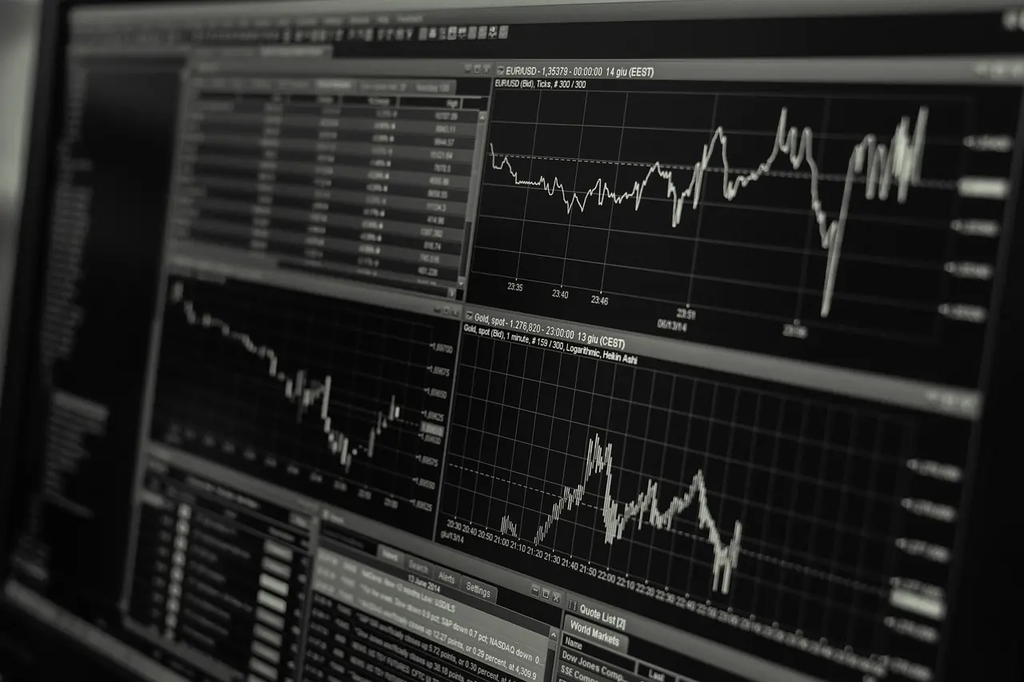
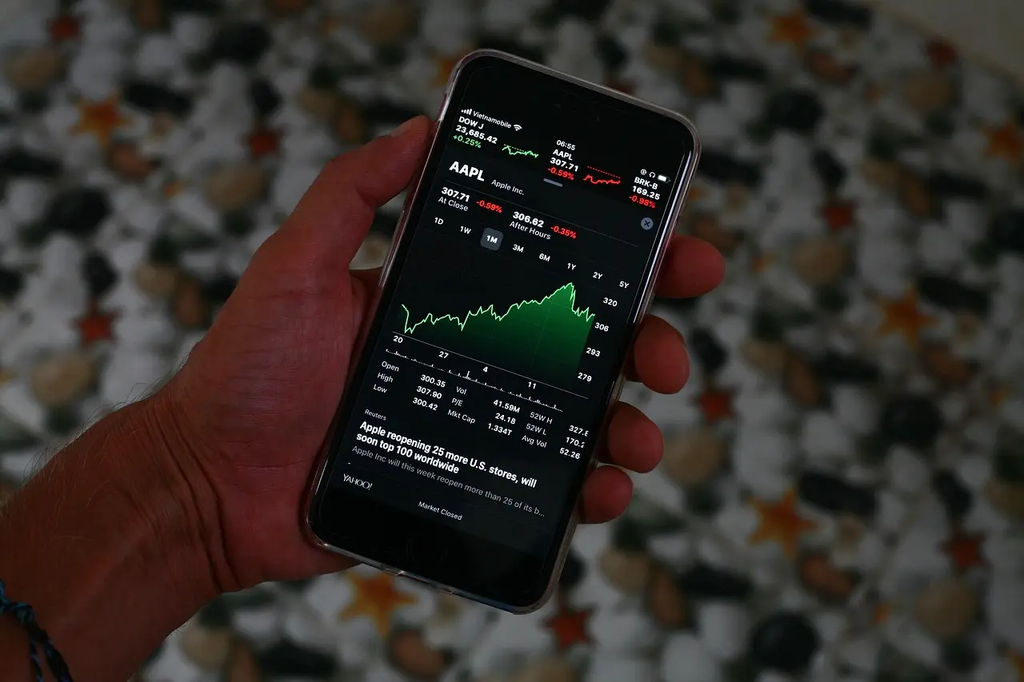
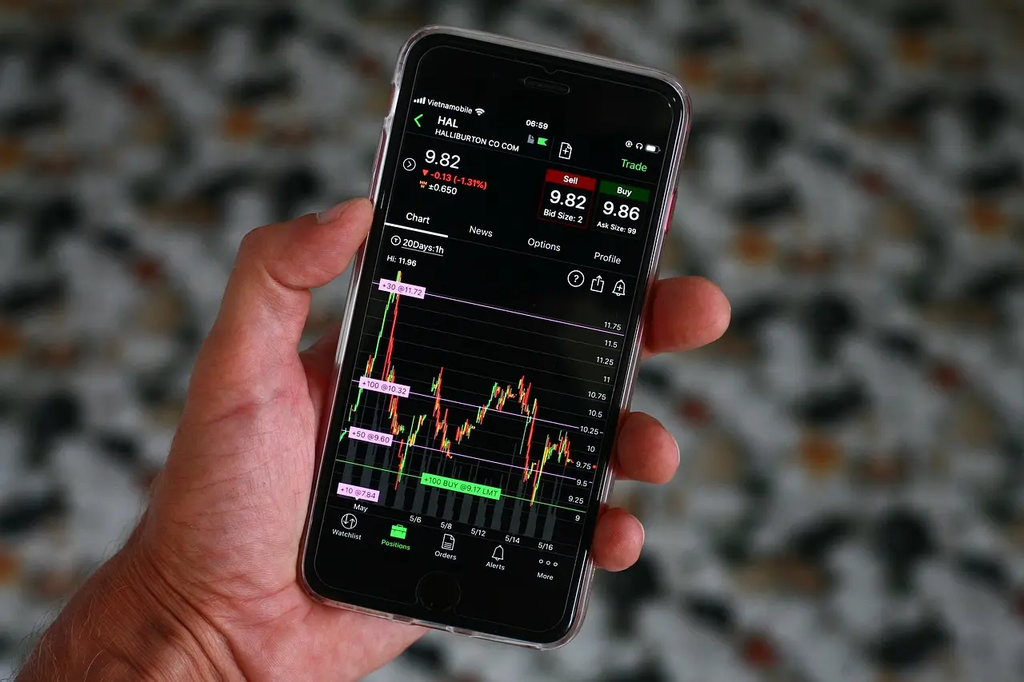
Introduction to Algorithmic Trading (US Stock Markets) refers to the foundational concepts and practices of using computer algorithms to automate the process of buying and selling stocks on US exchanges. It covers topics such as market structure, order types, data analysis, strategy development, and risk management. The aim is to improve trading efficiency, reduce human error, and capitalize on market opportunities by leveraging technology and quantitative methods.
Introduction to Algorithmic Trading
Introduction to Algorithmic Trading (US Stock Markets) refers to the foundational concepts and practices of using computer algorithms to automate the process of buying and selling stocks on US exchanges. It covers topics such as market structure, order types, data analysis, strategy development, and risk management. The aim is to improve trading efficiency, reduce human error, and capitalize on market opportunities by leveraging technology and quantitative methods.
💡 Key Takeaways
- Understand what algorithmic trading is and how it differs from manual trading.
- Identify the core components of an algorithmic trading system: data, strategy, execution, risk controls, and backtesting.
- Recognize common strategy types (trend-following, mean reversion) and when they are typically used.
- Learn basic backtesting concepts and how to evaluate performance and risk (e.g., drawdown, Sharpe ratio).
❓ Frequently Asked Questions
What is algorithmic trading?
Algorithmic trading uses computer programs to automatically place trades when predefined rules are met, aiming to remove emotion and trade faster than humans.
What are common types of algorithmic trading strategies?
Common types include trend-following, mean-reversion, arbitrage, and market-making; each encodes rules based on price patterns, statistics, or pricing discrepancies.
What is backtesting and why is it important?
Backtesting applies a strategy to historical data to estimate performance and risk before trading live; it helps validate ideas and adjust parameters.
What are key risks and considerations when using algorithmic trading?
Key considerations include data quality, transaction costs and slippage, model overfitting, system reliability, and regulatory constraints.