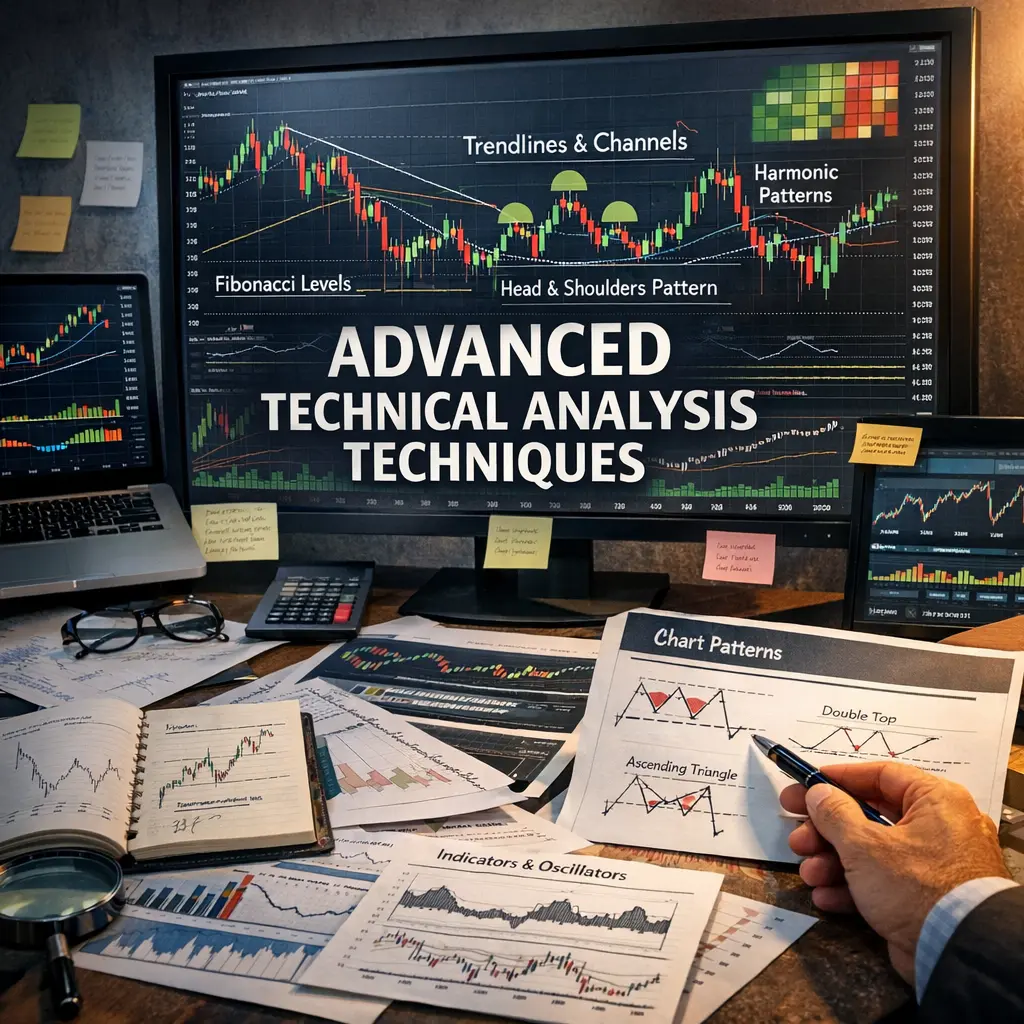
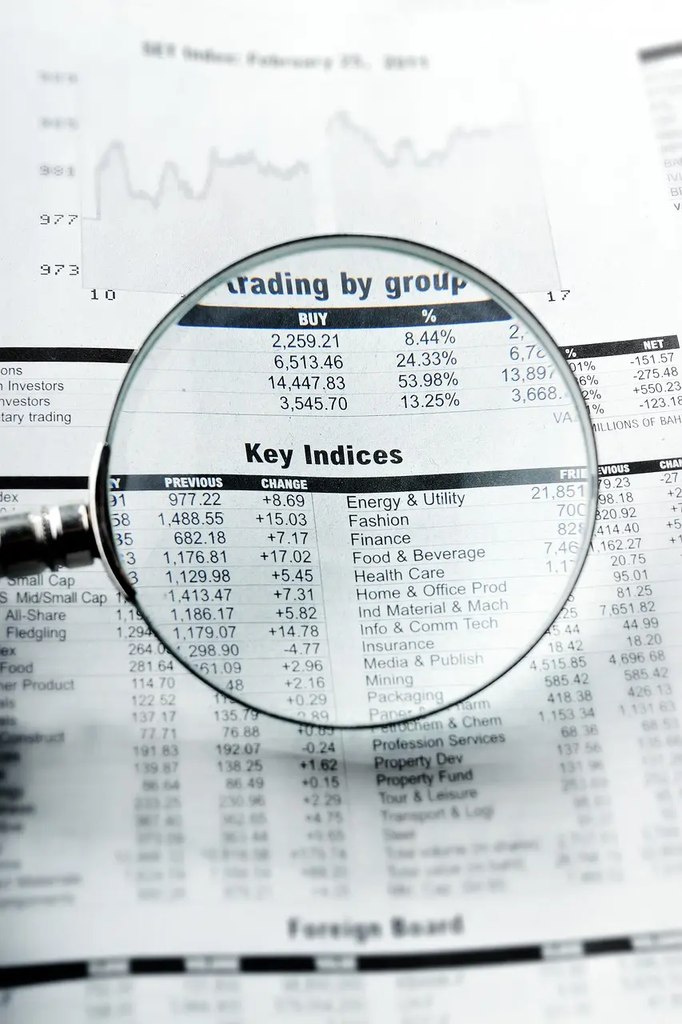
An introduction to ETFs (Exchange-Traded Funds) in US stock markets covers the basics of these investment vehicles, which pool investors' money to buy a diversified basket of assets like stocks or bonds. ETFs trade on stock exchanges like regular shares, offering liquidity, transparency, and typically lower fees compared to mutual funds. They are popular among investors for their flexibility, ease of access, and ability to track various market indices or sectors.
Introduction to ETFs
An introduction to ETFs (Exchange-Traded Funds) in US stock markets covers the basics of these investment vehicles, which pool investors' money to buy a diversified basket of assets like stocks or bonds. ETFs trade on stock exchanges like regular shares, offering liquidity, transparency, and typically lower fees compared to mutual funds. They are popular among investors for their flexibility, ease of access, and ability to track various market indices or sectors.
💡 Key Takeaways
- Understand the basic concept of an ETF and how it trades on an exchange like a stock.
- Learn how ETFs track an index to provide diversified exposure in a single trade.
- Recognize key cost and liquidity factors that affect ETF returns (expense ratio, bid-ask spread, tracking error).
- Identify practical tips for selecting and using ETFs in a portfolio (liquidity, trading hours, tax efficiency).
❓ Frequently Asked Questions
What is an ETF?
An ETF (exchange-traded fund) holds a basket of assets (e.g., stocks or bonds) and is designed to track a specific index or theme. It trades on an exchange during market hours like a stock.
How does an ETF differ from a mutual fund?
ETFs trade intraday on an exchange with real-time prices and often have lower expense ratios; mutual funds are priced once per day at their net asset value (NAV) and may have different tax implications.
How are ETF prices determined?
ETF prices move with supply and demand on the exchange and usually stay close to the fund’s underlying value (NAV). Arbitrage helps keep the price near NAV, though small intraday differences can occur.
What should I consider before buying an ETF?
Look at the index it tracks, the expense ratio, liquidity (trading volume and bid-ask spread), and potential tracking error. Also consider tax efficiency and your investment goals.