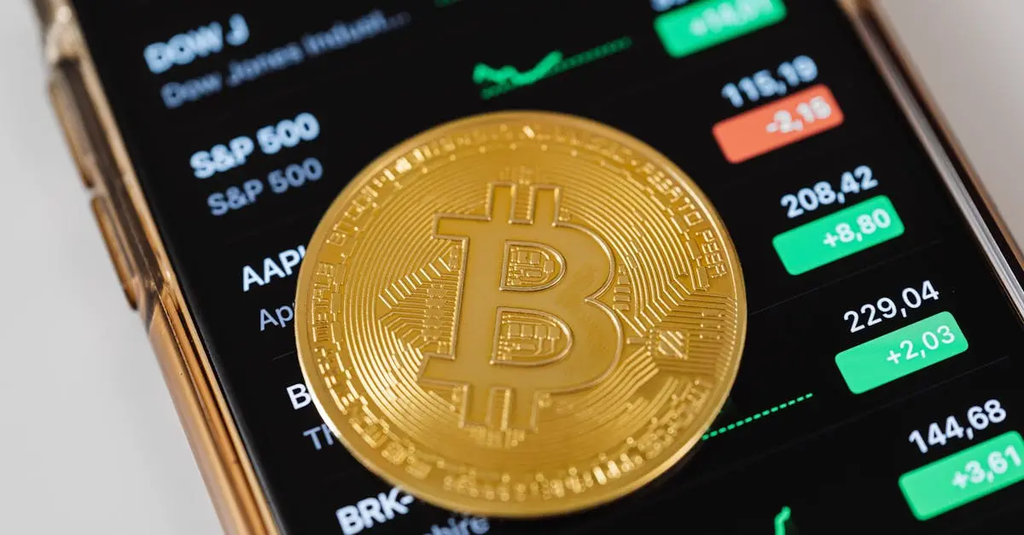
ETFs (Exchange-Traded Funds) and index funds are popular investment vehicles that provide broad market exposure by tracking specific indexes, such as the S&P 500. Both offer diversification, low fees, and passive management, making them attractive to investors seeking steady, long-term growth. ETFs trade like stocks on exchanges, allowing for intraday buying and selling, while index funds are typically bought or sold at the end-of-day net asset value.
Introduction to ETFs and index funds
ETFs (Exchange-Traded Funds) and index funds are popular investment vehicles that provide broad market exposure by tracking specific indexes, such as the S&P 500. Both offer diversification, low fees, and passive management, making them attractive to investors seeking steady, long-term growth. ETFs trade like stocks on exchanges, allowing for intraday buying and selling, while index funds are typically bought or sold at the end-of-day net asset value.

💡 Key Takeaways
- Understand what ETFs and index funds are and how they track market indexes like the S&P 500.
- Learn how these funds provide broad diversification with generally low fees and passive management to support long-term growth.
- Identify the practical differences between ETFs and index funds (trading, liquidity, and cost considerations).
- Know how to evaluate funds by the index tracked, expense ratio, tracking error, and liquidity when building a core long-term portfolio.
❓ Frequently Asked Questions
What is an index fund?
An investment fund that aims to mimic a market index (like the S&P 500) by holding the same stocks in the same weights; typically passive with low fees.
What is an ETF?
An Exchange-Traded Fund that tracks an index or asset and trades on an exchange like a stock, offering diversification and usually low costs; you can buy or sell shares throughout trading hours.
How do ETFs and index funds differ in trading and fees?
ETFs trade during the day at market prices (with bid-ask spreads); index funds are bought or sold at the end-of-day net asset value; both tend to have low fees, though ETFs may incur bid-ask costs and occasional commissions depending on the broker.
Why are ETFs and index funds popular for long-term investing?
They provide broad market exposure, diversification, and low fees, which support steady, long-term growth; performance tracks the chosen index rather than trying to pick individual winners.