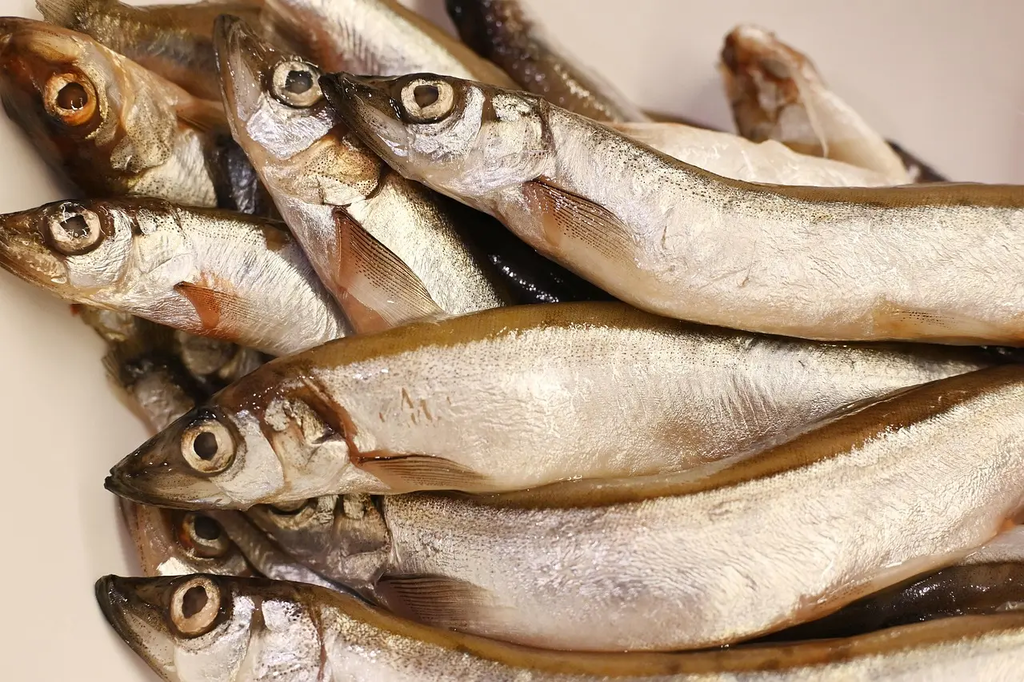
Introduction to Fermented Foods (Food & Global Flavors) explores the process of fermenting foods, a technique used worldwide to preserve ingredients and enhance flavors. This topic covers the science behind fermentation, its health benefits, and its cultural significance. Examples include kimchi from Korea, sauerkraut from Germany, and yogurt from the Middle East, highlighting how fermentation creates unique tastes and textures that define various global cuisines.
Introduction to Fermented Foods
Introduction to Fermented Foods (Food & Global Flavors) explores the process of fermenting foods, a technique used worldwide to preserve ingredients and enhance flavors. This topic covers the science behind fermentation, its health benefits, and its cultural significance. Examples include kimchi from Korea, sauerkraut from Germany, and yogurt from the Middle East, highlighting how fermentation creates unique tastes and textures that define various global cuisines.

💡 Key Takeaways
- Understand what fermentation is and how microbes transform foods.
- Identify common fermented foods and beverages from different cultures.
- Explore how fermentation can change flavor, texture, and nutrition (including probiotic potential).
- Learn basic at-home fermentation steps and safety practices.
❓ Frequently Asked Questions
What is fermentation in foods?
A natural process where microbes like bacteria or yeast convert sugars into acids, gases, or alcohol, helping preserve the food and build flavor.
Which microbes are most commonly involved in fermented foods?
Lactic acid bacteria and yeasts are the main players (with molds in some foods), driving fermentation to create tangy flavors and textures.
Can you name a few popular fermented foods?
Yogurt, sauerkraut, kimchi, kefir, miso, tempeh, and kombucha.
How does fermentation affect safety and shelf life?
The acids or alcohol produced lower pH and inhibit spoilage microbes, helping preservation; proper sanitation and storage are still important.