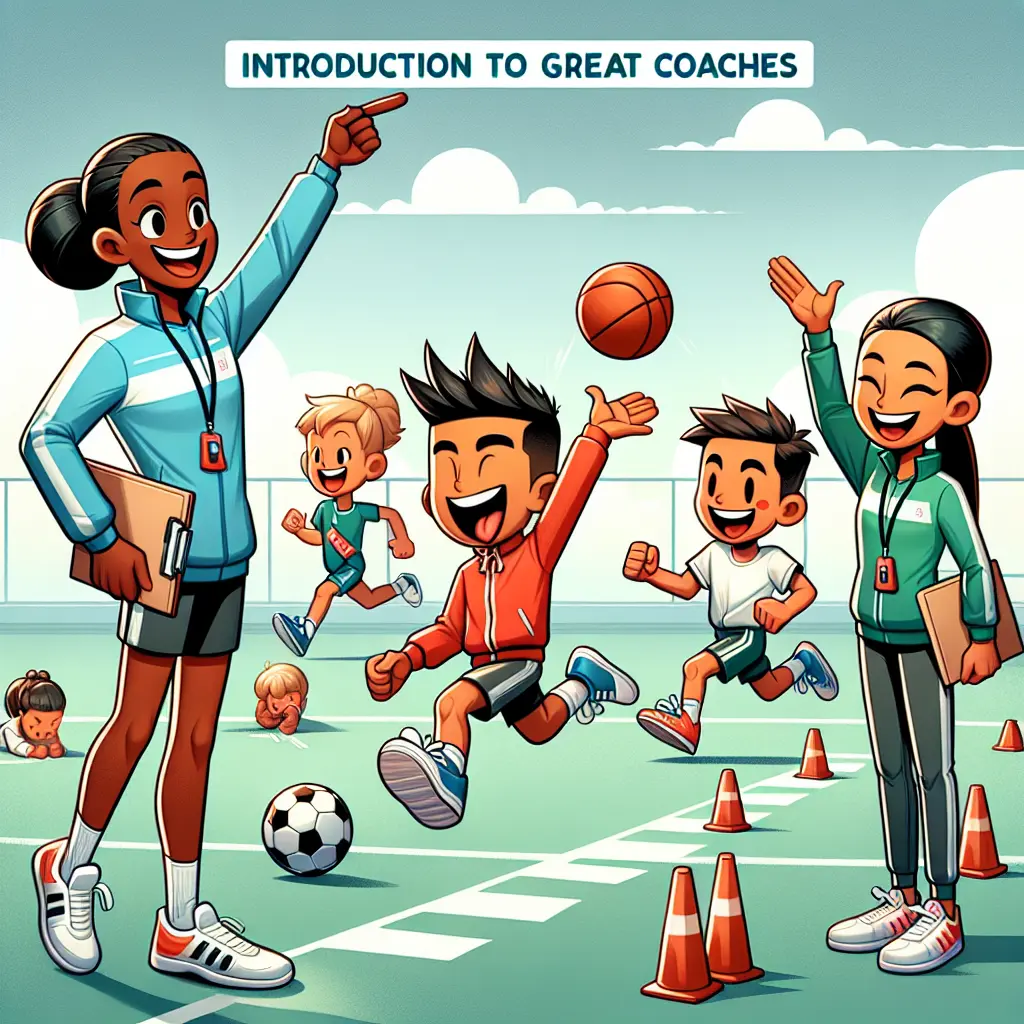
"Introduction to Great Coaches" refers to the process of acquainting individuals with influential and successful figures in coaching across various fields, such as sports, business, or personal development. It often highlights their leadership styles, philosophies, achievements, and the impact they have had on their teams or clients. This introduction serves as a foundation for understanding the qualities and strategies that distinguish exceptional coaches from their peers.
Introduction to Great Coaches
"Introduction to Great Coaches" refers to the process of acquainting individuals with influential and successful figures in coaching across various fields, such as sports, business, or personal development. It often highlights their leadership styles, philosophies, achievements, and the impact they have had on their teams or clients. This introduction serves as a foundation for understanding the qualities and strategies that distinguish exceptional coaches from their peers.
💡 Key Takeaways
- Identify leadership styles used by renowned coaches across sports, business, and personal development
- Explain how coaching philosophies shape culture, motivation, and performance
- Recognize key achievements of great coaches and their impact on people and organizations
- Apply coaching techniques such as goal-setting, feedback, and adaptive communication to drive growth
❓ Frequently Asked Questions
What defines a 'great coach' across fields?
A great coach inspires and develops others, achieves meaningful results, and leaves a lasting positive impact through clear communication, ethical leadership, and adaptability.
What leadership styles are commonly linked to great coaches?
Transformational leadership (inspiring growth), servant leadership (putting others first), and adaptive or situational leadership (adjusting to team needs).
How is a coach's achievement typically measured?
By a mix of outcomes such as performance results, championships, player development, team culture, and long-term impact on individuals or organizations.
How does a coach influence development and culture?
By setting clear goals, modeling behavior, giving feedback, creating a supportive environment, and prioritizing learning and resilience.
How should you compare coaches from sports, business, and personal development in the quiz?
Focus on core principles—leadership, philosophy, and impact—while noting the context and specific goals (competition, growth, or organizational outcomes).