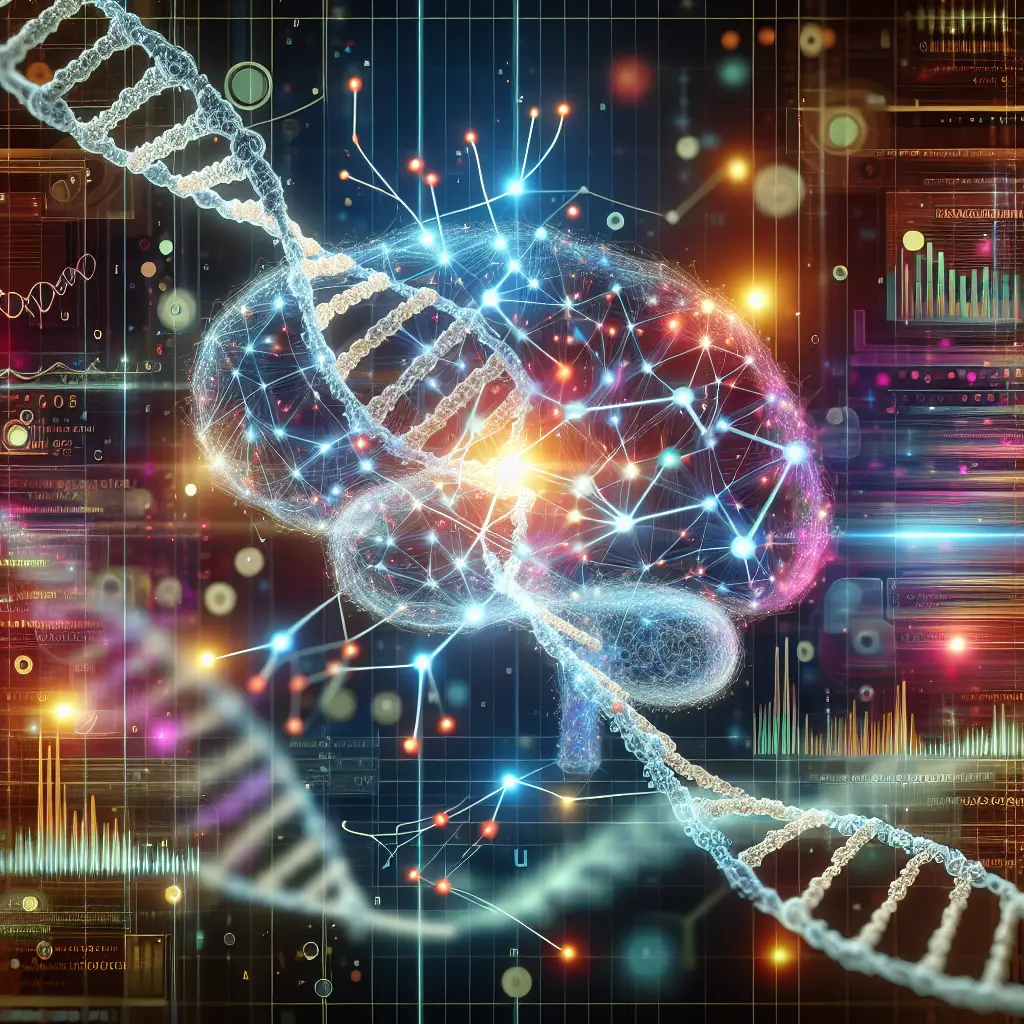
An introduction to neural networks for genomics explores how artificial intelligence models, inspired by the human brain, are applied to analyze vast genetic data. These networks can identify patterns in DNA sequences, predict gene functions, and uncover relationships between genetic variations and diseases. By automating complex data analysis, neural networks accelerate discoveries in genomics, enhance personalized medicine, and enable researchers to interpret biological information more efficiently and accurately.
Introduction to Neural Network for Genomics
An introduction to neural networks for genomics explores how artificial intelligence models, inspired by the human brain, are applied to analyze vast genetic data. These networks can identify patterns in DNA sequences, predict gene functions, and uncover relationships between genetic variations and diseases. By automating complex data analysis, neural networks accelerate discoveries in genomics, enhance personalized medicine, and enable researchers to interpret biological information more efficiently and accurately.
💡 Key Takeaways
- Understand what neural networks are and why they are useful in genomics.
- Learn how neural networks analyze DNA sequences to identify motifs and patterns.
- Explore how these models predict gene functions and relate genetic variations to phenotypes.
- Recognize common challenges in genomics AI, including data quality, model interpretability, and bias.
❓ Frequently Asked Questions
What is a neural network in genomics?
A machine-learning model inspired by the brain that learns from large genomic data to identify patterns in DNA sequences and predict gene-related outcomes.
How do neural networks analyze DNA sequences?
DNA is encoded into numerical forms (e.g., one-hot encoding) and processed by layers (such as convolutional or recurrent layers) to detect motifs and complex patterns.
What can these networks predict or reveal?
Gene functions, regulatory elements, effects of genetic variants, and relationships between variants and traits or diseases.
Why are neural networks advantageous for genomics?
They scale to huge datasets, capture nonlinear relationships, and automatically discover patterns that can be missed by traditional analyses.