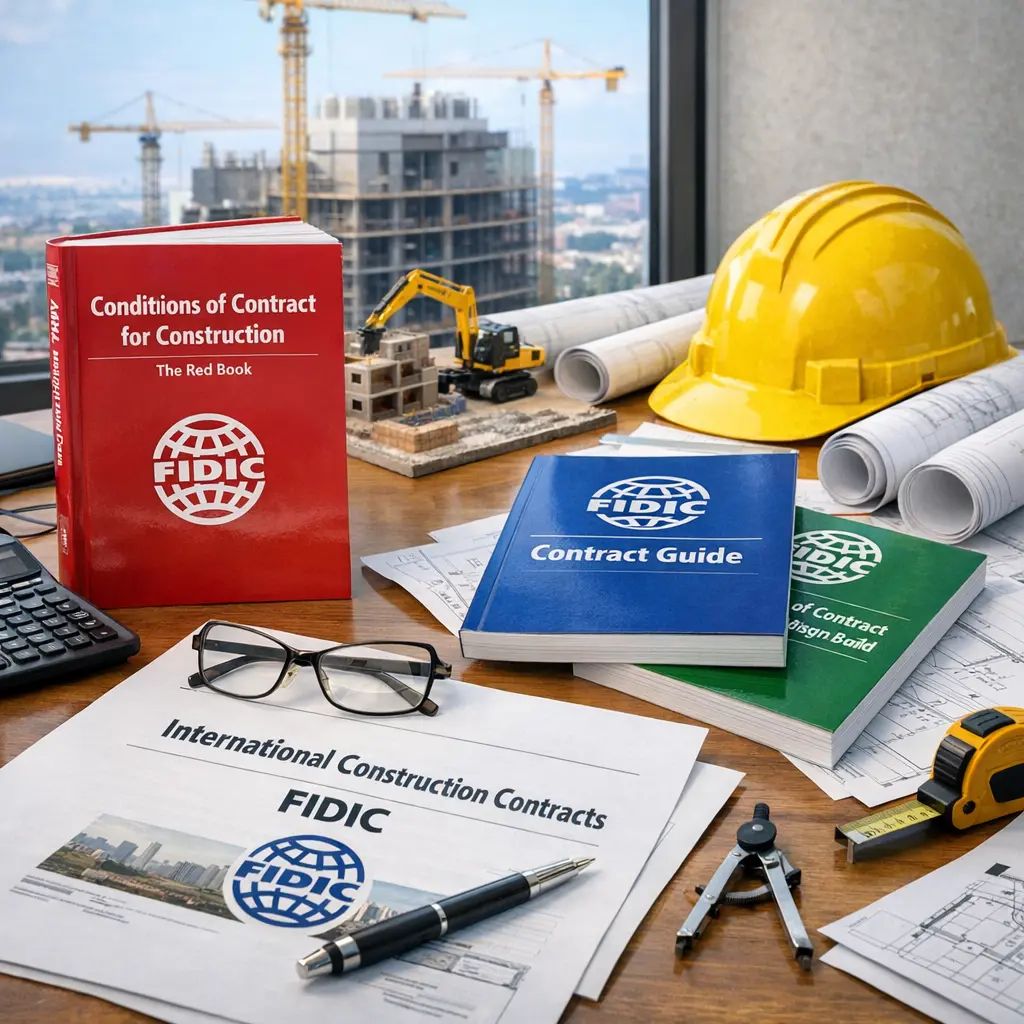
Introduction to Risk Management in Construction (The Construction Environment) refers to the process of identifying, assessing, and mitigating potential risks that may impact construction projects. This involves understanding the unique challenges and uncertainties present in the construction industry, such as safety hazards, financial risks, regulatory issues, and environmental concerns. Effective risk management ensures project objectives are met by minimizing negative impacts, enhancing decision-making, and promoting a safer, more efficient construction environment.
Introduction to Risk Management in Construction
Introduction to Risk Management in Construction (The Construction Environment) refers to the process of identifying, assessing, and mitigating potential risks that may impact construction projects. This involves understanding the unique challenges and uncertainties present in the construction industry, such as safety hazards, financial risks, regulatory issues, and environmental concerns. Effective risk management ensures project objectives are met by minimizing negative impacts, enhancing decision-making, and promoting a safer, more efficient construction environment.
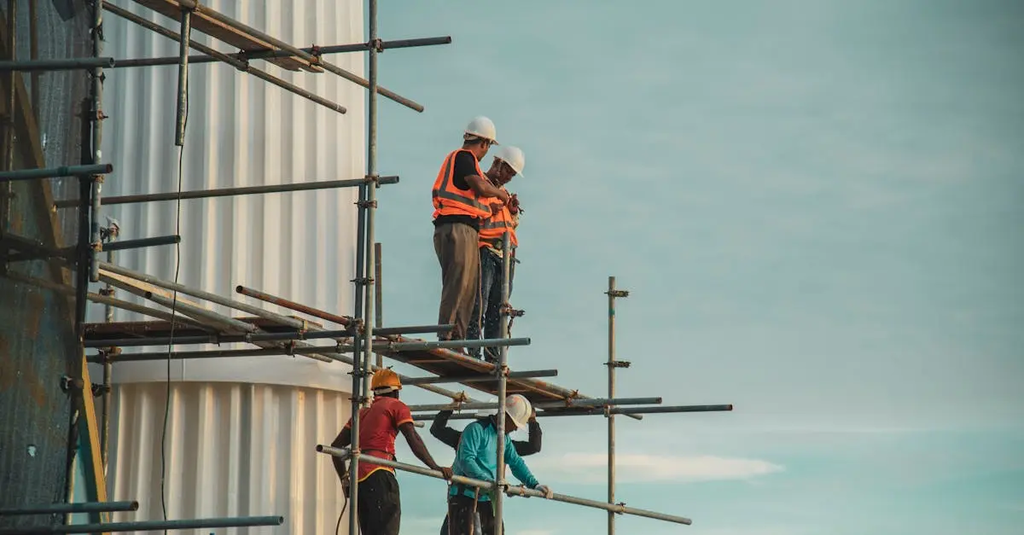
💡 Key Takeaways
- Identify common construction risks (safety, schedule, cost, quality) and how they impact project outcomes.
- Explain how to use a risk register to document, prioritize, and assign ownership of risks.
- Differentiate between qualitative and quantitative risk assessment methods in construction.
- Learn strategies to mitigate risks through planning, procurement, contracts, and risk transfer.
- Recognize the ongoing process of risk monitoring and response throughout the project lifecycle.
❓ Frequently Asked Questions
What is risk management in construction?
A proactive process to identify, assess, plan for, and monitor events that could affect cost, schedule, safety, or quality, and to implement actions to reduce or respond.
What are common risk types in construction?
Common risks include cost overruns, schedule delays, safety incidents, design changes, supply chain disruptions, regulatory changes, weather, and quality issues.
What are the main steps of the risk management process?
Identify risks; assess likelihood and impact; prioritize; plan responses (avoid, mitigate, transfer, accept); monitor and review; and communicate with stakeholders.
What is a risk register and how is it used?
A risk register is a living document listing identified risks, owners, likelihood, impact, planned responses, and status to track risk management activities.