"Introduction to Seafood Dishes (Food & Global Flavors)" explores the diverse world of seafood cuisine, highlighting how various cultures prepare and enjoy fish, shellfish, and other ocean delicacies. This topic covers traditional and modern recipes, cooking techniques, and the unique flavors seafood brings to global gastronomy. It invites readers to discover regional specialties, health benefits, and the cultural significance of seafood in international culinary traditions.
Introduction to Seafood Dishes
"Introduction to Seafood Dishes (Food & Global Flavors)" explores the diverse world of seafood cuisine, highlighting how various cultures prepare and enjoy fish, shellfish, and other ocean delicacies. This topic covers traditional and modern recipes, cooking techniques, and the unique flavors seafood brings to global gastronomy. It invites readers to discover regional specialties, health benefits, and the cultural significance of seafood in international culinary traditions.
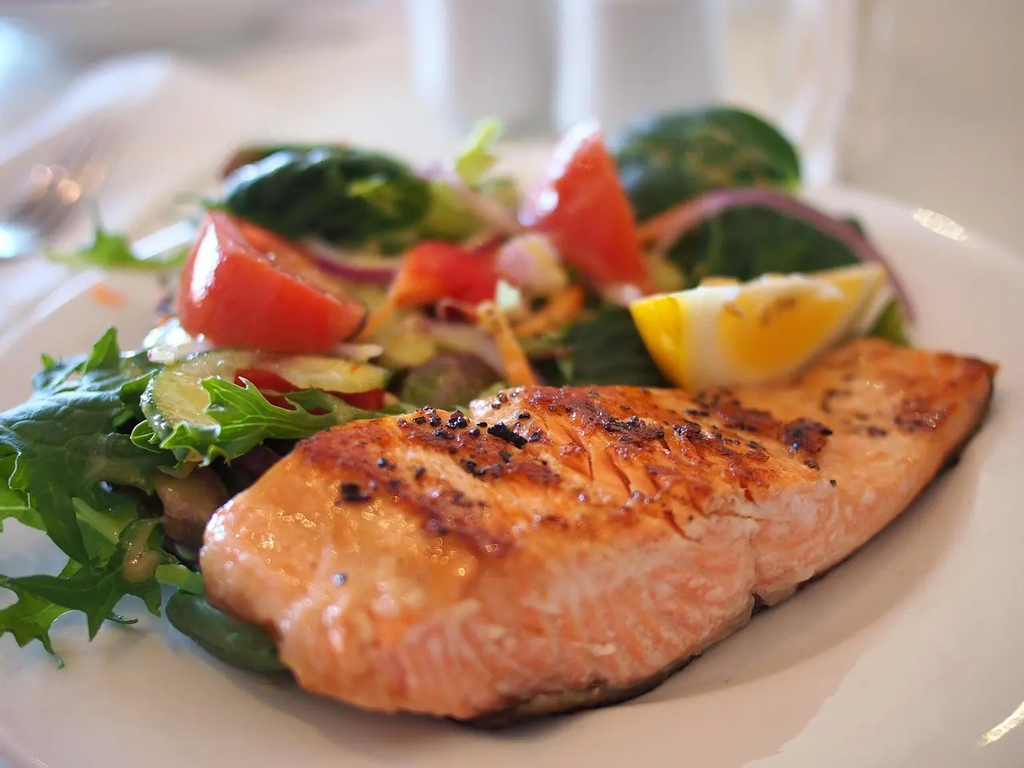
💡 Key Takeaways
- Identify common seafood types (fish and shellfish) and how their textures guide cooking choices.
- Learn essential seafood safety basics, including storage, thawing, and freshness checks.
- Explore core seafood cooking methods (grilling, poaching, baking, sautéing) and when to use them.
- Discover simple flavor pairings and seasonings that elevate seafood dishes.
❓ Frequently Asked Questions
What counts as seafood in most recipes?
Seafood typically includes fish, crustaceans (like shrimp, crab, lobster), and mollusks (such as clams, mussels, oysters). Some broader lists also include seaweed.
How can you tell seafood is fresh?
Fresh fish should have clear eyes, bright, firm flesh, and a mild ocean-like smell. Fresh shellfish should have shells that are closed (or cling tightly) and smell like the sea; discard if there’s a strong, unpleasant odor.
What are common cooking methods for seafood?
Popular methods include grilling, baking, poaching, steaming, and sautéing. Seafood cooks quickly, so avoid overcooking to keep it tender.
What is a safe internal temperature for cooked fish?
Cook fish to an internal temperature of 145°F (63°C) until the flesh is opaque and flakes easily.