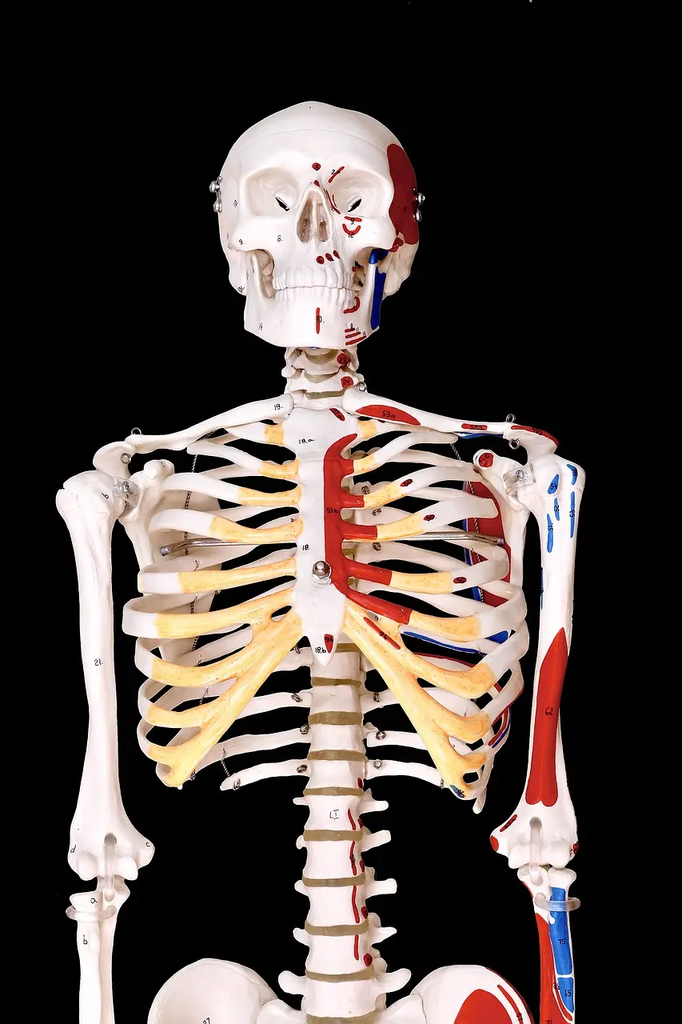
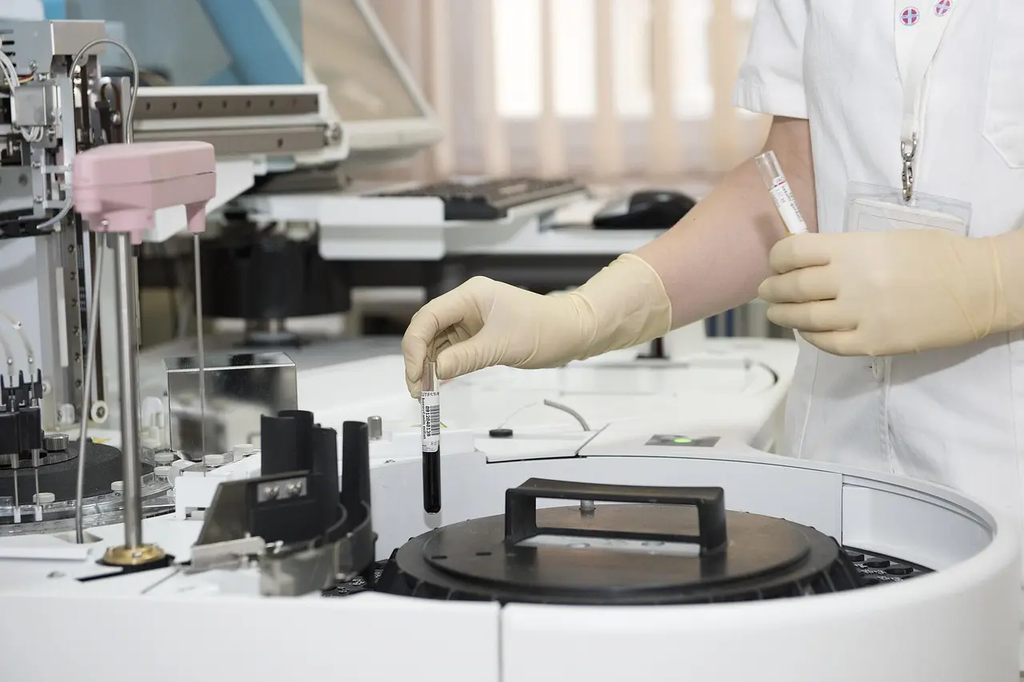
"Introduction to the Human Body (Human Body Basics)" refers to the foundational study of the structure and function of the human body. It covers essential concepts such as the organization of cells, tissues, organs, and organ systems. This topic explores how different systems—like the circulatory, respiratory, digestive, and nervous systems—work together to maintain health and support life. Understanding these basics is crucial for further study in biology, medicine, and health sciences.
Introduction to the Human Body+50
"Introduction to the Human Body (Human Body Basics)" refers to the foundational study of the structure and function of the human body. It covers essential concepts such as the organization of cells, tissues, organs, and organ systems. This topic explores how different systems—like the circulatory, respiratory, digestive, and nervous systems—work together to maintain health and support life. Understanding these basics is crucial for further study in biology, medicine, and health sciences.
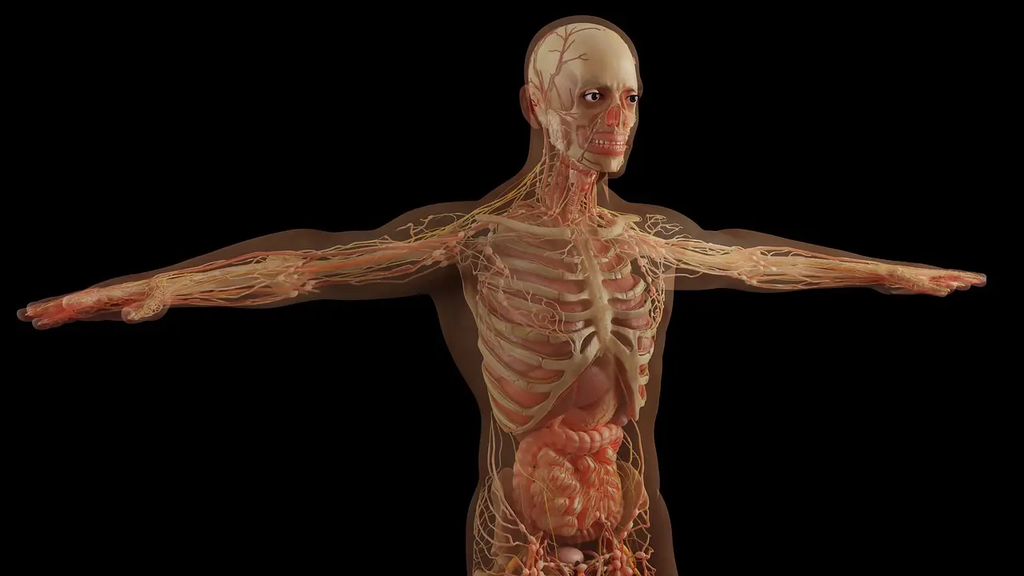
💡 Key Takeaways
- Identify the major body systems and their key functions.
- Explain how cells form tissues and organs, and how organs work together to sustain life.
- Describe how the body maintains homeostasis and responds to changes.
- Understand basic anatomy terminology, directions, and body orientation.
❓ Frequently Asked Questions
What is the basic unit of life in the human body?
Cells are the building blocks of all body structures and organs; they carry out life-sustaining processes.
Which major organ systems work together to keep you alive?
The circulatory, respiratory, digestive, nervous, musculoskeletal, endocrine, immune, urinary, reproductive, and integumentary systems.
What is the main job of the heart?
To pump blood through the circulatory system, delivering oxygen and nutrients and removing wastes.
What does homeostasis mean in the human body?
It means keeping internal conditions steady (like temperature, pH, and fluid balance) despite changes outside the body.