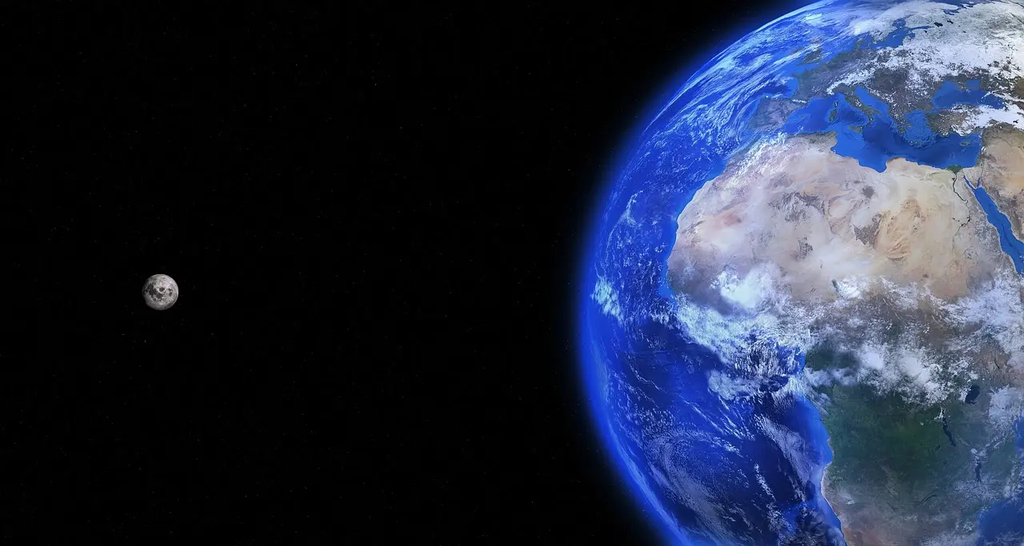
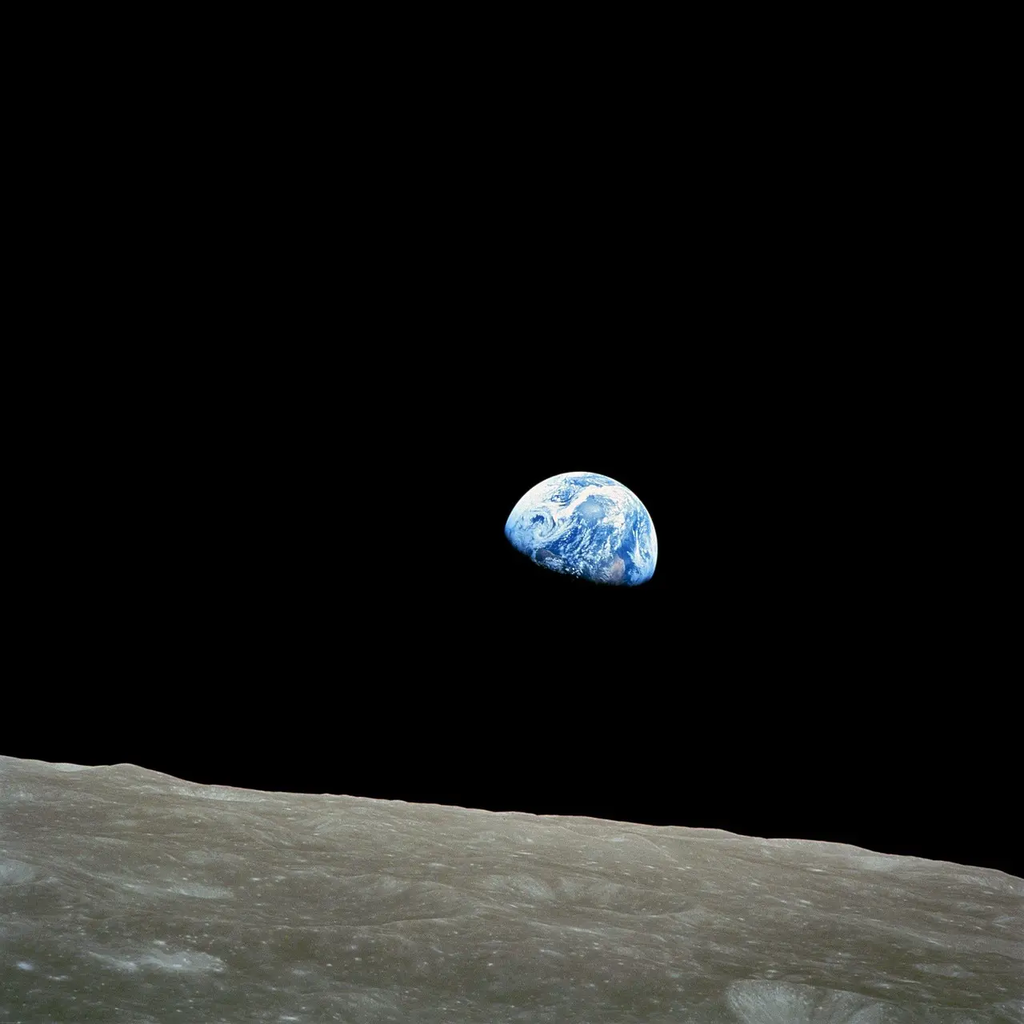
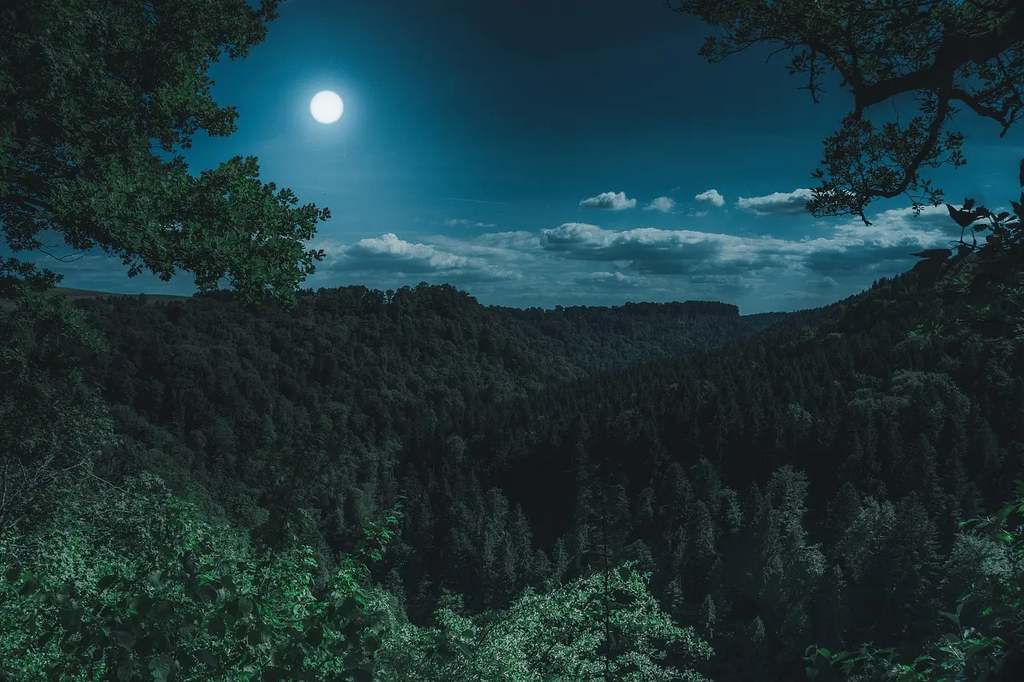
The Moon, Earth's only natural satellite, has fascinated humans for centuries. It orbits our planet at an average distance of about 384,400 kilometers and plays a crucial role in influencing tides and stabilizing Earth's rotation. The Moon's surface is covered with craters, mountains, and flat plains called maria. Its phases result from its position relative to Earth and the Sun, making it a prominent feature in our night sky and an important subject in space exploration.
Introduction to the Moon+50
The Moon, Earth's only natural satellite, has fascinated humans for centuries. It orbits our planet at an average distance of about 384,400 kilometers and plays a crucial role in influencing tides and stabilizing Earth's rotation. The Moon's surface is covered with craters, mountains, and flat plains called maria. Its phases result from its position relative to Earth and the Sun, making it a prominent feature in our night sky and an important subject in space exploration.
💡 Key Takeaways
- Identify key facts about the Moon, including its size, distance from Earth, and orbital period.
- Describe the Moon's cycle of phases and what causes them.
- Recognize major surface features (maria, craters, highlands) and what they reveal about lunar history.
- Understand how the Moon affects Earth and why it has been a focus of exploration.
❓ Frequently Asked Questions
What is the Moon?
The Moon is Earth's natural satellite, a rocky world that orbits our planet.
How long is a lunar cycle?
A full cycle (the synodic month) is about 29.5 days from one New Moon to the next; the Moon's orbit relative to stars (sidereal month) is about 27.3 days.
Why does the Moon have phases?
We see different amounts of the sunlit side as the Moon orbits Earth, creating the familiar phases from New Moon to Full Moon.
Do the Moon's gravity and tides affect Earth?
Yes. The Moon's gravity pulls on Earth's oceans, causing tides; the Sun also contributes to tides.
Is the Moon geologically active today?
The Moon has no significant atmosphere and is geologically quiet today, with a surface shaped by ancient impacts and occasional moonquakes.