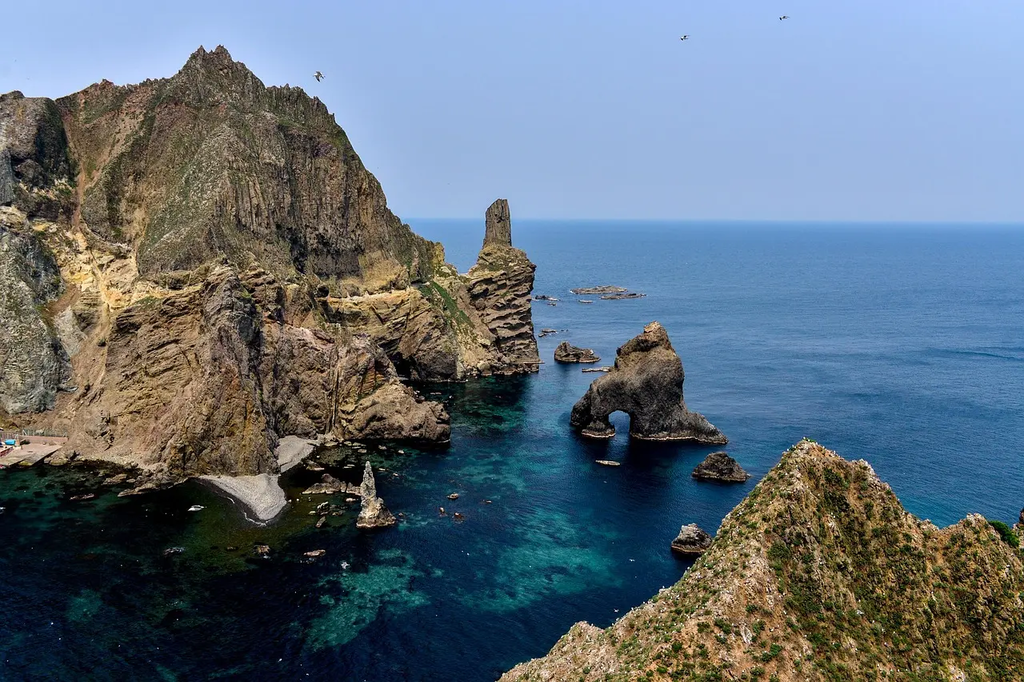
Island nations are countries entirely surrounded by water, typically located in oceans or seas. These nations often have unique cultures, ecosystems, and economies shaped by their geographic isolation. Notable examples include Japan, the Philippines, Madagascar, and the Maldives. Island nations face distinct challenges such as limited resources, vulnerability to climate change, and reliance on imports, but they also benefit from tourism, rich marine biodiversity, and strong maritime traditions.
Island Nations Around the World+50
Island nations are countries entirely surrounded by water, typically located in oceans or seas. These nations often have unique cultures, ecosystems, and economies shaped by their geographic isolation. Notable examples include Japan, the Philippines, Madagascar, and the Maldives. Island nations face distinct challenges such as limited resources, vulnerability to climate change, and reliance on imports, but they also benefit from tourism, rich marine biodiversity, and strong maritime traditions.
💡 Key Takeaways
- Define what an island nation is and what it means to be completely surrounded by water.
- Explain how geographic isolation shapes culture, ecosystems, and economies in island nations.
- Identify notable examples (Japan, the Philippines, Madagascar, the Maldives) and note how their location influences daily life and biodiversity.
- Discuss common challenges island nations face, such as climate change, sea-level rise, resource constraints, and tourism dependency, and outline possible adaptation strategies.
❓ Frequently Asked Questions
What defines an island nation?
A country that is entirely surrounded by water and has no land borders with other nations.
Name some notable island nations mentioned in the article.
Japan, the Philippines, Madagascar, and the Maldives.
How does geographic isolation influence island nations?
It shapes unique cultures, ecosystems, and economies, and often emphasizes maritime trade and tourism.
What common challenges do island nations face?
Sea-level rise, extreme weather, limited land and freshwater, and reliance on imports.
What are typical economic activities in island nations?
Fishing, tourism, and maritime trade; agriculture may be limited by space and climate.