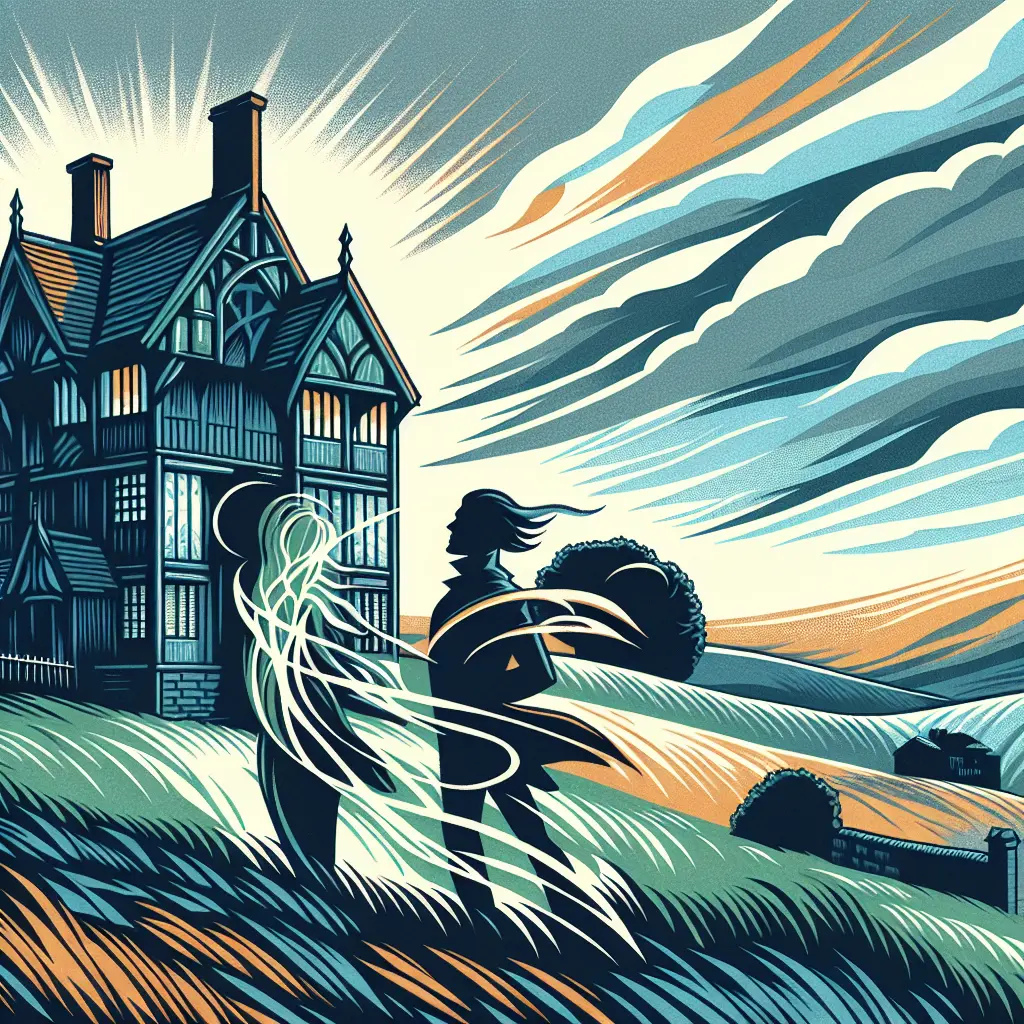
Jane Austen is a renowned English novelist whose works epitomize the Regency novel, a literary genre set during the early 19th-century Regency era. Her novels, including "Pride and Prejudice" and "Emma," explore themes of love, social class, and morality within the context of English country life. Austen's sharp wit, keen social observation, and memorable characters have made her a defining figure of Regency literature and a lasting influence on the novel form.
Jane Austen and the Regency novel
Jane Austen is a renowned English novelist whose works epitomize the Regency novel, a literary genre set during the early 19th-century Regency era. Her novels, including "Pride and Prejudice" and "Emma," explore themes of love, social class, and morality within the context of English country life. Austen's sharp wit, keen social observation, and memorable characters have made her a defining figure of Regency literature and a lasting influence on the novel form.

💡 Key Takeaways
- Understand how the Regency-era social structure and marriage norms shape Austen's plots in Pride and Prejudice and Emma.
- Identify key themes—love, class, and morality—in Austen's novels and how they develop.
- Analyze Austen's narrative style (irony and free indirect discourse) and how it critiques Regency society.
- See how English country-life settings influence character interactions and decisions.
❓ Frequently Asked Questions
What is a Regency novel?
A Regency novel is set in early 19th-century England during the Regency era and typically explores manners, marriage, class, and morality through witty social observation; Jane Austen’s novels are classic examples.
Which Austen novels are classic examples of the Regency novel and what themes do they explore?
Pride and Prejudice and Emma are key examples; they explore love and marriage, social class, and personal growth within English country life.
How does Jane Austen portray social class in her works?
She shows the marriage market and social interactions at country houses, highlighting how status, wealth, and propriety shape choices—while also valuing merit and individual judgment.
What elements convey the Regency setting in Austen’s novels?
Ballrooms, country estates, etiquette, letters, and social visits illustrate the era’s manners and constraints.