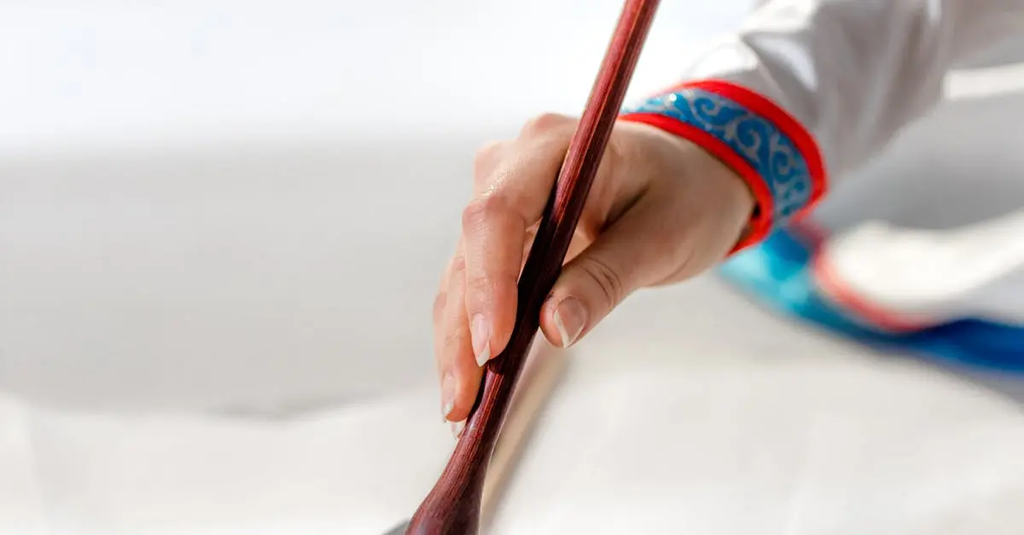
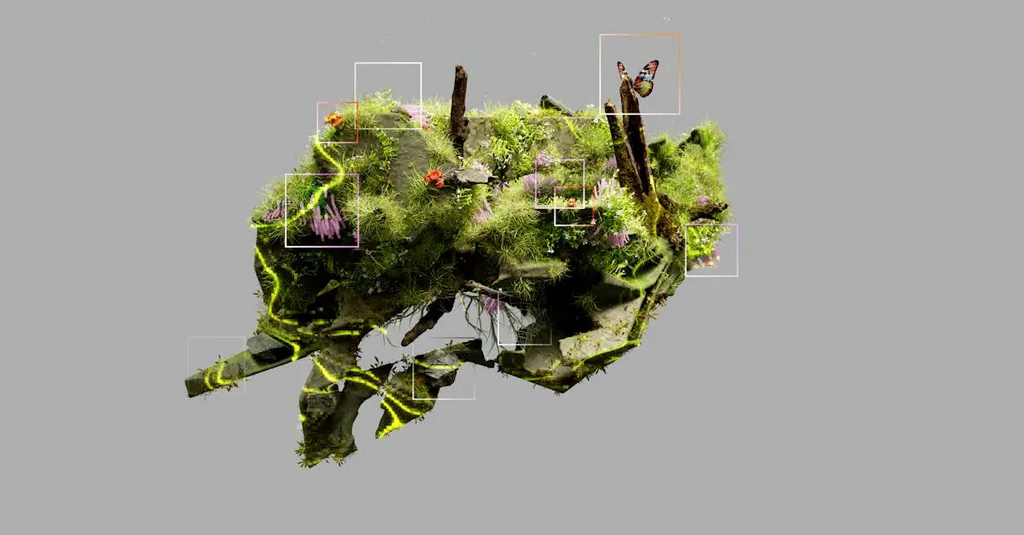
Japanese Postwar Art, notably Gutai and Mono-ha, emerged in response to the devastation of World War II. Gutai (1954–72) emphasized experimental materials and performance, celebrating freedom and individuality. Mono-ha (late 1960s–70s) focused on the relationships between natural and industrial materials, highlighting their properties and interactions. Both movements sought to redefine art’s role in society, challenging traditional forms and reflecting Japan’s transformation during the postwar era.
Japanese Postwar Art (Gutai, Mono‑ha)
Japanese Postwar Art, notably Gutai and Mono-ha, emerged in response to the devastation of World War II. Gutai (1954–72) emphasized experimental materials and performance, celebrating freedom and individuality. Mono-ha (late 1960s–70s) focused on the relationships between natural and industrial materials, highlighting their properties and interactions. Both movements sought to redefine art’s role in society, challenging traditional forms and reflecting Japan’s transformation during the postwar era.
💡 Key Takeaways
- Understand the postwar context in which Gutai and Mono-ha emerged in Japan.
- Explain Gutai's emphasis on experimental process, performance, and material exploration with audience participation.
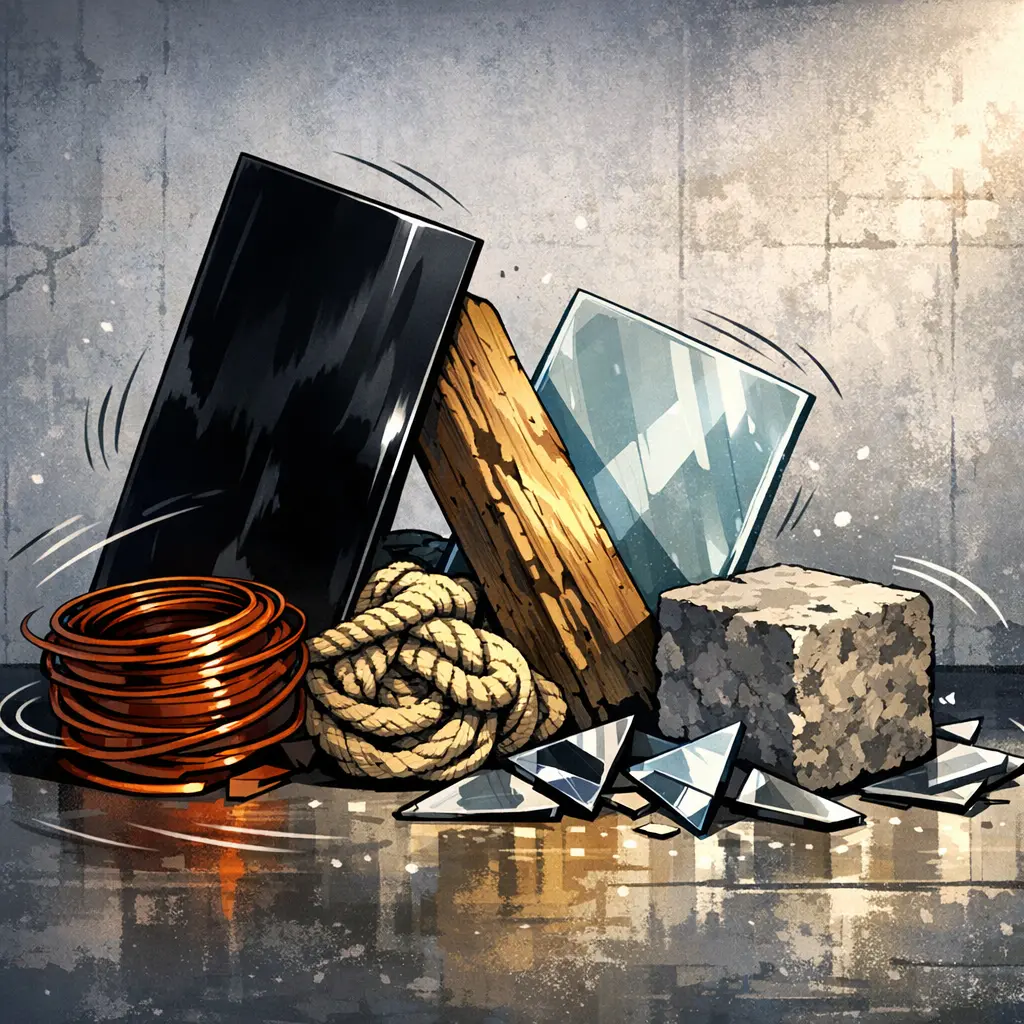
- Explain Mono-ha's focus on the material encounter, perception, and minimalist installation practices.
- Compare Gutai and Mono-ha in terms of their approach to materials, space, and viewer engagement, and their influence on later contemporary art.
❓ Frequently Asked Questions
What is Gutai?
Gutai was a postwar Japanese avant-garde group (founded in 1954 by Jiro Yoshihara) known for radical experimentation with materials, performance, and audience participation.
What does Mono-ha mean and what is its focus?
Mono-ha, meaning "School of Things," was a late-1960s movement in Tokyo that focused on simple materials and the relationships between objects, space, and perception in minimalist installations.
When did Gutai and Mono-ha emerge and how do they differ?
Gutai emerged in the 1950s–60s with energetic performances and material experiments, while Mono-ha appeared in the late 1960s–early 1970s with quiet, relational works that emphasize material presence and space rather than narrative.
Who are notable figures associated with these movements?
Gutai: Jiro Yoshihara, Kazuo Shiraga, Atsuko Tanaka, Shozo Shimamoto; Mono-ha: Lee Ufan, Nobuo Sekine.