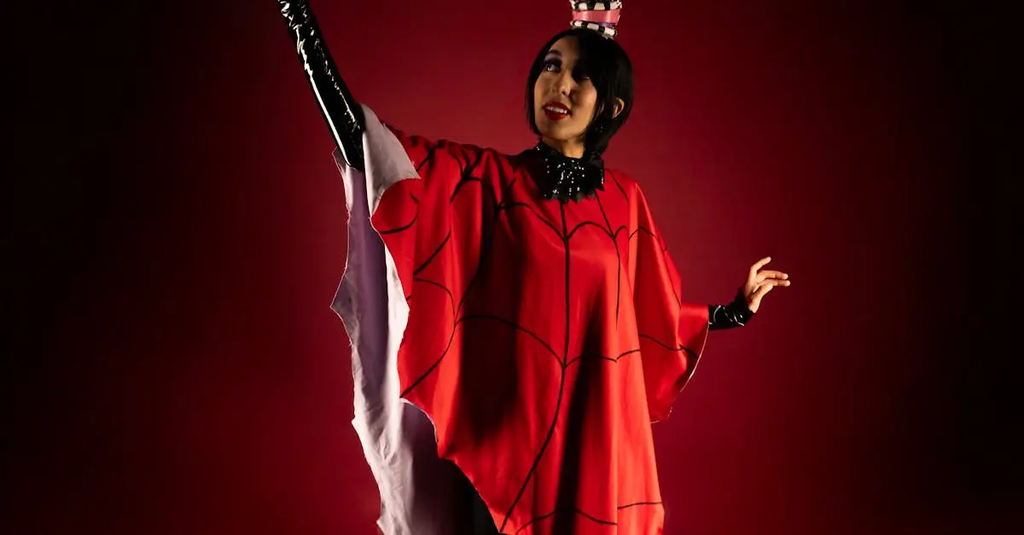
Jazz, Blues, and Early Rock Roots refers to the foundational musical genres that shaped modern popular music. Jazz brought improvisation and complex harmonies, while blues contributed emotional depth and expressive lyrics. Early rock combined these influences, adding energetic rhythms and youthful spirit. Together, they created a rich tapestry of sounds and styles, influencing countless artists and leading to the development of various musical genres that continue to resonate today.
Jazz, Blues, and Early Rock Roots
Jazz, Blues, and Early Rock Roots refers to the foundational musical genres that shaped modern popular music. Jazz brought improvisation and complex harmonies, while blues contributed emotional depth and expressive lyrics. Early rock combined these influences, adding energetic rhythms and youthful spirit. Together, they created a rich tapestry of sounds and styles, influencing countless artists and leading to the development of various musical genres that continue to resonate today.
💡 Key Takeaways
- Identify how improvisation in Jazz influenced melodies and solos in later popular music.
- Describe the role of Blues in shaping expressive lyrics, blue notes, and emotional tone.
- Explain how Early Rock merged Jazz and Blues with energetic rhythms and youthful energy.
- Trace the lineage from Jazz, Blues, and Early Rock to modern popular music genres.
❓ Frequently Asked Questions
What are the core influences of Jazz, Blues, and Early Rock Roots?
Jazz brought improvisation, swing feel, and complex harmonies; blues added emotional depth and expressive lyrics; early rock fused these with energetic rhythms and electric instruments, creating a new, youthful sound.
How did jazz influence early rock?
Jazz contributed improvisational ideas, extended harmonies, and horn/solo approaches that early rock adopted, blending spontaneity with a loud, driving beat.
What role did blues play in shaping modern popular music?
Blues provided emotional storytelling, distinctive blues notes, and simple patterns (like the 12-bar form) that underlie many rock, pop, and soul songs.
What does improvisation mean in jazz?
Improvisation is creating melodies on the spot within a tune’s chord changes, showcasing creativity and musical mastery.
How do jazz, blues, and early rock differ?
Jazz emphasizes improvisation and complex harmonies; blues centers on emotional expression and bluesy patterns; early rock blends these with high-energy, guitar-driven rhythms.