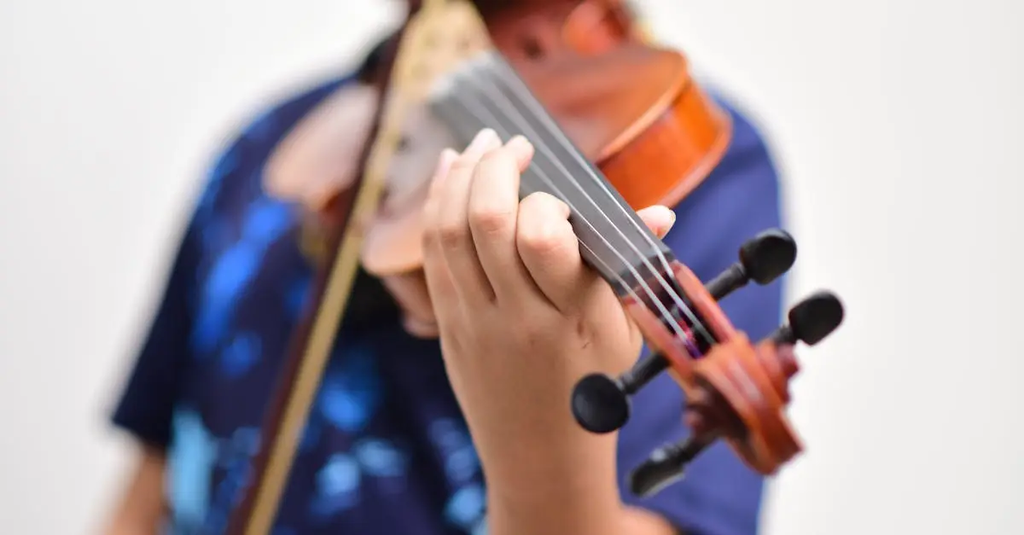
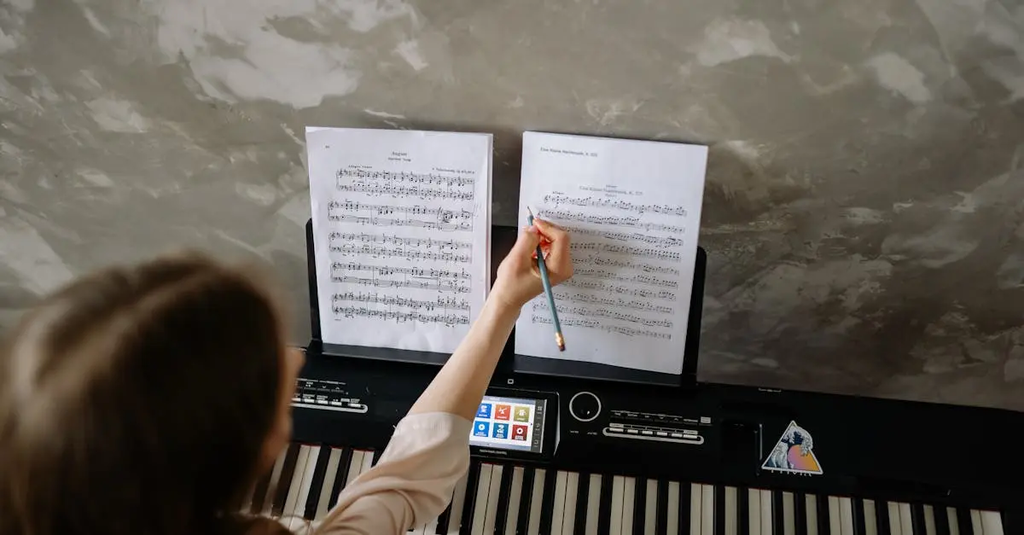
Jazz Harmony & Improvisation refers to the unique musical language and creative expression found in jazz. Harmony involves complex chord structures, extended chords, and unconventional progressions, while improvisation is the spontaneous creation of melodies and solos within those harmonies. Together, they form the foundation of jazz performance, enabling musicians to interact, respond, and innovate in real-time, making each performance distinct and dynamic within the performing arts and music realms.
Jazz Harmony & Improvisation
Jazz Harmony & Improvisation refers to the unique musical language and creative expression found in jazz. Harmony involves complex chord structures, extended chords, and unconventional progressions, while improvisation is the spontaneous creation of melodies and solos within those harmonies. Together, they form the foundation of jazz performance, enabling musicians to interact, respond, and innovate in real-time, making each performance distinct and dynamic within the performing arts and music realms.
💡 Key Takeaways
- Understand core jazz harmony: extended chords, tensions, and common progressions like ii–V–I.
- Improvise with scales, arpeggios, and chord tones that fit jazz harmony.
- Develop phrasing and motif development over standard forms (ii–V–I, 12-bar blues).
- Use voice-leading and chord-tone targeting for smooth improvisations.
❓ Frequently Asked Questions
What is jazz harmony?
Jazz harmony uses extended chords (7th, 9th, 11th, 13th) and functional progressions like ii–V–I, adding color and movement beyond plain triads.
What is a ii–V–I progression and why is it important?
It's a common jazz progression: ii7 leads to V7, which resolves to I. It creates a strong tonal pull and sets up the tonic for improvisation.
How do musicians improvise over chord progressions?
They select scales or modes that fit each chord (e.g., Dorian for ii7, Mixolydian for V7, Ionian for I), develop motifs, and use phrasing and approach notes to connect changes.
What are chord tones and approach notes in improvisation?
Chord tones are notes belonging to the current chord; approach notes are non‑chord tones approached by stepwise motion to land on a chord tone, creating tension and resolution.
What is a tritone substitution?
Replacing a dominant chord (V7) with the chord a tritone away (e.g., G7 → Db7) to alter color and voice leading while preserving functional tension.