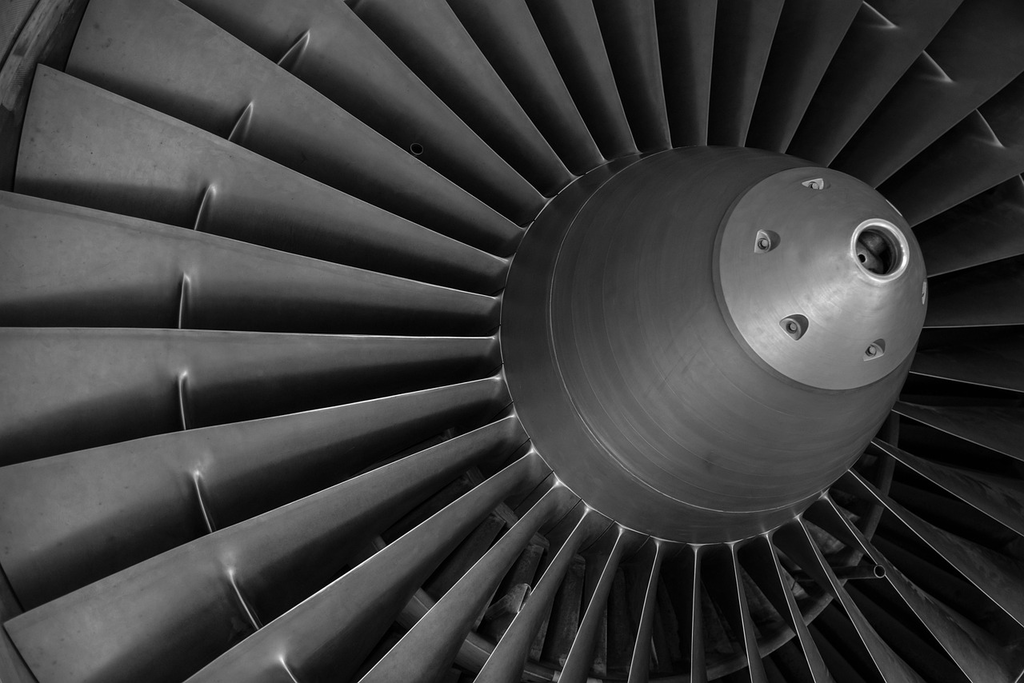
Jet engines are powerful machines that propel various vehicles, most notably airplanes, by expelling high-speed jets of air or exhaust gases. In the context of travel rides, jet engines revolutionized air travel by enabling planes to fly faster and more efficiently over long distances. While primarily used in aviation, their technology has inspired advancements in high-speed cars and experimental vehicles, making rapid, long-distance travel possible and transforming global transportation.
Jet Engines
Jet engines are powerful machines that propel various vehicles, most notably airplanes, by expelling high-speed jets of air or exhaust gases. In the context of travel rides, jet engines revolutionized air travel by enabling planes to fly faster and more efficiently over long distances. While primarily used in aviation, their technology has inspired advancements in high-speed cars and experimental vehicles, making rapid, long-distance travel possible and transforming global transportation.
💡 Key Takeaways
- Identify the main components of a jet engine (compressor, combustor, turbine, and nozzle) and describe their roles.
- Explain how air intake, compression, combustion, and exhaust produce thrust in a jet engine.
- Differentiate common jet engine types (turbojet, turbofan, turboprop, and ramjet) and where they are typically used.
- Summarize key factors that affect engine performance and efficiency, such as temperature, pressure, and fuel-air ratio, plus safety considerations.
❓ Frequently Asked Questions
What is a jet engine and what does it do?
A jet engine is a propulsion device that creates thrust by drawing in air, compressing it, burning fuel, and expelling high‑speed exhaust. The reaction pushes the aircraft forward.
What are the main types of jet engines and how do they differ?
Common air‑breathing types are turbojet (thrust from core exhaust) and turbofan (adds a large bypass fan for more thrust and efficiency). At very high speeds, ramjets and scramjets operate without a traditional compressor. Turboprops are gas‑turbine engines that drive a propeller rather than producing a pure jet.
What are the key components of a jet engine?
Intake/compressor, combustion chamber, turbine and nozzle. Turbofan engines also include a large front fan and a bypass duct.
How does a jet engine produce thrust?
By accelerating air backward through the engine. Air is compressed, mixed with fuel, burned, and expanded through a nozzle; the resulting high‑speed exhaust pushes the aircraft forward. In turbofans, the bypass air also contributes thrust.
What is bypass ratio and why does it matter?
Bypass ratio is the amount of air bypassing the core relative to air passing through it. Higher bypass ratios generally improve efficiency and reduce noise, with modern airliners typically using high bypass designs (often 8:1 to 12:1 or more).