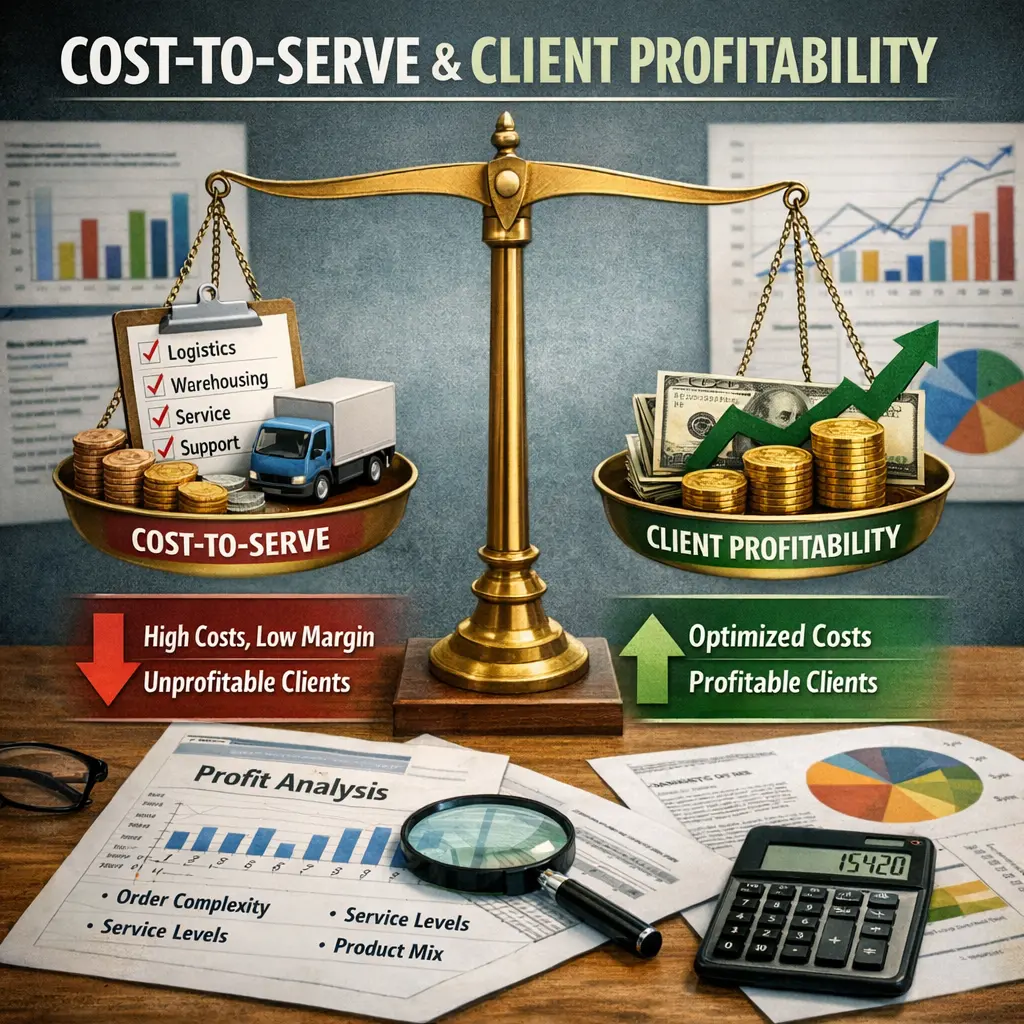
Job Costing Systems Setup involves establishing procedures and tools to track, allocate, and analyze costs associated with specific jobs or projects within a business. This financial management practice enables organizations to monitor expenses, labor, and materials for each job, ensuring accurate billing, profitability analysis, and informed decision-making. Proper setup supports effective budgeting, cost control, and compliance with accounting standards, ultimately enhancing business efficiency and financial performance.
Job Costing Systems Setup
Job Costing Systems Setup involves establishing procedures and tools to track, allocate, and analyze costs associated with specific jobs or projects within a business. This financial management practice enables organizations to monitor expenses, labor, and materials for each job, ensuring accurate billing, profitability analysis, and informed decision-making. Proper setup supports effective budgeting, cost control, and compliance with accounting standards, ultimately enhancing business efficiency and financial performance.

💡 Key Takeaways
- Understand the purpose and components of a job costing system (cost objects, categories, and overhead allocation).
- Learn how to set up cost categories (materials, labor, overhead) and assign rates to track costs by job.
- Set up data capture workflows (timesheets, BOMs, purchase orders) to accumulate job costs accurately.
- Learn how to compare estimated vs actual costs and calculate variances to improve bids and profitability.
- Create standard reports (job profitability, WIP, cost-to-complete) and dashboards for real-time insights.
❓ Frequently Asked Questions
What is a job costing system?
A system that assigns costs to individual jobs or orders to track profitability and control expenses.
What are the main cost components in job costing?
Direct materials, direct labor, and applied overhead that are tied to each specific job.
What are the typical steps to set up a job costing system?
Define job cost objects and cost categories, establish cost codes, set up time and materials tracking, and create a method to allocate overhead and generate reports.
How is overhead allocated to jobs?
Using a predetermined overhead rate or activity-based costing based on a chosen driver (e.g., direct labor hours, machine hours).