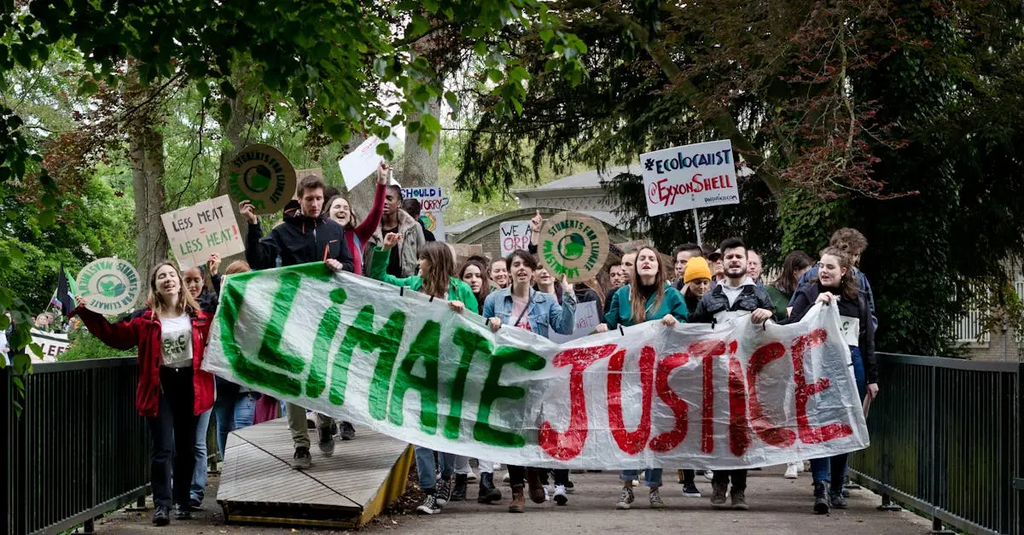
Just Transition and Equity in Climate Action refer to ensuring that the shift toward a low-carbon economy is fair and inclusive, protecting workers, communities, and vulnerable groups from negative impacts. It emphasizes creating new opportunities, supporting those affected by the transition, and addressing historical inequities. Equity ensures climate policies do not disproportionately burden marginalized populations, promoting social justice and equal access to benefits from climate solutions.
Just Transition and Equity in Climate Action
Just Transition and Equity in Climate Action refer to ensuring that the shift toward a low-carbon economy is fair and inclusive, protecting workers, communities, and vulnerable groups from negative impacts. It emphasizes creating new opportunities, supporting those affected by the transition, and addressing historical inequities. Equity ensures climate policies do not disproportionately burden marginalized populations, promoting social justice and equal access to benefits from climate solutions.
💡 Key Takeaways
- Define what a just transition means in climate action and why equity matters
- Identify who is affected by the shift to a low-carbon economy and how to protect workers, communities, and vulnerable populations
- Describe policy tools for a fair transition, such as retraining, social protections, and inclusive investment
- Evaluate real-world examples and challenges of implementing just transition and equity in climate action
❓ Frequently Asked Questions
What is a just transition in climate action?
A strategy to move to a low‑carbon economy that protects workers and communities, provides retraining and new job opportunities, and includes social protections for fairness.
How does equity influence climate policies?
Equity ensures the burdens and benefits of climate action are shared fairly, includes vulnerable groups in decision‑making, and addresses unequal impacts across communities and regions.
Who is typically protected or supported during a just transition?
Workers in high‑carbon industries, affected communities, Indigenous and marginalized groups, and fossil‑fuel-dependent regions, through retraining, income support, and new green jobs.
What policy measures help achieve a just transition?
Retraining programs, unemployment or income support, targeted investments in affected areas, inclusive governance, and safeguards for social and environmental justice.