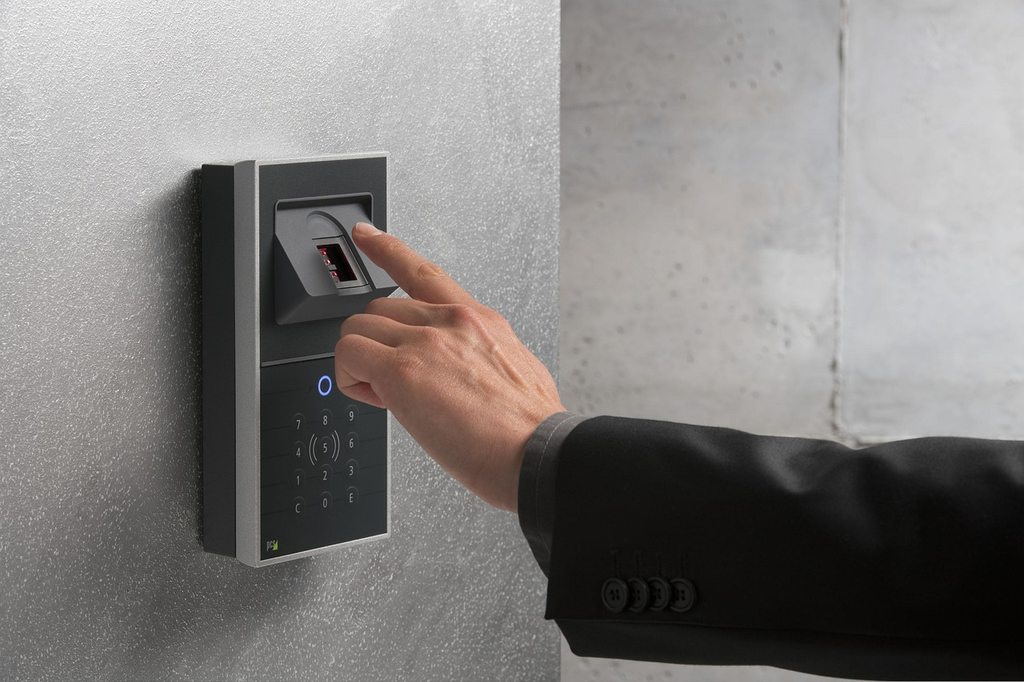
Key authentication methods refer to the techniques used to verify identity or grant access, often involving physical or digital keys. In daily essentials like clocks and keys, authentication ensures that only authorized individuals can access or control devices. Methods include traditional metal keys, electronic keycards, PIN codes, biometric scans, and smart locks, all designed to enhance security, convenience, and reliability in everyday life.
Key Authentication Methods
Key authentication methods refer to the techniques used to verify identity or grant access, often involving physical or digital keys. In daily essentials like clocks and keys, authentication ensures that only authorized individuals can access or control devices. Methods include traditional metal keys, electronic keycards, PIN codes, biometric scans, and smart locks, all designed to enhance security, convenience, and reliability in everyday life.

💡 Key Takeaways
- Identify common key-based authentication methods (public/private keys, certificates, and hardware security keys).
- Explain the benefits of passwordless and key-based authentication over traditional passwords.
- Compare typical use cases: SSH/API keys, and WebAuthn/FIDO2 for web sign-ins.
- Learn key management best practices: secure storage, rotation, revocation, and key lifecycle.
❓ Frequently Asked Questions
What is key-based authentication?
An identity verification method that uses a cryptographic key pair (public/private keys) rather than passwords. The private key stays with you; the public key is stored by the service.
How do SSH keys work for server login?
The server holds your public key; your client proves it owns the corresponding private key during login, often without a password (optionally protected by a passphrase).
What is API key authentication?
A secret token issued to an application or user. It must be included in requests to identify and authorize access, and it should be kept confidential and rotated regularly.
What is certificate-based authentication?
Authentication using digital certificates issued by a trusted authority. The client presents the certificate, which the service validates (commonly used in TLS/SSL).
What is hardware security key (FIDO2) authentication?
A physical device (like a USB/NFC key) that stores cryptographic keys and requires user interaction to authenticate, providing strong, phishing-resistant login.