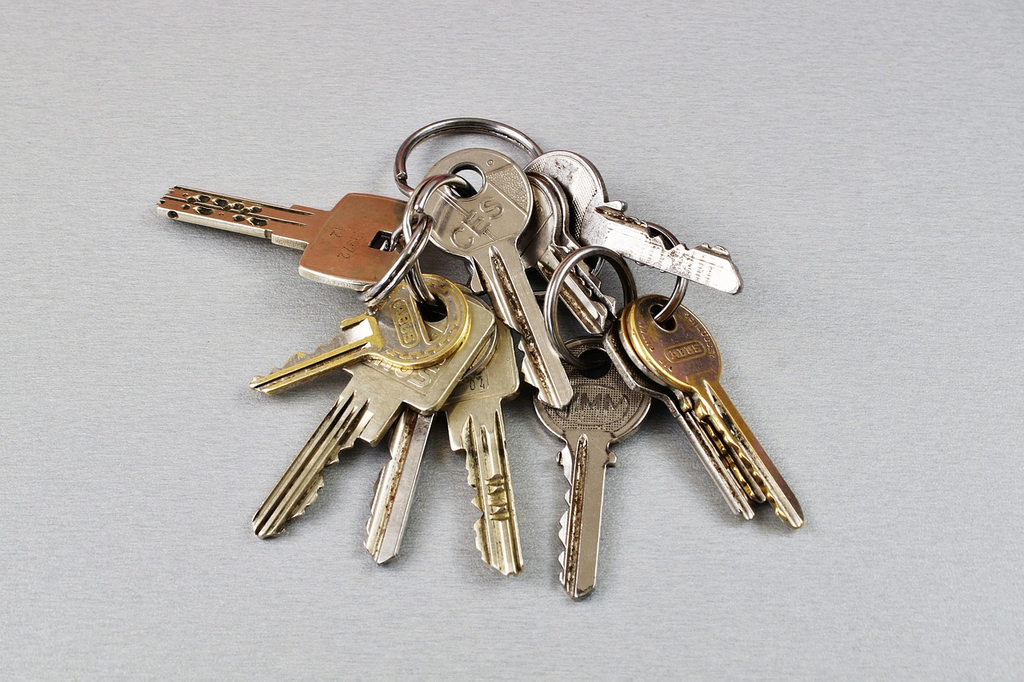
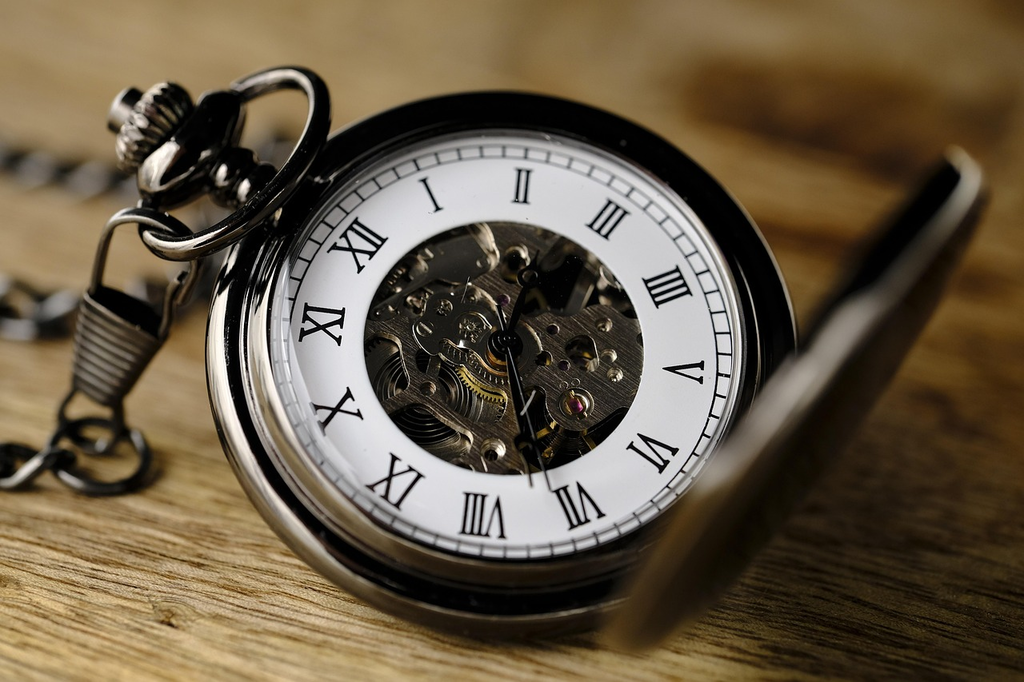
The key manufacturing process for daily essentials like clocks and keys involves precise engineering and quality materials. For keys, the process includes cutting and shaping metal blanks to match specific lock patterns using specialized machines. Clock manufacturing requires assembling intricate gears, springs, and electronic components to ensure accurate timekeeping. Both processes emphasize durability, precision, and functionality, ensuring these everyday items reliably serve their essential purposes in daily life.
Key Manufacturing Process
The key manufacturing process for daily essentials like clocks and keys involves precise engineering and quality materials. For keys, the process includes cutting and shaping metal blanks to match specific lock patterns using specialized machines. Clock manufacturing requires assembling intricate gears, springs, and electronic components to ensure accurate timekeeping. Both processes emphasize durability, precision, and functionality, ensuring these everyday items reliably serve their essential purposes in daily life.
💡 Key Takeaways
- Identify the key stages of a manufacturing process and how they interact.
- Explain how choosing different processes affects cost, throughput, and quality.
- Learn basic process optimization techniques such as process mapping and Lean concepts.
- Recognize safety, quality assurance, and regulatory considerations in manufacturing.
❓ Frequently Asked Questions
What is a manufacturing process?
A sequence of operations that converts raw materials into a finished product, using defined inputs, equipment, and parameters.
What is the difference between batch and continuous manufacturing?
Batch processes produce discrete lots in separate runs; continuous processes run without interruption to produce a steady stream, typically with higher throughput.
What is process control in manufacturing?
Monitoring and adjusting process variables (like temperature, pressure, and speed) to keep the process within targets and maintain quality.
Why is quality assurance important in manufacturing?
QA ensures products meet specifications, reduces defects, protects safety, and improves customer satisfaction.