Key risk indicators (KRIs) for AI are measurable metrics used to identify and monitor potential risks associated with artificial intelligence systems. They help organizations detect early warning signs of issues such as data bias, model drift, security vulnerabilities, and compliance breaches. By tracking KRIs, businesses can proactively manage and mitigate risks, ensuring AI systems remain reliable, ethical, and aligned with regulatory requirements throughout their lifecycle.
Key risk indicators (KRIs) for AI
Key risk indicators (KRIs) for AI are measurable metrics used to identify and monitor potential risks associated with artificial intelligence systems. They help organizations detect early warning signs of issues such as data bias, model drift, security vulnerabilities, and compliance breaches. By tracking KRIs, businesses can proactively manage and mitigate risks, ensuring AI systems remain reliable, ethical, and aligned with regulatory requirements throughout their lifecycle.
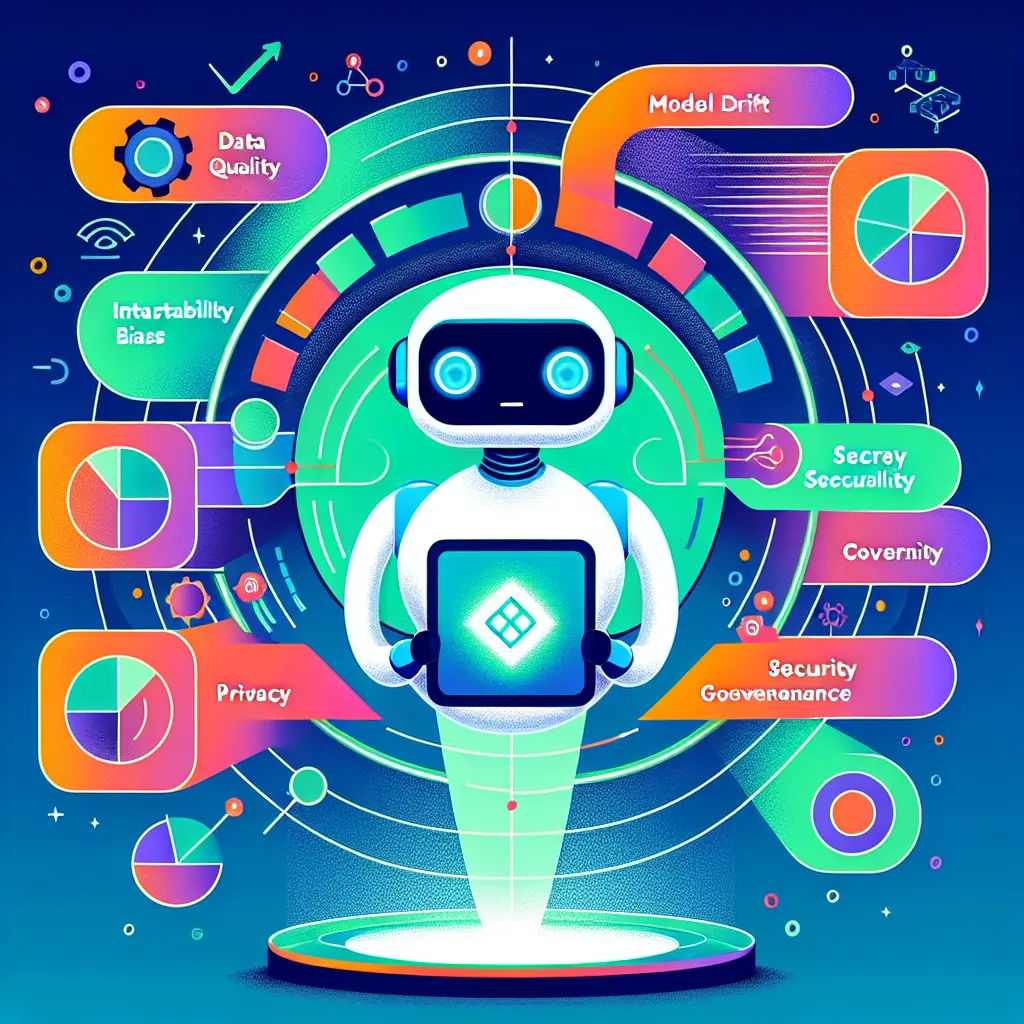
💡 Key Takeaways
- Define KRIs for AI and how they differ from performance metrics.
- Identify common AI KRIs, including data bias indicators, data quality, and dataset drift.
- Monitor security and compliance KRIs to detect vulnerabilities and regulatory breaches.
- Learn how to set thresholds, collect data, and govern KRIs for ongoing monitoring.
- Know how to respond to KRI alerts with investigation, remediation, and model updates.
❓ Frequently Asked Questions
What are KRIs in AI?
Key risk indicators (KRIs) are measurable metrics used to identify and monitor potential risks in AI systems, providing early warning signs for issues like bias, drift, security gaps, and compliance breaches.
Why are KRIs important for AI risk management?
KRIs enable proactive detection of problems, support governance and compliance, and help allocate resources to address the most significant AI risks before they escalate.
What are common KRIs for AI systems?
Examples include data-bias indicators (fairness metrics, representativeness), model-drift indicators (performance decay, feature distribution shifts), security indicators (vulnerability counts, failed login attempts), and compliance indicators (policy violations, data provenance, access controls).
How should an organization implement KRIs for AI?
Define a risk taxonomy, select measurable indicators aligned to risk appetite, set thresholds and alerts, establish data collection and monitoring processes, integrate with governance and incident response, and regularly review and update the KRIs.