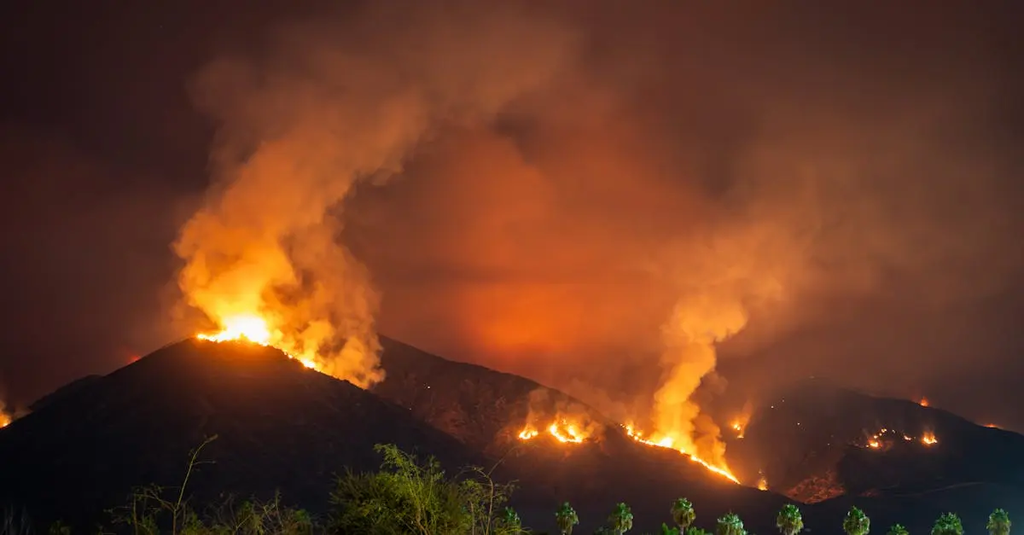
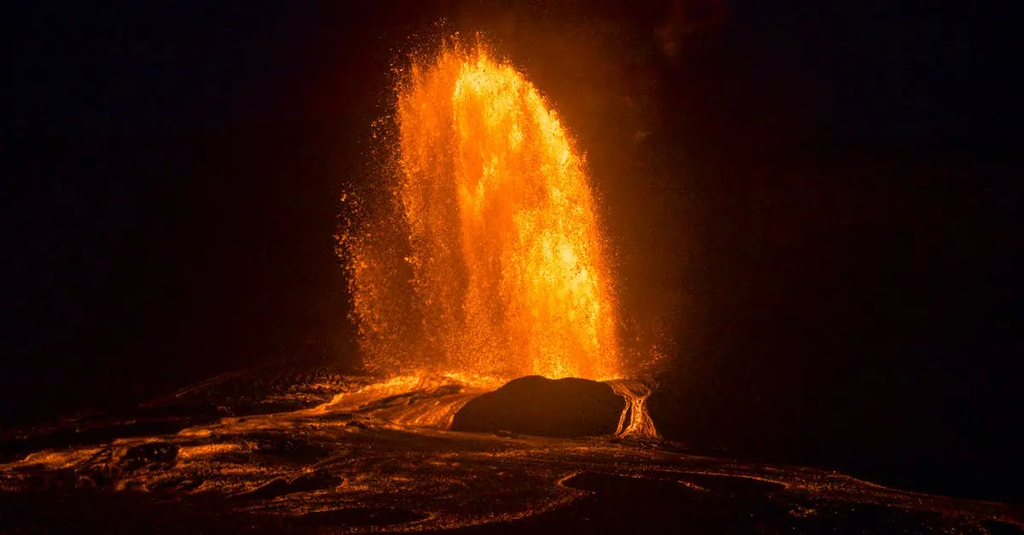
The 2018 Kilauea eruptions on Hawaii’s Big Island were marked by explosive volcanic activity, widespread lava flows, and significant hazards to nearby communities. Lava from fissures destroyed over 700 homes, reshaped the landscape, and created new land as it entered the ocean. The eruption also released hazardous gases, prompting evacuations and health warnings. These events highlighted the persistent threat Kilauea poses to residents and infrastructure in its vicinity.
Kilauea 2018 Eruptions and Lava Flow Hazards
The 2018 Kilauea eruptions on Hawaii’s Big Island were marked by explosive volcanic activity, widespread lava flows, and significant hazards to nearby communities. Lava from fissures destroyed over 700 homes, reshaped the landscape, and created new land as it entered the ocean. The eruption also released hazardous gases, prompting evacuations and health warnings. These events highlighted the persistent threat Kilauea poses to residents and infrastructure in its vicinity.
💡 Key Takeaways
- Describe the sequence of events in the 2018 Kilauea eruption, including summit activity, fissure eruptions, and lava flows.
- Explain how lava flows destroyed homes, reshaped the landscape, and created new land where lava entered the ocean.
- Identify the main hazards for nearby communities during the eruption (lava inundation, ash and vog, road closures, evacuations) and their impacts on daily life.
- Understand how scientists monitor eruptions and communicate risk to inform public safety decisions during volcanic crises.
❓ Frequently Asked Questions
What triggered the 2018 Kilauea eruptions?
A magmatic intrusion in Kilauea's East Rift Zone led to fissure eruptions in the Leilani Estates and widespread lava flows.
How many homes were destroyed by lava flows during the 2018 eruption?
Lava flows destroyed more than 700 homes and other structures.
What hazards did the eruption pose to nearby communities?
Hazards included lava flows that destroyed property and roads, ground cracking and earthquakes, and volcanic gases that created vog.
What happened when lava reached the ocean?
Lava entering the sea built new land and lava deltas, but the coastal features were unstable and produced dangerous steam explosions that could injure nearby people.