
Kimchi+50 
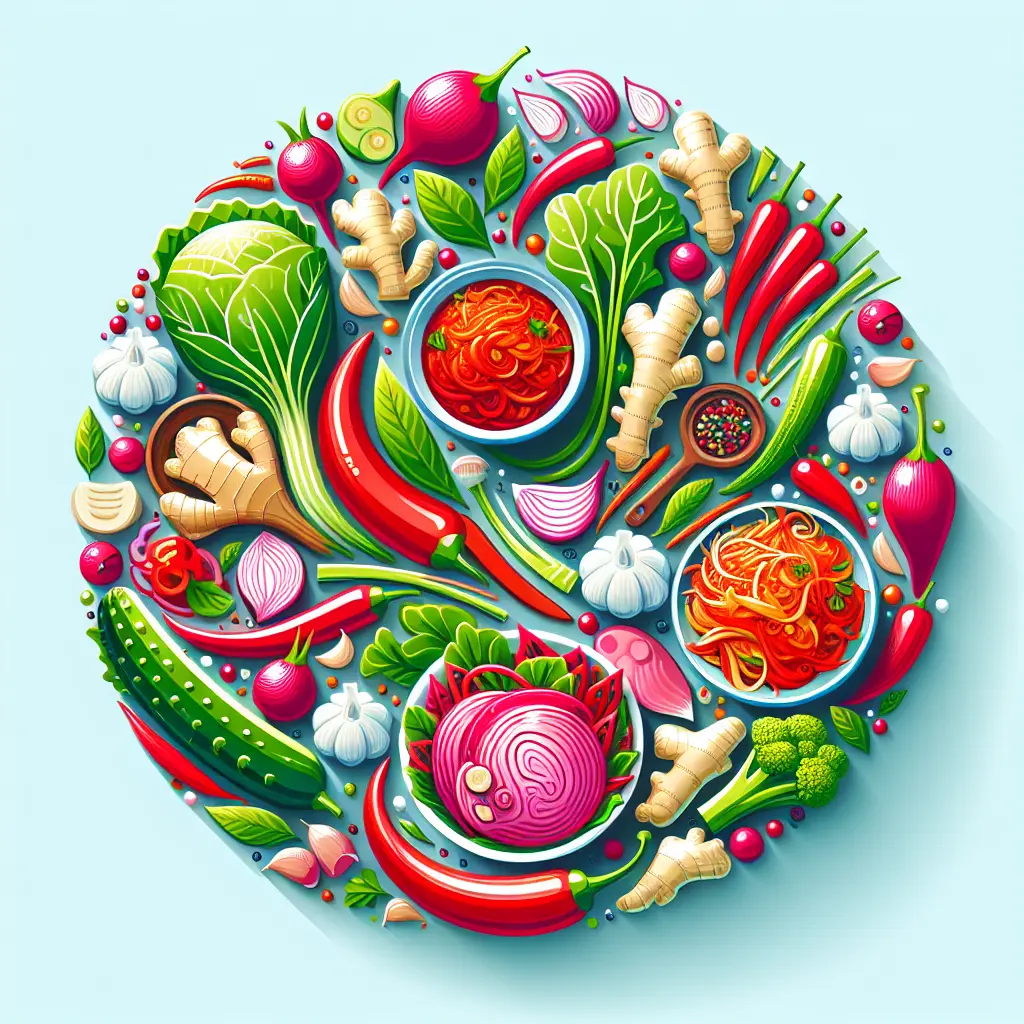
Kimchi is a traditional Korean side dish made from fermented vegetables, usually cabbage and radishes, seasoned with various spices and seasonings. It is known for its spicy and tangy flavor and is a staple in Korean cuisine. Kimchi is not only delicious but also packed with probiotics and nutrients, making it a popular and healthy choice for many.
Kimchi+50
Kimchi is a traditional Korean side dish made from fermented vegetables, usually cabbage and radishes, seasoned with various spices and seasonings. It is known for its spicy and tangy flavor and is a staple in Korean cuisine. Kimchi is not only delicious but also packed with probiotics and nutrients, making it a popular and healthy choice for many.
💡 Key Takeaways
- Understand what kimchi is and its role in Korean cuisine
- Learn how kimchi fermentation works and the bacteria involved
- Identify core ingredients and how seasoning affects flavor and texture
- Explore health benefits of kimchi, including probiotics and nutrients
- Recognize common kimchi variations and typical uses in meals
❓ Frequently Asked Questions
What is kimchi?
A traditional Korean side dish of salted, fermented vegetables—typically napa cabbage and radish—seasoned with chili pepper flakes, garlic, ginger, scallions, and salt; known for its spicy, tangy flavor.
What are the common ingredients in kimchi?
Core ingredients include napa cabbage (or radish), garlic, ginger, gochugaru (Korean chili flakes), scallions, and a salty seasoning like fish sauce or salted shrimp.
What does fermentation do in kimchi?
Fermentation uses lactic acid bacteria to convert sugars into lactic acid, preserving the vegetables and creating the characteristic tangy, probiotic-rich flavor.
Are there health benefits to kimchi?
Yes, kimchi provides probiotics, fiber, and vitamins; however, it can be high in sodium, so enjoy in moderation and keep it refrigerated to maintain quality.