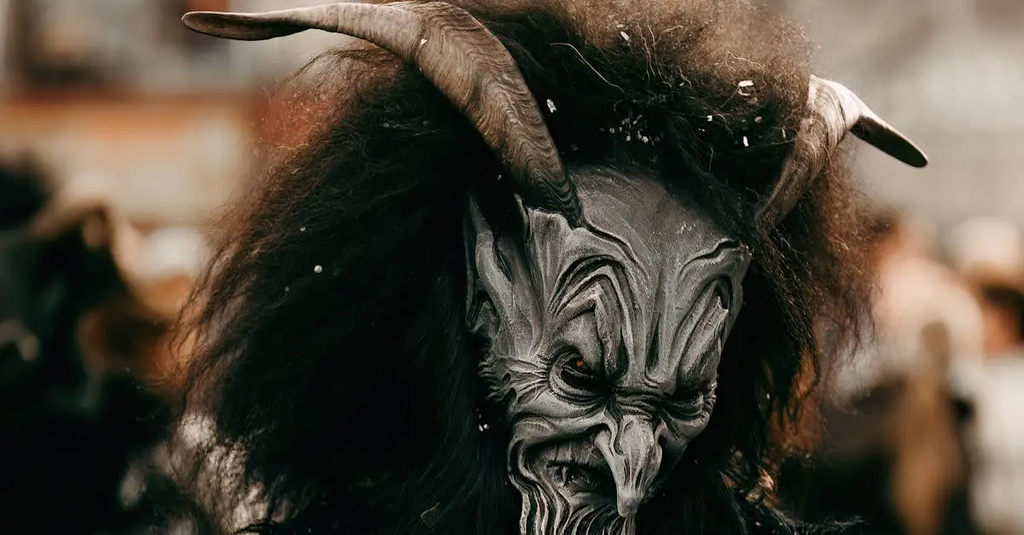
Krampus, Befana, and other folklore figures are mythical characters rooted in European traditions, often associated with winter holidays. Krampus, from Central Europe, is a horned creature who punishes naughty children, contrasting with Saint Nicholas. Befana, from Italian folklore, is a kindly witch who delivers gifts to children on Epiphany Eve. These figures reflect cultural beliefs, blending fear and reward to teach moral lessons and enrich festive celebrations with unique local customs.
Krampus, Befana, and Other Folklore Figures
Krampus, Befana, and other folklore figures are mythical characters rooted in European traditions, often associated with winter holidays. Krampus, from Central Europe, is a horned creature who punishes naughty children, contrasting with Saint Nicholas. Befana, from Italian folklore, is a kindly witch who delivers gifts to children on Epiphany Eve. These figures reflect cultural beliefs, blending fear and reward to teach moral lessons and enrich festive celebrations with unique local customs.
💡 Key Takeaways
- Learn who Krampus and Befana are and their roles within winter holiday folklore.
- Differentiate Krampus's punitive role from Befana's gift-giving benevolence and their relationship to Saint Nicholas.
- Identify the regional origins of these figures (Central Europe for Krampus, Italy for Befana) and their historical roots.
- Explore how these legends reflect cultural values around discipline, generosity, and morality.
- See how modern media and contemporary celebrations keep these figures alive in today’s culture.
❓ Frequently Asked Questions
What is Krampus and where does this figure come from?
Krampus is a horned, beastly figure from Alpine Central Europe who punishes naughty children; traditionally paired with Saint Nicholas.
How do Krampus and Saint Nicholas relate in folklore?
Saint Nicholas rewards well-behaved children, while Krampus punishes those who misbehave; they are commonly celebrated together around early December.
Who is Befana and what does she do?
Befana is an Italian folklore witch who delivers gifts to children on Epiphany (January 6); she brings sweets and gifts to good kids and coal to naughty ones.
When are these traditions celebrated in the calendar?
Krampusnacht is on December 5 (the night before Saint Nicholas Day), and Befana’s gift-giving occurs on Epiphany, January 6.
What is the broader purpose of these figures?
They add magical storytelling to winter holidays and teach moral lessons about behavior during the season.