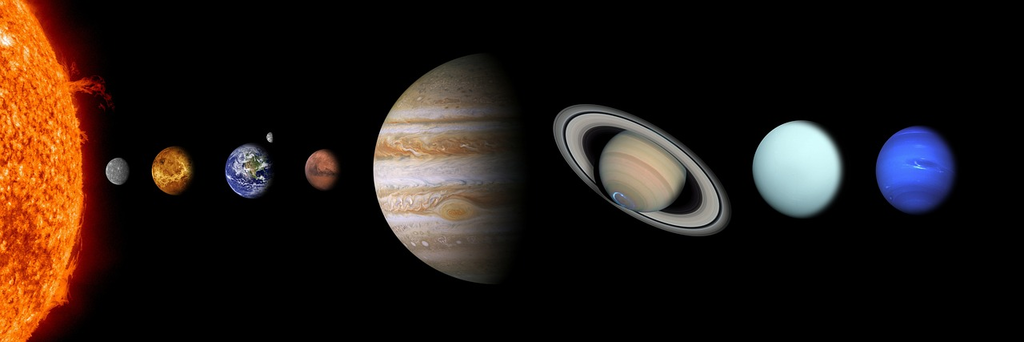
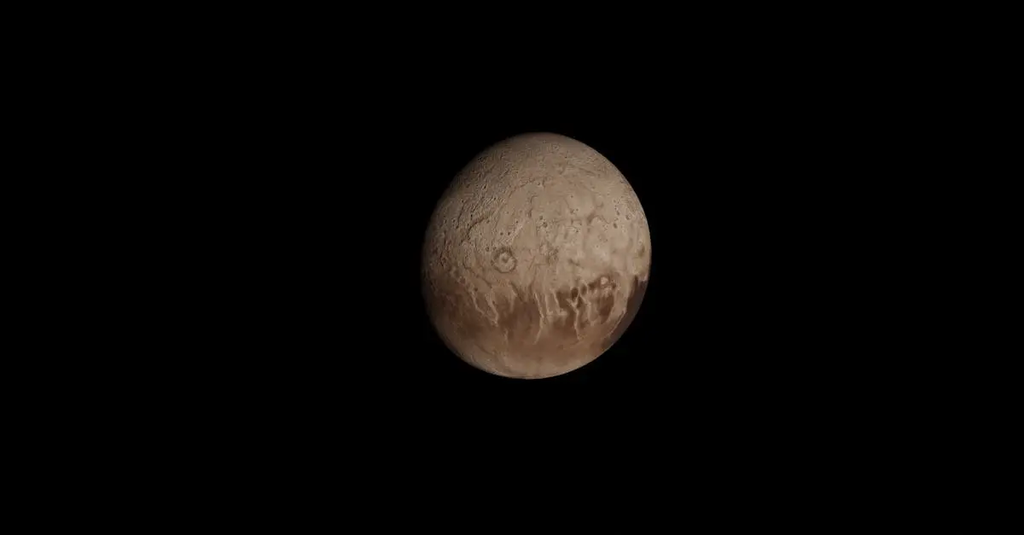
The Kuiper Belt and Oort Cloud are two distant regions of our solar system filled with icy bodies and remnants from its formation. The Kuiper Belt lies just beyond Neptune’s orbit and contains dwarf planets like Pluto. Farther out, the Oort Cloud is a vast, spherical shell surrounding the solar system, believed to be the source of long-period comets. Both regions offer clues about the early solar system’s history and evolution.
Kuiper Belt and Oort Cloud
The Kuiper Belt and Oort Cloud are two distant regions of our solar system filled with icy bodies and remnants from its formation. The Kuiper Belt lies just beyond Neptune’s orbit and contains dwarf planets like Pluto. Farther out, the Oort Cloud is a vast, spherical shell surrounding the solar system, believed to be the source of long-period comets. Both regions offer clues about the early solar system’s history and evolution.
💡 Key Takeaways
- Distinguish the Kuiper Belt (a flat disk beyond Neptune) from the Oort Cloud (a distant, spherical shell around the solar system).
- Identify typical objects in each region: Kuiper Belt Objects (icy bodies and dwarf planets) and Oort Cloud bodies that become long-period comets.
- Compare their orbits and distances: Kuiper Belt objects have relatively circular orbits at ~30–55 AU, while Oort Cloud objects have highly elliptical, randomly oriented orbits from ~2,000 to 100,000 AU.
- Understand their origin and significance: they are remnants of solar system formation and major sources of comets entering the inner solar system.
❓ Frequently Asked Questions
What is the Kuiper Belt?
A disk-shaped region beyond Neptune, 30–55 AU from the Sun, full of icy bodies called Kuiper Belt Objects (KBOs) and dwarf planets like Pluto. It’s a source of many short-period comets.
What is the Oort Cloud?
A distant, roughly spherical shell of icy bodies surrounding the Solar System, estimated from about 2,000 to 100,000 AU (up to ~1 light-year). It’s the suspected source of long-period comets; not directly observed.
How do the Kuiper Belt and Oort Cloud differ?
Kuiper Belt: flat, disk-like region near the ecliptic (30–55 AU) hosting short-period comets. Oort Cloud: distant, spherical shell (thousands to tens of thousands of AU) that likely supplies long-period comets.
How were they discovered or inferred?
Kuiper Belt: predicted and then confirmed with the discovery of the first KBO in 1992 (1992 QB1) by Jewitt & Luu. Oort Cloud: proposed by Jan Oort in 1950 based on long-period comet orbits; inferred indirectly, not yet directly observed.