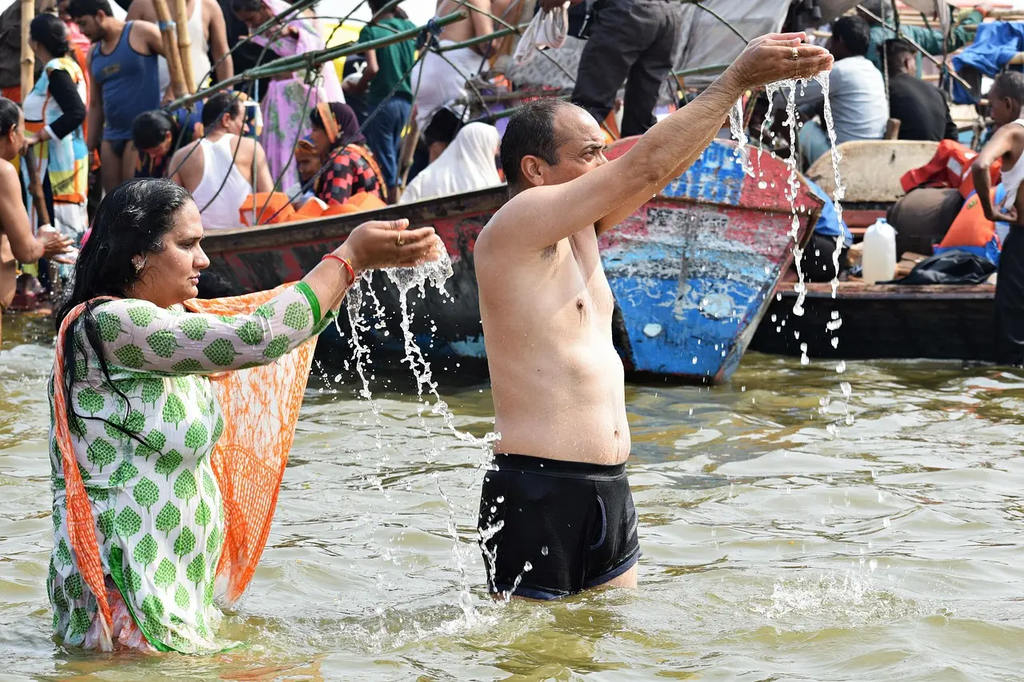
Kumbh Mela Mega-Gatherings refer to the massive Hindu religious festivals held periodically at four sacred river locations in India. Millions of devotees, sadhus, and tourists converge to bathe in holy rivers, seeking spiritual cleansing and blessings. Renowned for their scale, these gatherings are among the world’s largest peaceful congregations, featuring rituals, processions, and cultural events, symbolizing unity, faith, and the vibrant diversity of Indian spiritual traditions.
Kumbh Mela Mega-Gatherings
Kumbh Mela Mega-Gatherings refer to the massive Hindu religious festivals held periodically at four sacred river locations in India. Millions of devotees, sadhus, and tourists converge to bathe in holy rivers, seeking spiritual cleansing and blessings. Renowned for their scale, these gatherings are among the world’s largest peaceful congregations, featuring rituals, processions, and cultural events, symbolizing unity, faith, and the vibrant diversity of Indian spiritual traditions.
💡 Key Takeaways
- Identify what Kumbh Mela Mega-Gatherings are and the four sacred river locations (Hardwar, Prayagraj, Nashik, Ujjain) where they are held.
- Describe the main rituals and participants (ritual bathing in holy rivers, sadhus and pilgrims, and the quest for spiritual cleansing and blessings).
- Learn how the festival timing is determined (the 12-year Kumbh cycle, Ardh Kumbh every 6 years, and related astronomical/calendar factors).
- Discuss the broader impact and logistics (effects on local communities and economies, safety, crowd management, and environmental considerations).
❓ Frequently Asked Questions
What is Kumbh Mela?
A major Hindu religious festival held at four sacred river sites in India, where millions gather to bathe in holy rivers, offer prayers, and participate in rituals; celebrated for its spiritual significance and massive scale.
Where are the four Kumbh Mela sites and which rivers are involved?
Prayagraj (Allahabad) at the confluence of the Ganges, Yamuna, and Saraswati; Haridwar on the Ganges; Nashik on the Godavari; Ujjain on the Shipra.
What activities typically happen at Kumbh Mela?
Ritual bathing on auspicious days, prayers and scripture readings, devotional singing, processions, lectures, and large-scale charitable feeding and shelter for attendees.
How big is the gathering and is it internationally recognized?
It draws millions of participants, including devotees, sadhus, and visitors. UNESCO recognizes Kumbh Mela as Intangible Cultural Heritage of Humanity (inscribed in 2013).