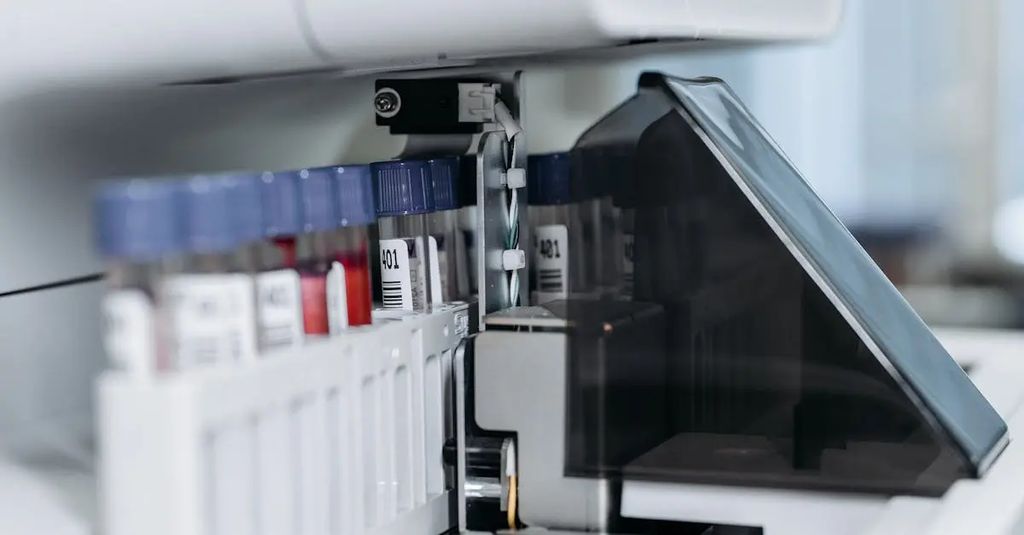
Lab Skills Basics refers to the fundamental techniques and practices required to work effectively and safely in a laboratory setting. These skills include proper handling and use of laboratory equipment, accurate measurement and mixing of chemicals, understanding safety protocols, maintaining cleanliness, and correctly recording data. Mastery of these basics ensures reliable experimental results, minimizes risks, and forms the foundation for more advanced scientific work and research activities.
Lab Skills Basics
Lab Skills Basics refers to the fundamental techniques and practices required to work effectively and safely in a laboratory setting. These skills include proper handling and use of laboratory equipment, accurate measurement and mixing of chemicals, understanding safety protocols, maintaining cleanliness, and correctly recording data. Mastery of these basics ensures reliable experimental results, minimizes risks, and forms the foundation for more advanced scientific work and research activities.
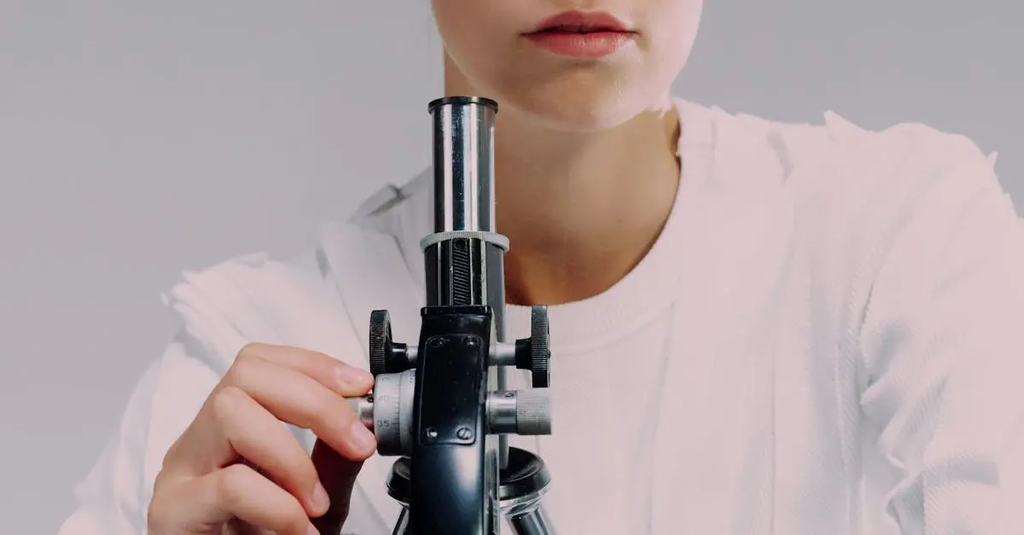
💡 Key Takeaways
- Safely handle and operate common laboratory equipment (pipettes, beakers, balances) and follow proper setup procedures.
- Accurately measure volumes and mix chemicals to ensure reproducible and safe results.
- Apply essential safety protocols, including personal protective equipment, chemical hygiene, and spill response.
- Maintain a clean, organized workspace with proper labeling, waste disposal, and routine equipment maintenance.
❓ Frequently Asked Questions
What are the core Lab Skills Basics every student should know?
Fundamentals include proper handling and use of lab equipment, accurate measurement and mixing of chemicals, and following safety protocols.
How should you handle and store laboratory equipment to stay safe?
Inspect equipment before use, wear appropriate PPE, handle glassware carefully, report damage, and store items properly after use.
How do you measure chemicals accurately in a lab?
Use calibrated tools (pipettes, burettes, graduated cylinders), read the meniscus at eye level, and record precise measurements to avoid contamination.
What safety protocols should you follow in the lab?
Wear PPE, know emergency procedures, label and dispose of wastes correctly, never eat or drink in the lab, and follow the chemical hygiene plan.
Why is cleanliness and organization important in a lab?
A tidy workspace reduces accidents, improves reproducibility, prevents cross-contamination, and makes tools and reagents easy to find.