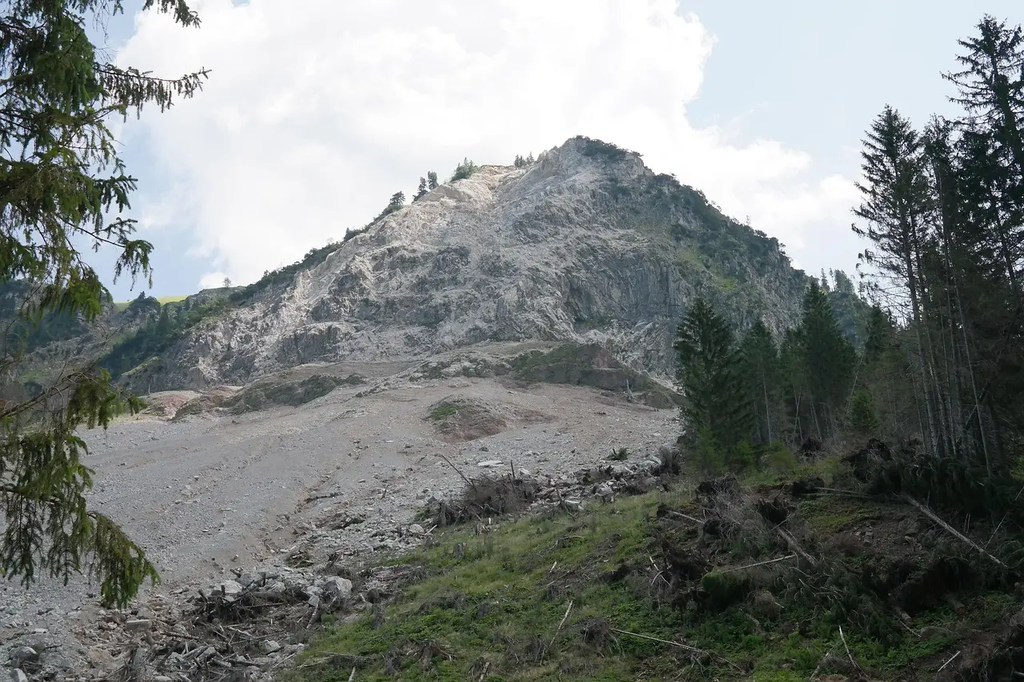
Landslides and mudflows are natural disasters involving the rapid movement of soil, rocks, and debris down a slope. Landslides typically occur when gravity overcomes the stability of a hillside, often after heavy rainfall or earthquakes. Mudflows, a specific type of landslide, involve a fast-moving mixture of water and earth, creating a slurry that can sweep away everything in its path. Both pose significant risks to life, property, and the environment.
Landslides and Mudflows
Landslides and mudflows are natural disasters involving the rapid movement of soil, rocks, and debris down a slope. Landslides typically occur when gravity overcomes the stability of a hillside, often after heavy rainfall or earthquakes. Mudflows, a specific type of landslide, involve a fast-moving mixture of water and earth, creating a slurry that can sweep away everything in its path. Both pose significant risks to life, property, and the environment.
💡 Key Takeaways
- Define landslides and mudflows and explain how gravity, heavy rainfall, and earthquakes trigger them.
- Differentiate landslides from mudflows by speed, water content, and debris involved.
- Identify common warning signs of slope instability and weather-related risk factors.
- Learn safety steps and preparedness, including early warnings and land-use planning.
❓ Frequently Asked Questions
What are landslides and mudflows?
Landslides are rapid downslope movements of soil, rock, and debris driven by gravity. Mudflows are a type of landslide where saturated sediment behaves like flowing mud and moves quickly with water and debris.
What triggers landslides and mudflows?
Triggers include heavy rainfall, rapid snowmelt, earthquakes, volcanic activity, and human activities that loosen soil or destabilize slopes.
How do landslides and mudflows differ?
Landslides move as a solid mass, while mudflows are a fluid, water-saturated mixture that can flow over longer distances.
What should you do during a landslide or mudflow?
Evacuate to higher ground away from slopes and rivers if advised, avoid debris-covered roads, and follow official instructions. If indoors, protect yourself from falling objects and stay away from windows.
How can communities reduce landslide risk?
Use slope stabilization, proper drainage, and vegetation to anchor soil; enforce land-use rules for unstable areas; implement early warning systems and clear evacuation plans.