Large-scale crowd psychology refers to the study of how the thoughts, emotions, and behaviors of individuals are influenced and transformed when they are part of very large groups. It examines phenomena such as collective decision-making, emotional contagion, group identity, and the spread of behaviors or ideas. This field helps explain events like mass protests, riots, or public celebrations, highlighting how individual actions can be shaped by the dynamics and atmosphere of the crowd.
Large-Scale Crowd Psychology
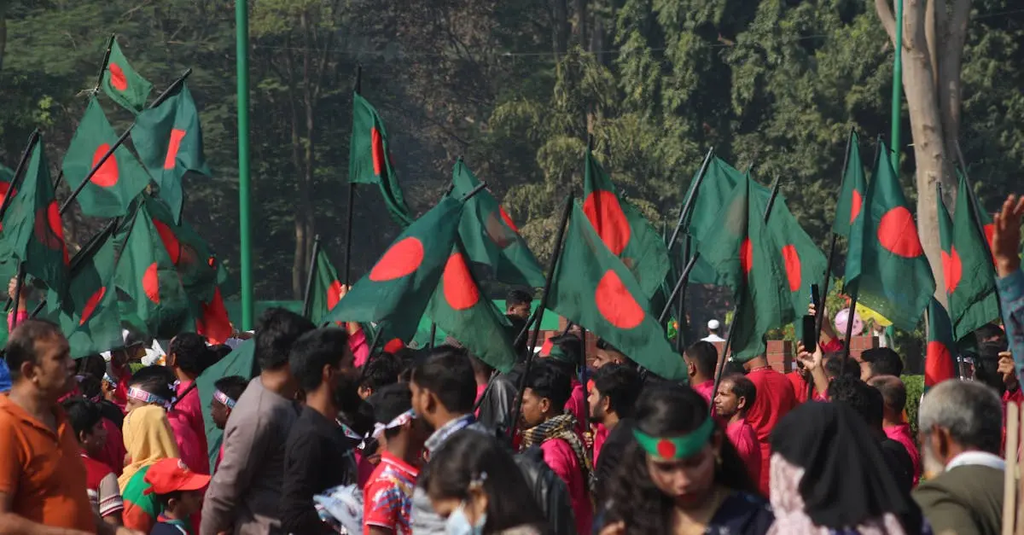
Large-scale crowd psychology refers to the study of how the thoughts, emotions, and behaviors of individuals are influenced and transformed when they are part of very large groups. It examines phenomena such as collective decision-making, emotional contagion, group identity, and the spread of behaviors or ideas. This field helps explain events like mass protests, riots, or public celebrations, highlighting how individual actions can be shaped by the dynamics and atmosphere of the crowd.
💡 Key Takeaways
- How individuals' thoughts, emotions, and behaviors shift in very large groups.
- How crowds form collective decisions that may differ from individual choices.
- How emotions spread through crowds (emotional contagion) and drive actions.
- How group identity and social norms guide behavior during large celebrations like hens, stag, and party nights.
- How these insights apply to safety and crowd management to prevent escalation and encourage positive conduct.
❓ Frequently Asked Questions
What is large-scale crowd psychology?
The study of how individuals’ thoughts, emotions, and actions are shaped when they are part of very large groups, focusing on collective decisions and emergent group patterns.
What mechanisms drive influence in large crowds?
Conformity, social proof (following others’ behavior), leadership cues, and shared emotions that spread through the group.
What is emotional contagion and how does it affect behavior at big events?
It's the spread of moods between people, causing the crowd to become collectively more excited, anxious, or calmer, which can change how people act.
How do group identity and norms shape behavior at hen, stag, or party nights?
A shared identity creates expectations and norms that guide what is considered acceptable or fun, influencing participants’ choices and actions.