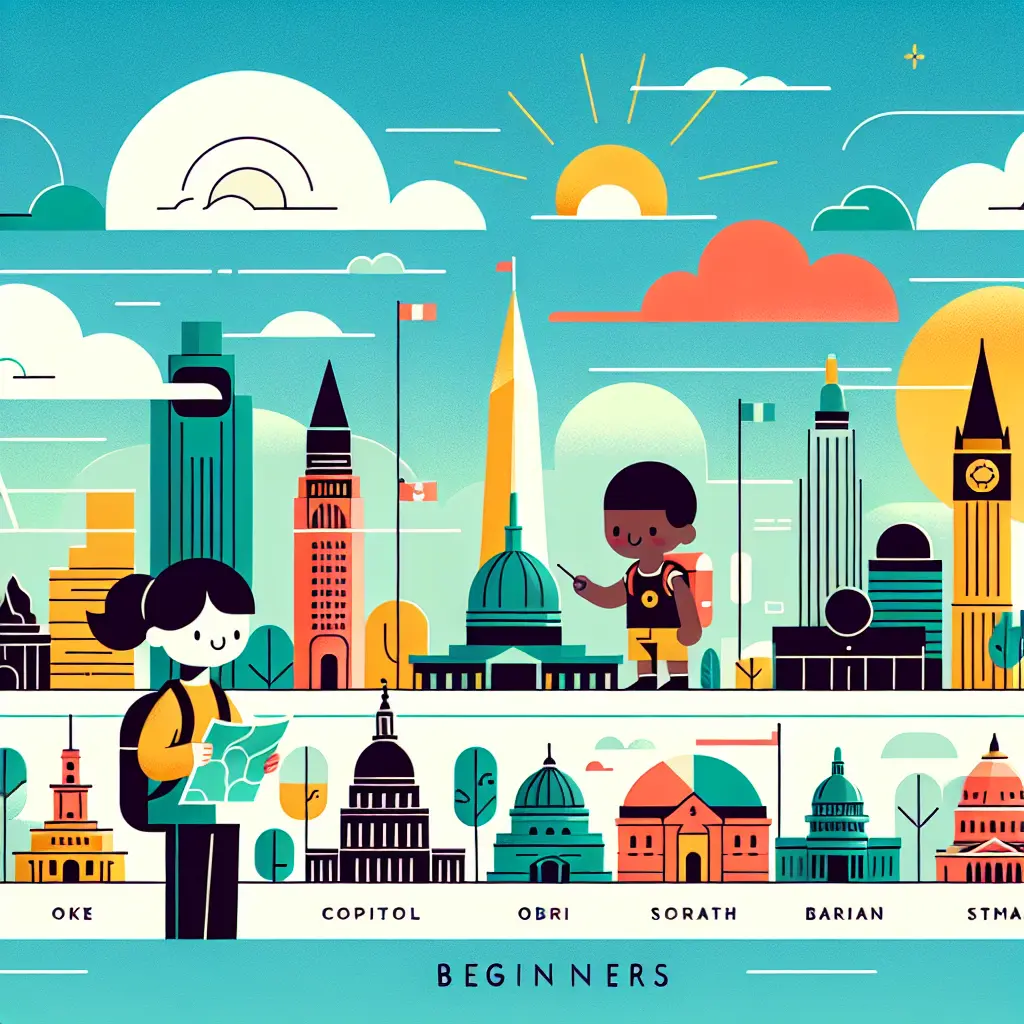
The phrase "Largest Cities Versus Official Capitals" highlights the distinction between a country's most populous city and its designated capital. Often, the largest city serves as the economic or cultural hub, while the official capital is the political center where government institutions are based. In some countries, these roles overlap, but in others, they are separate, reflecting historical, administrative, or strategic considerations in national development and governance.
Largest Cities Versus Official Capitals
The phrase "Largest Cities Versus Official Capitals" highlights the distinction between a country's most populous city and its designated capital. Often, the largest city serves as the economic or cultural hub, while the official capital is the political center where government institutions are based. In some countries, these roles overlap, but in others, they are separate, reflecting historical, administrative, or strategic considerations in national development and governance.
💡 Key Takeaways
- Understand the difference between a country's largest city (population and economic hub) and its official capital (seat of government).
- Explore why capitals may not be the largest city, including historical decisions, planned capitals, and political considerations.
- Identify real-world examples where the capital differs from the largest city (e.g., Brasília vs São Paulo; Washington, D.C. vs New York; Canberra vs Sydney; Ottawa vs Toronto; New Delhi vs Mumbai).
- Use map-reading skills to distinguish capitals from largest cities and consider implications for governance, economy, and tourism.
❓ Frequently Asked Questions
What is the difference between the largest city and the official capital of a country?
The largest city is the most populous city (often the economic or cultural hub). The official capital is where the government is seated or where state institutions reside. They can be different.
How is 'largest city' usually determined in geography quizzes?
It's typically based on the population within the city proper (administrative boundaries). Some sources use metropolitan or urban area populations, so check the quiz rules.
Can you name a few countries where the largest city is not the capital?
Yes. Examples include: Nigeria (largest Lagos; capital Abuja), United States (largest New York City; capital Washington, D.C.), Australia (largest Sydney; capital Canberra), Philippines (largest Quezon City; capital Manila), Canada (largest Toronto; capital Ottawa).
Why do some countries have a capital that is not the largest city?
Capitals are often chosen for political or strategic reasons—central location, security, governance needs—or to promote development in other regions. Examples: Nigeria moved the capital to Abuja to ease Lagos’ congestion; Australia built Canberra as a neutral, central capital.