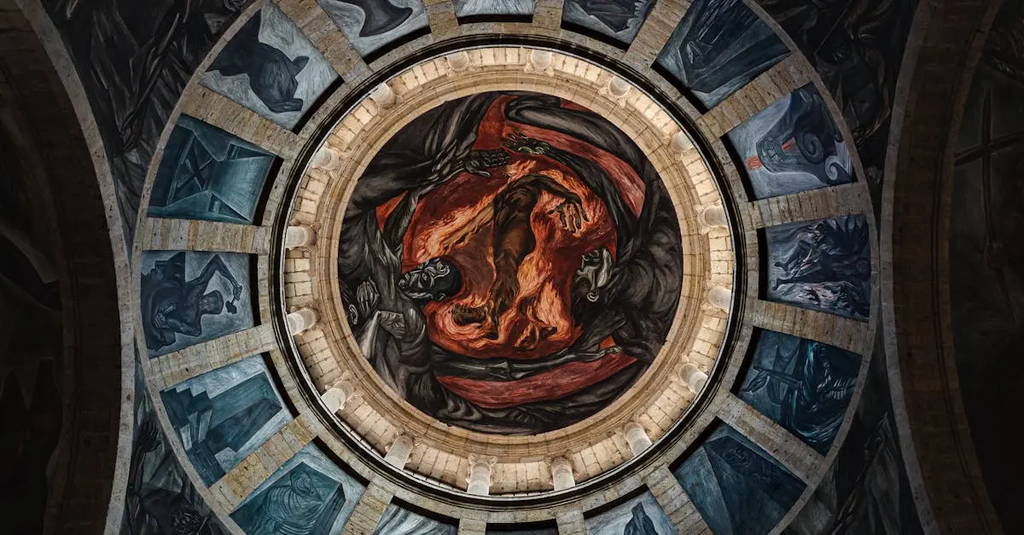
Latin American Modern & Contemporary art refers to artistic movements and practices in Latin America from the early 20th century to the present. It encompasses diverse styles such as Muralism, Constructivism, Surrealism, and Neo-Concrete art, reflecting unique cultural, political, and social contexts. Artists like Diego Rivera and Tarsila do Amaral redefined identity and heritage, while contemporary creators address globalization, memory, and social justice, contributing significantly to global art discourse.
Latin American Modern & Contemporary
Latin American Modern & Contemporary art refers to artistic movements and practices in Latin America from the early 20th century to the present. It encompasses diverse styles such as Muralism, Constructivism, Surrealism, and Neo-Concrete art, reflecting unique cultural, political, and social contexts. Artists like Diego Rivera and Tarsila do Amaral redefined identity and heritage, while contemporary creators address globalization, memory, and social justice, contributing significantly to global art discourse.

💡 Key Takeaways
- Identify key milestones and notable artists in Latin American modern and contemporary art.
- Explain how political and social contexts in Latin America shaped its art movements.
- Recognize major movements and themes (muralism, geometric abstraction, magical realism, contemporary practices).
- Compare how different regions (Mexico, Brazil, Argentina, Caribbean, Andean) developed distinct art trajectories.
- Explain how contemporary Latin American artists engage with global networks, media, and social issues.
❓ Frequently Asked Questions
What is Latin American Modern & Contemporary art?
Art created in Latin American countries from the early 20th century to today, blending European modernist ideas with regional history, culture, and politics.
Who are some key artists to know?
Frida Kahlo and Diego Rivera (Mexico), Tarsila do Amaral (Brazil), Joaquín Torres-García (Uruguay), and Wifredo Lam (Cuba) illustrate muralism, abstraction, and hybrid styles.
What themes recur in Latin American contemporary art?
Identity, postcolonial history, social justice, migration, urban life, and Indigenous or Afro-descendant heritage.
What are defining movements or approaches within Latin American modern art?
Mexican Muralism; Brazilian Modernism (1922); Constructivist-influenced regional art; Afro-Indigenous and magical-realist influences; and contemporary multimedia and installation practices.