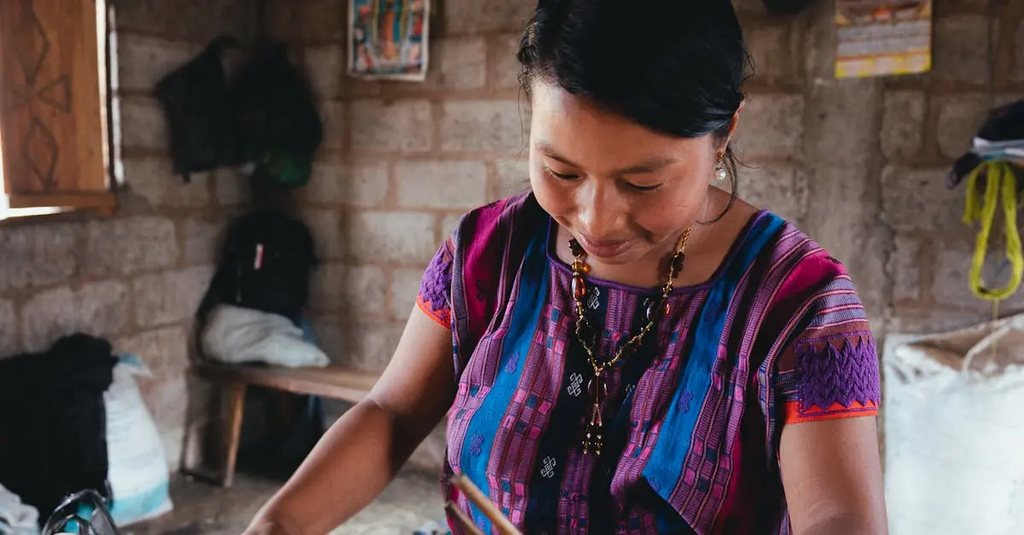
Latin American textiles encompass a rich tradition of weaving, embroidery, and dyeing developed by indigenous cultures across Central and South America. These textiles often feature vibrant colors, intricate patterns, and symbolic motifs reflecting local beliefs, history, and nature. Techniques and styles vary by region, from Peruvian alpaca weavings to Guatemalan huipils, blending ancient practices with contemporary influences. Today, Latin American textiles represent both cultural heritage and artistic expression, valued worldwide for their beauty and craftsmanship.
Latin American Textiles
Latin American textiles encompass a rich tradition of weaving, embroidery, and dyeing developed by indigenous cultures across Central and South America. These textiles often feature vibrant colors, intricate patterns, and symbolic motifs reflecting local beliefs, history, and nature. Techniques and styles vary by region, from Peruvian alpaca weavings to Guatemalan huipils, blending ancient practices with contemporary influences. Today, Latin American textiles represent both cultural heritage and artistic expression, valued worldwide for their beauty and craftsmanship.
💡 Key Takeaways
- Understand core Latin American textile techniques (e.g., backstrap loom weaving, embroidery, dyeing) and how they create fabric and patterns.
- Recognize how vibrant colors and intricate motifs reflect local beliefs, history, nature, and social identity.
- Explore common symbolic motifs (e.g., maize, animals, chakana) and their meanings across regions.
- See how traditional textile arts have influenced fashion and styling across decades, blending heritage with modern design.
❓ Frequently Asked Questions
What are Latin American textiles?
Textiles produced by Indigenous communities across Central and South America, created through weaving, embroidery, and dyeing; they feature bright colors, intricate patterns, and motifs that reflect local beliefs, history, and nature.
What weaving techniques are common in these traditions?
Backstrap loom weaving is widespread, often accompanied by regional embroidery and the use of pedal looms for more complex patterns.
What dyes are traditionally used in Latin American textiles?
Natural dyes such as cochineal (red), indigo (blue), and annatto/achiote (orange) are used, along with other plant-based colorants.
What are some iconic textile items from Latin America?
Examples include the Guatemalan and Mexican huipils, Mexican rebozos, Andean ponchos and serapes, and mochila bags from Andean and Amazonian regions.