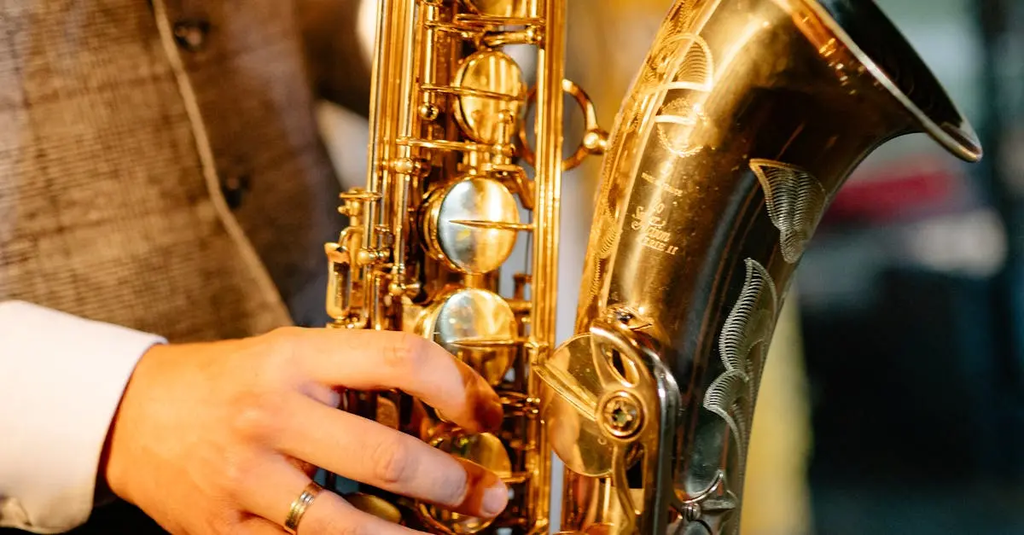
Latin Music Rhythms & Styles encompass a rich variety of musical traditions originating from Latin America and the Caribbean. These include genres like salsa, samba, tango, merengue, and bossa nova, each characterized by unique rhythmic patterns and vibrant instrumentation. Rooted in African, Indigenous, and European influences, Latin music emphasizes syncopation, percussion, and danceable beats, making it a dynamic and influential force in the performing arts and global music scene.
Latin Music Rhythms & Styles
Latin Music Rhythms & Styles encompass a rich variety of musical traditions originating from Latin America and the Caribbean. These include genres like salsa, samba, tango, merengue, and bossa nova, each characterized by unique rhythmic patterns and vibrant instrumentation. Rooted in African, Indigenous, and European influences, Latin music emphasizes syncopation, percussion, and danceable beats, making it a dynamic and influential force in the performing arts and global music scene.

💡 Key Takeaways
- Learn the core Latin rhythms (e.g., clave) and how they organize a groove.
- Identify popular Latin music styles (salsa, merengue, bachata, reggaeton) and their key features.
- Understand how percussion instruments (congas, bongos, timbales, cajón) shape the rhythm and feel.
- Explore how tempo and dance influence rhythm and energy in Latin music.
❓ Frequently Asked Questions
What is the clave and why is it central to Latin rhythms?
The clave is a repeating two-bar pattern (commonly 3-2 or 2-3) that acts as the rhythmic backbone—many Latin grooves align to it, shaping where beats and accents land.
How do salsa, merengue, and bachata rhythms differ in tempo and feel?
Salsa usually has a lively tempo with complex syncopation and a clave pattern; merengue uses a brisk 2/4 beat with strong on-beat accents; bachata is slower, romantic, and guitar-driven with a more intimate groove.
What is montuno in Latin music, and which instrument often plays it?
Montuno is a repeating piano or keyboard groove that drives the groove; it’s also echoed by other chordal instruments in the ensemble.
Name a few Latin dance styles and their regions of origin.
Salsa (Caribbean/NYC influences), Merengue and Bachata (Dominican Republic), Cumbia (Colombia), Samba (Brazil), Cha-cha-cha (Cuba).