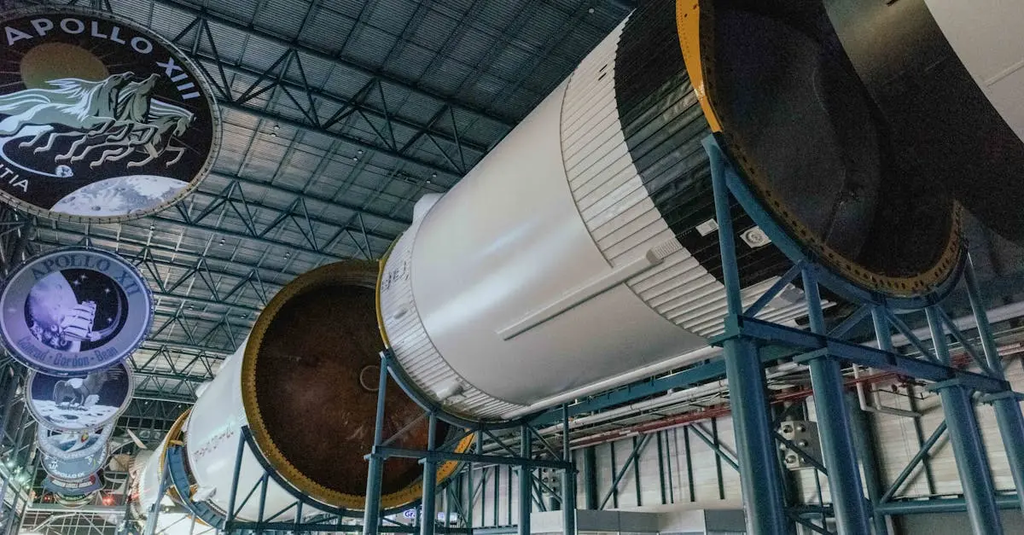
Cape Canaveral and Vandenberg are two major U.S. launch sites crucial for space missions. Cape Canaveral, located in Florida, primarily supports launches to low-Earth and geostationary orbits, benefiting from its proximity to the equator. Vandenberg, situated in California, is ideal for polar and sun-synchronous orbits due to its coastal location, allowing rockets to launch southward over the Pacific Ocean, minimizing risk to populated areas.
Launch Sites: Cape Canaveral and Vandenberg
Cape Canaveral and Vandenberg are two major U.S. launch sites crucial for space missions. Cape Canaveral, located in Florida, primarily supports launches to low-Earth and geostationary orbits, benefiting from its proximity to the equator. Vandenberg, situated in California, is ideal for polar and sun-synchronous orbits due to its coastal location, allowing rockets to launch southward over the Pacific Ocean, minimizing risk to populated areas.

💡 Key Takeaways
- Cape Canaveral (Florida) enables frequent launches to low-Earth orbit (LEO) and geostationary orbit (GEO) due to its proximity to the equator.
- Vandenberg (California) is ideal for polar and sun-synchronous orbits because of its latitude and launch azimuth options.
- Launch-site geography shapes mission design, including orbital inclination, flight path, and safety considerations.
- Together, these sites form the core U.S. launch complex system supporting a wide range of space missions.
❓ Frequently Asked Questions
Where are Cape Canaveral and Vandenberg located?
Cape Canaveral Space Force Station in Florida (Atlantic coast) near the Kennedy Space Center; Vandenberg Space Force Base in California (Pacific coast) near Lompoc.
What orbit types are each site best suited for?
Cape Canaveral primarily supports low-Earth orbit (LEO) and geostationary orbit (GEO) launches; Vandenberg is ideal for polar and sun-synchronous orbits.
Why is Cape Canaveral advantageous for certain launches?
Its proximity to the equator provides a rotational boost from Earth's spin, reducing fuel needs for LEO and GEO missions.
Why is Vandenberg preferred for polar/sun-synchronous missions?
Its west coast location and flight paths over the Pacific allow polar trajectories with minimized overflight of populated land areas.