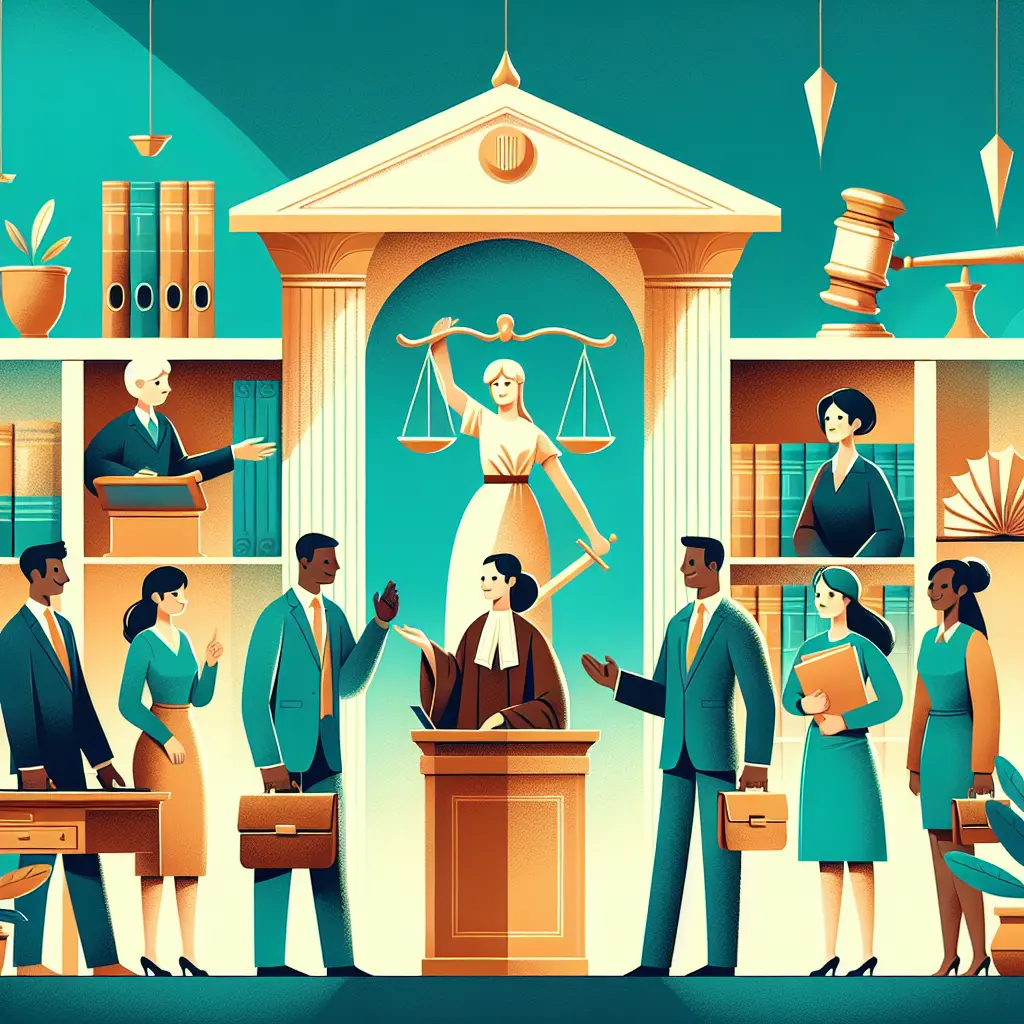
Law enforcement practices refer to the methods, procedures, and protocols used by police and other agencies to maintain public order, prevent crime, and enforce laws. Oversight involves monitoring and reviewing these practices to ensure accountability, transparency, and adherence to legal and ethical standards. Effective oversight can include internal reviews, civilian boards, and independent investigations, all aiming to build public trust, prevent misconduct, and promote fair and just policing.
Law Enforcement Practices & Oversight
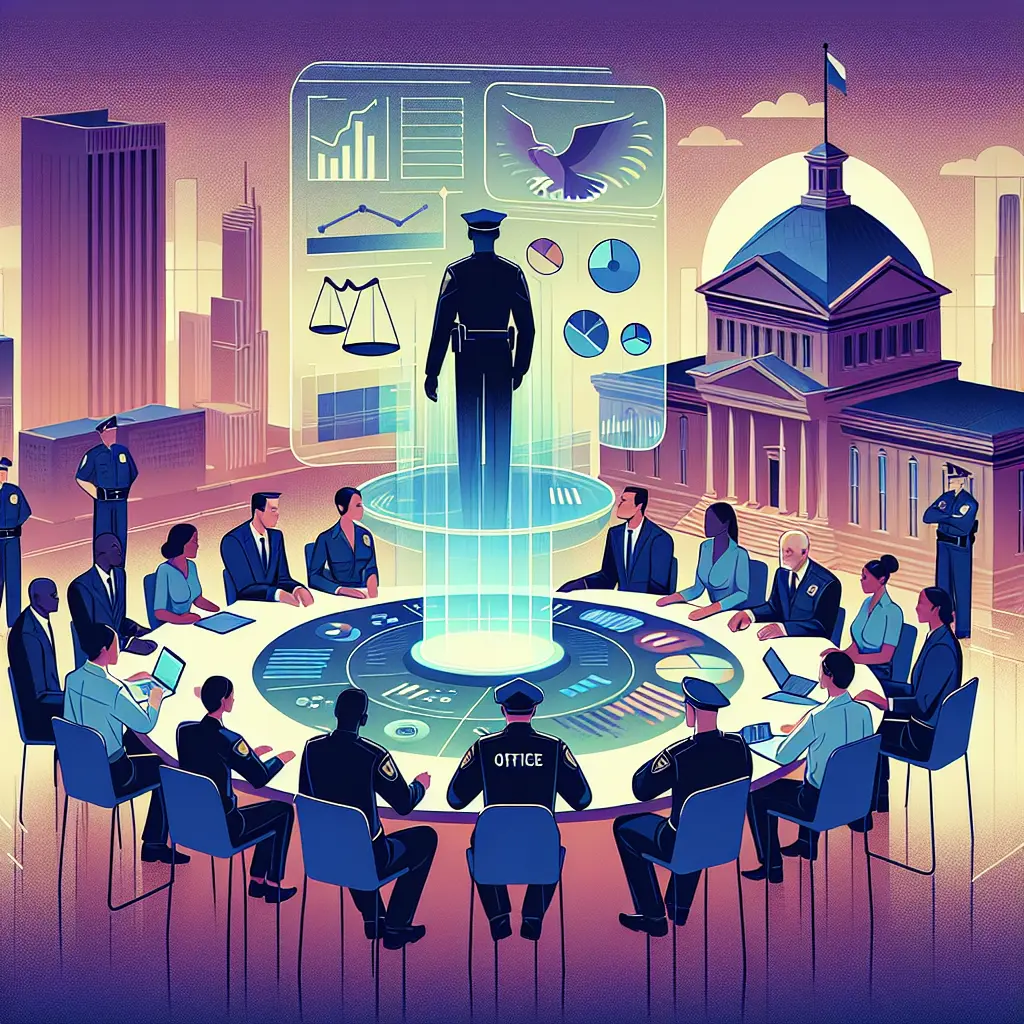
Law enforcement practices refer to the methods, procedures, and protocols used by police and other agencies to maintain public order, prevent crime, and enforce laws. Oversight involves monitoring and reviewing these practices to ensure accountability, transparency, and adherence to legal and ethical standards. Effective oversight can include internal reviews, civilian boards, and independent investigations, all aiming to build public trust, prevent misconduct, and promote fair and just policing.
💡 Key Takeaways
- Identify core law enforcement practices (patrol, investigations, crisis response, and community policing) and how they help prevent crime and enforce laws.
- Describe oversight structures (internal affairs, civilian review boards, independent audits) and how they promote accountability and transparency.
- Explain the legal and ethical standards that govern policing, including constitutional rights and use-of-force guidelines.
- Recognize common accountability tools (body-worn cameras, public dashboards, complaint processes, consent decrees) and their role in monitoring and improving practice.
❓ Frequently Asked Questions
What are law enforcement practices?
Law enforcement practices are the methods and procedures police use to prevent crime, investigate incidents, enforce laws, and maintain public safety (e.g., patrols, investigations, traffic stops, and use-of-force policies).
What is oversight in law enforcement?
Oversight refers to monitoring, reviewing, and evaluating police practices to ensure accountability, legality, and ethical conduct, often through internal affairs, civilian boards, or independent bodies.
Why is transparency important in policing?
Transparency helps build public trust by making actions and outcomes understandable and verifiable, using data, reports, and accessible footage.
What are common oversight mechanisms?
Common mechanisms include internal affairs units, civilian oversight boards, independent investigators, audits, and regular reviews of use-of-force policies.
What rights protect individuals during policing?
Constitutional rights (such as protection against unreasonable searches, the right to due process, and the right to counsel) guide lawful police conduct.