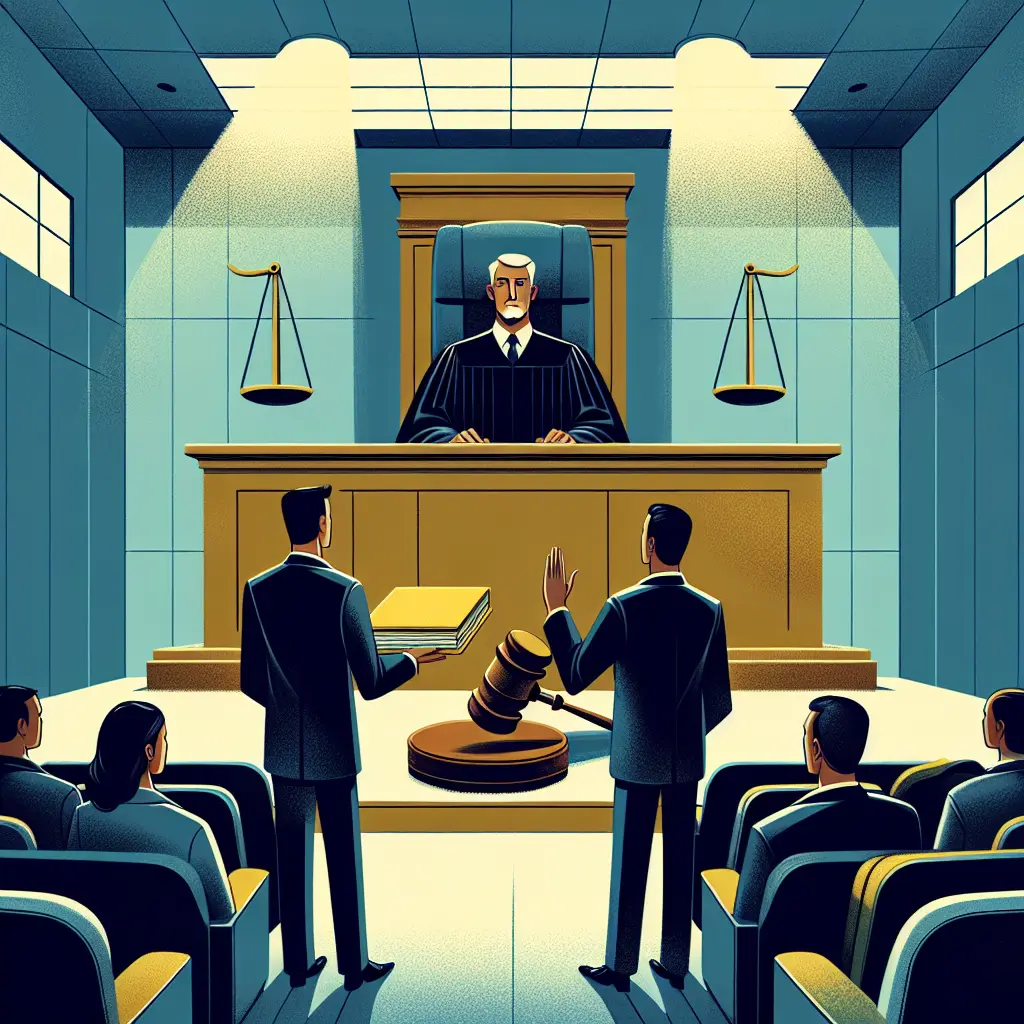
Lawyers and courts are fundamental components of the legal system. Lawyers represent and advise clients on legal matters, advocate in disputes, and help interpret laws. Courts are official institutions where legal cases are heard and decided by judges or juries. Together, lawyers and courts ensure justice is served, protect individual rights, and uphold the rule of law, resolving conflicts through a structured and impartial process.
Lawyers & Courts+50
Lawyers and courts are fundamental components of the legal system. Lawyers represent and advise clients on legal matters, advocate in disputes, and help interpret laws. Courts are official institutions where legal cases are heard and decided by judges or juries. Together, lawyers and courts ensure justice is served, protect individual rights, and uphold the rule of law, resolving conflicts through a structured and impartial process.
💡 Key Takeaways
- Understand how lawyers advise clients, represent them in disputes, and help interpret laws.
- Learn how courts hear cases and make decisions, with judges or juries involved.
- Get a high-level view of a typical legal case from filing to judgment or resolution.
- Identify the roles of lawyers, judges, and juries in the justice system.
❓ Frequently Asked Questions
What is the role of a lawyer?
Lawyers represent and advise clients on legal matters, interpret laws, and advocate for their clients in disputes.
What does a court do?
A court is an official institution where cases are heard, evidence is evaluated, and decisions are made by judges or juries.
Who decides a case in court?
Decisions are made by judges, or by juries in some cases, depending on the type of case and jurisdiction.
What does legal advocacy involve?
Advocacy means presenting and supporting a client's position in negotiations or court, based on laws and facts.
Why are lawyers and courts important?
They interpret and apply laws, protect rights, and resolve disputes to ensure justice and the rule of law.