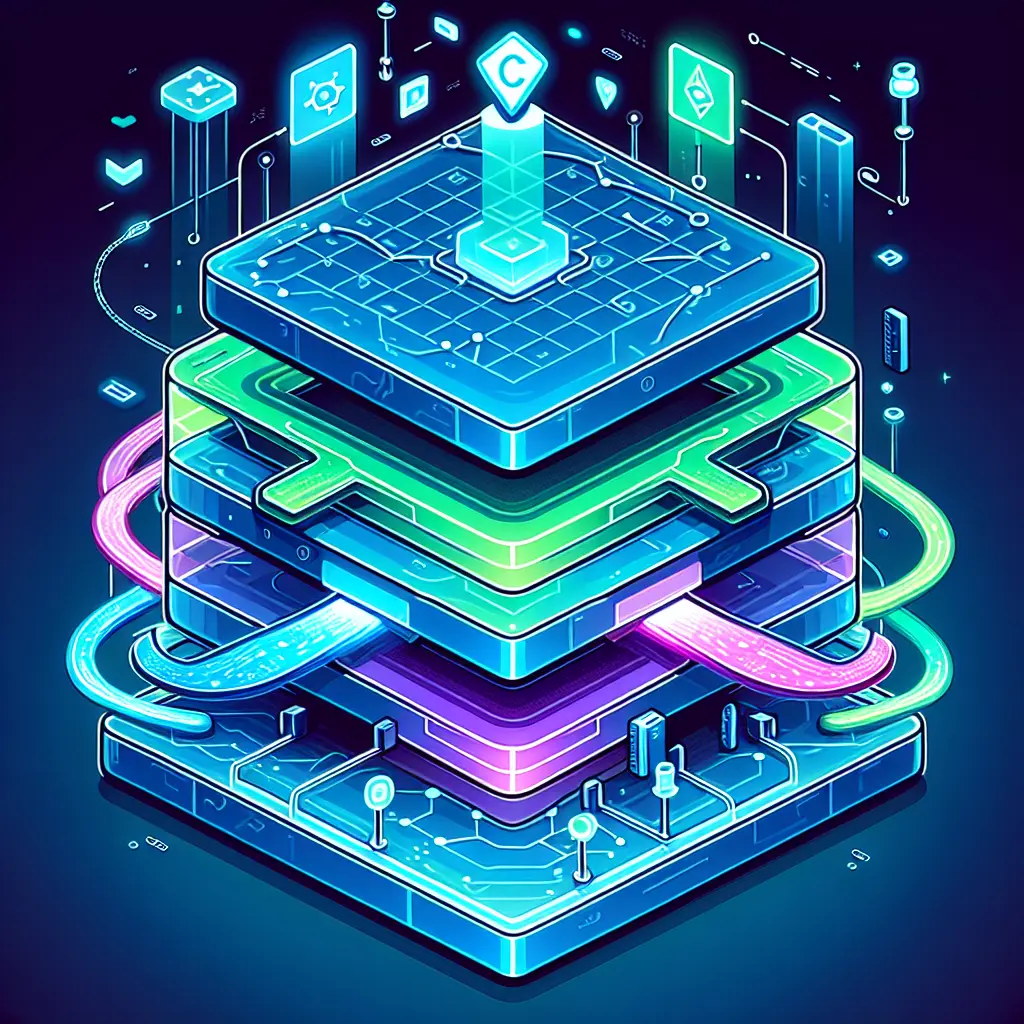
Layer-2 scaling solutions are technologies built on top of a blockchain, like Ethereum, to improve its transaction speed and reduce costs without altering the base protocol. They process transactions off the main chain and periodically report results back to it, helping to alleviate network congestion. Examples include rollups, state channels, and sidechains, all designed to enhance scalability, efficiency, and user experience while maintaining the security of the underlying blockchain.
Layer-2 Scaling Solutions
Layer-2 scaling solutions are technologies built on top of a blockchain, like Ethereum, to improve its transaction speed and reduce costs without altering the base protocol. They process transactions off the main chain and periodically report results back to it, helping to alleviate network congestion. Examples include rollups, state channels, and sidechains, all designed to enhance scalability, efficiency, and user experience while maintaining the security of the underlying blockchain.
💡 Key Takeaways
- Understand what Layer-2 scaling is and why it helps blockchains like Ethereum.
- Learn how off-chain processing and periodic settlement to Layer-1 reduce congestion, speed up transactions, and lower costs.
- Identify common Layer-2 approaches (rollups, sidechains, state channels) and their basic trade-offs.
- Recognize how Layer-2 interacts with Layer-1, including security considerations and asset bridging between layers.
❓ Frequently Asked Questions
What is Layer-2 scaling?
Layer-2 solutions are technologies built on top of a blockchain (Layer-1) to increase transaction speed and reduce costs by processing most transactions off-chain and periodically reporting results back to the main chain.
How do Layer-2 solutions reduce congestion and fees?
They move the majority of activity off the main chain, bundle or validate transactions off-chain, and settle results on the main chain later, lowering on-chain load and gas costs.
What are common Layer-2 approaches?
Rollups (Optimistic and ZK), state channels, and sidechains are common types; rollups process and compress data off-chain and post proofs or data to Layer-1.
How do Layer-2 solutions impact security and finality?
Layer-2s leverage the security of Layer-1; final settlement occurs on Layer-1. Some L2s offer faster local finality, while ultimate security depends on the L2 mechanism (fraud proofs or validity proofs) and data availability on Layer-1.