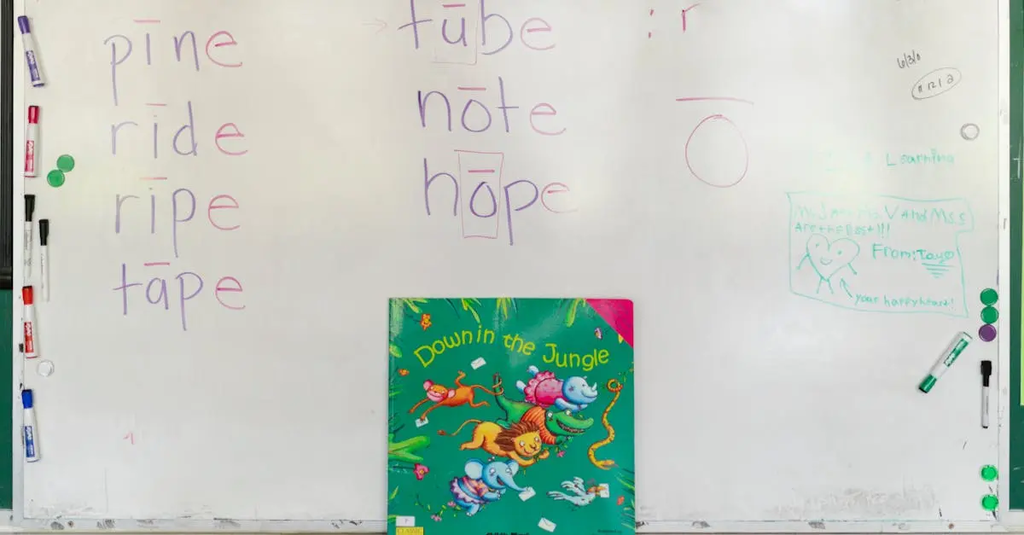
Learning to read involves mastering phonics, fluency, and comprehension, especially during early childhood development (ages 0–10). Phonics teaches children the relationship between letters and sounds, providing the foundation for decoding words. Fluency refers to reading smoothly and accurately, which develops with practice. Comprehension is the ability to understand and interpret the meaning of text. Together, these components support children's overall literacy and academic success as they grow.
Learning to read: phonics, fluency, and comprehension
Learning to read involves mastering phonics, fluency, and comprehension, especially during early childhood development (ages 0–10). Phonics teaches children the relationship between letters and sounds, providing the foundation for decoding words. Fluency refers to reading smoothly and accurately, which develops with practice. Comprehension is the ability to understand and interpret the meaning of text. Together, these components support children's overall literacy and academic success as they grow.
💡 Key Takeaways
- Understand how phonics links letters and sounds to decode words.
- Practice decoding strategies for tackling unfamiliar words.
- Build reading fluency with smoother, more accurate, and expressive reading.
- Apply comprehension strategies such as predicting, summarizing, and asking questions to understand text.
❓ Frequently Asked Questions
What is phonics and why is it important?
Phonics teaches the link between letters and sounds to help learners decode and read words. It supports accurate word recognition and spelling.
What is reading fluency and why does it matter?
Fluency is reading smoothly with appropriate speed and expression. It matters because fluent readers understand more of the text without getting stuck on every word.
How can you improve reading fluency?
Practice with guided oral reading, repeated readings, and modeling fluent reading; focus on phrasing, pace, and expression.
What is reading comprehension and what helps it?
Comprehension is understanding the meaning of what you read. It improves with strategies like predicting, questioning, clarifying, summarizing, and linking to prior knowledge.